The double eccentric butterfly valve is a revolutionary component in modern fluid control systems. Its unique design minimizes friction and enhances sealing capabilities. Understanding its benefits can lead to more efficient operations.
One significant advantage is its ability to handle high pressures. This valve type is ideal for various industries, from water treatment to oil and gas. Additionally, the double eccentric feature reduces wear and tear, leading to longer service life. Installation is often simpler than other valve types.
While these valves offer many benefits, potential drawbacks exist. For instance, the initial cost may seem high. Yet, over time, the savings from reduced maintenance and energy costs make up for it. Each application should be evaluated carefully to ensure the right fit. The double eccentric butterfly valve can greatly improve system performance when used correctly.
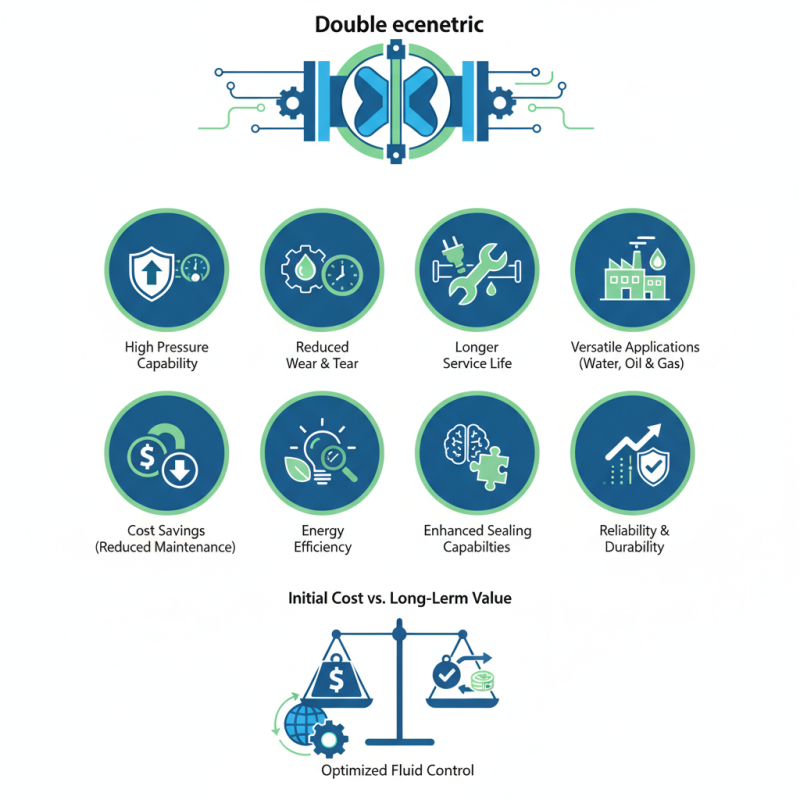
Double eccentric butterfly valves are gaining popularity in various industrial applications due to their unique design. This design minimizes friction and wear during operation. As a result, they often have a longer lifespan compared to traditional valves. They're also easier to operate, which can reduce labor costs. In high-pressure systems, their ability to maintain tight seals is crucial. The double eccentric mechanism allows for smoother disc rotation and prevents disc deformation.
One of the significant advantages of these valves is their efficiency in controlling flow. They provide precise flow regulation, essential in industries like oil and gas. However, improper installation may lead to performance issues. Operators need to ensure alignment and support during mounting. With their lightweight construction, they are easy to transport and install, yet the lightweight feature requires attention to support structures.
Furthermore, double eccentric butterfly valves can handle a wide range of temperatures and pressures. This versatility is valuable, but users should not overlook the potential for thermal expansion complications. Regular maintenance is necessary to avoid any leakage. While these valves operate effectively under various conditions, users must be cautious about the specific application needs. Careful consideration will ensure optimal performance in their intended settings.
The double eccentric butterfly valve offers remarkable advantages in flow control. Its unique design enhances efficiency during operation. This type of valve minimizes turbulence, which leads to smoother fluid dynamics. The double offset allows the disc to pivot away from the seat. As a result, wear on sealing surfaces is reduced.
In practical terms, this means less frequent maintenance. However, some users may overlook the importance of proper installation and alignment. An improperly installed valve can lead to inefficiencies. It's vital to ensure precise calibration for optimal results. The valve’s lightweight design also simplifies handling and installation, but care must be taken to avoid accidental damage.
The double eccentric design caters to various applications. It can handle different temperatures and pressures without compromising performance. However, this versatility often leads to misuse. Some users may push it beyond recommended limits. Understanding the specifications is essential for achieving maximum benefits. Adjustments to pressure settings need careful consideration to maintain efficiency. Thus, while the double eccentric butterfly valve is undeniably effective, it requires an informed approach.
Double eccentric butterfly valves are engineered to enhance sealing mechanisms effectively. Their unique design features an offset disc, which allows for better contact with the seat. This improvement results in a tighter seal, minimizing leakage. Many industries benefit from this design, especially those involving liquids and gases.
The sealing mechanism in these valves is crucial. Traditional butterfly valves often face challenges with wear over time, leading to potential failures. Double eccentric designs mitigate this risk. However, users should be aware of the need for regular maintenance. Neglecting this can lead to seal degradation. An unexpected failure could disrupt operations significantly.
Moreover, while the benefits of improved sealing are clear, the installation process might pose difficulties. Ensuring proper alignment is essential for optimal performance. This requires skilled technicians to avoid common setup mistakes. Despite these challenges, the advantages of double eccentric butterfly valves are undeniable. Their ability to maintain integrity under pressure is vital for many applications.
Double eccentric butterfly valves offer significant advantages in maintenance compared to traditional valve designs. Their unique structure reduces contact between the disc and seat. This minimizes wear and tear, resulting in lower maintenance needs. Industry reports suggest that maintenance costs of these valves can be reduced by up to 30%. This savings can greatly benefit operational budgets.
Many facilities experience frequent downtime due to valve issues. Traditional valves often require more frequent repairs. In contrast, double eccentric designs can function effectively under varying pressures and temperatures. This flexibility makes them suitable for diverse applications. Users often report that valve reliability improves, but not all operations yield the same results. Some still face challenges with installation or initial adjustments.
Moreover, regular inspections are still necessary. While these valves require less maintenance, they are not maintenance-free. The idea that they eliminate all valve-related issues is misleading. Understanding their limitations is crucial for users to achieve optimal performance. Investing in training and awareness can lead to better outcomes over time. The right approach ensures the benefits are fully realized.
Double eccentric butterfly valves are popular for many industrial applications. Their unique design offers notable cost-effectiveness. Unlike traditional valves, these have a distinct seat geometry. This design reduces wear and improves the sealing surface. Operators often find fewer repairs and replacements are needed. This leads to lower overall maintenance costs.
Longevity is another key advantage. These valves can withstand harsh conditions, making them a reliable choice. The double eccentric design minimizes friction during operation. This reduces stress on the valve components over time. However, some users might overlook proper installation. An improper setup can lead to issues that impact longevity. Regular inspections are essential for maintaining performance. Addressing minor problems quickly can prevent larger failures down the line.
| Benefit | Description | Cost-Effectiveness | Longevity |
|---|---|---|---|
| Reduced Torque Requirements | Double eccentric design minimizes friction, allowing for lower operating torque. | Lower energy costs and reduced actuator requirements. | Increased operational efficiency, leading to longer valve life. |
| Tight Sealing | Provides a reliable seal due to its design, minimizing leaks. | Reduced costs associated with leakage and environmental impact. | Longer service life with fewer malfunctions. |
| Versatility | Suitable for a range of applications from water to gas and oil. | Adaptable to various systems, reducing the need for multiple valve types. | Durability allows for extensive application across industries. |
| Lightweight Design | Constructed with fewer materials resulting in a lighter weight. | Easier to handle and install, reducing labor costs. | Less wear and tear on supporting structures. |
| Low Maintenance | Minimal maintenance needs due to robust design. | Lower operational costs through reduced downtime. | Extended service intervals promote longevity. |
| Quick Response Time | Rapid opening and closing capabilities. | Enhances process control and efficiency. | Maintains consistent performance over time. |
| Cost-Effective Manufacturing | Streamlined production methods lower manufacturing costs. | Affordable initial investment for widespread use. | Quality materials enhance longevity at low costs. |
| Corrosion Resistance | Materials used can withstand corrosive environments. | Fewer replacements needed in harsh conditions. | Long-term performance in challenging applications. |
| Low Pressure Drop | Minimized pressure drop at the valve increases system efficiency. | Lower energy consumption across the system. | Promotes durable function over long periods. |
| Environmentally Friendly | Efficient use of materials reduces environmental impact. | Less waste generated from replacements. | Durability contributes to sustainability efforts. |