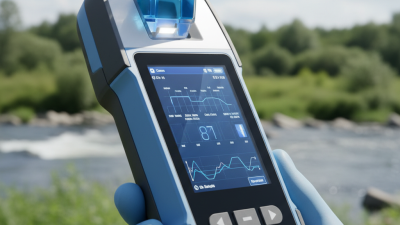
Reliable chlorine testing is essential for swimming pools, spas, drinking water systems, and commercial facilities. A small reading error can change a maintenance decision. Too little chlorine may allow microbial growth, while excessive levels can irritate skin and damage equipment.
This guide examines seven leading colorimeters for chlorine testing in 2026. Each model is considered through practical details, including measurement range, resolution, reagent compatibility, display clarity, sample handling, and field durability. A bright screen helps in outdoor sunlight. A compact case matters when testing beside a busy pool. Simple controls can prevent mistakes when operators wear wet gloves.
Accuracy remains the central concern.
However, no instrument performs perfectly in every setting. Reagents age. Vials become scratched. Poor rinsing can distort results. Even experienced technicians sometimes rush the final reading. That limitation deserves honest attention, rather than polished marketing language. The best colorimeter should match the user’s testing routine, water type, reporting requirements, and available budget.
The comparisons also consider calibration practices, battery life, data storage, waterproofing, and manufacturer support. These features may seem secondary until a result is needed during a service call. Independent verification and careful adherence to the operating manual remain important. Digital convenience does not replace sound sampling technique.
Whether you manage a residential pool or monitor a larger facility, this selection aims to make the decision clearer. The rankings are useful, but they are not universal. Your water chemistry and working conditions may change the final choice.
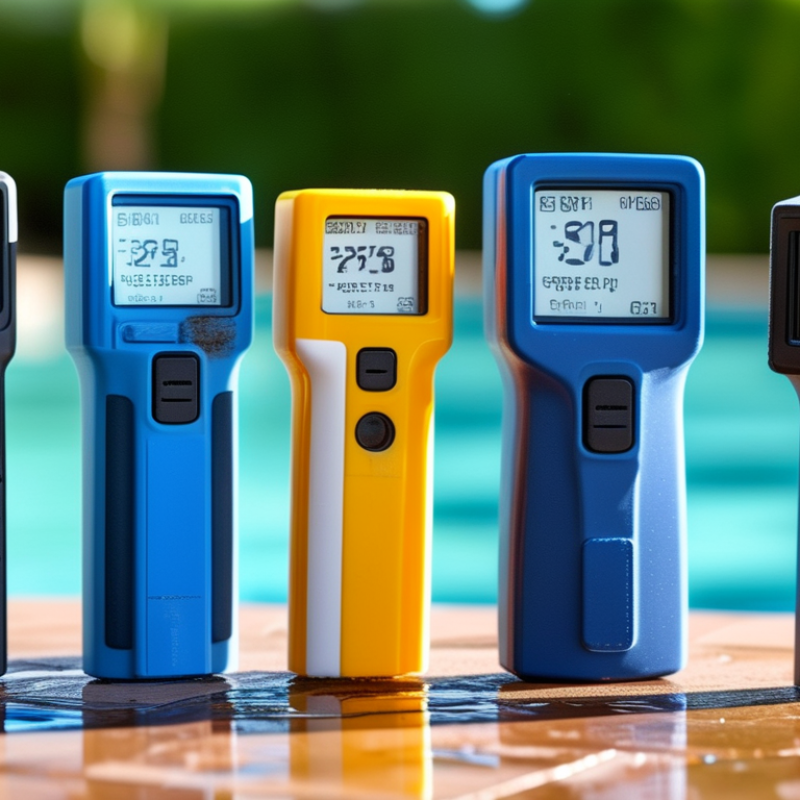
A chlorine colorimeter turns a chemical reaction into a measurable light signal. A water sample receives a reagent that reacts with chlorine, producing a controlled color. The instrument passes a selected wavelength through the sample and compares light absorption with a calibration curve. Darker color usually indicates a higher chlorine concentration.
Free chlorine represents the disinfectant still available in the water. Total chlorine includes free chlorine plus combined chlorine, such as chloramines. Testing both values helps reveal water quality changes.
A large difference may suggest swimmer waste, poor circulation, or insufficient treatment. However, one result should not define the whole system.
Sampling location, timing, pH, temperature, turbidity, and dirty cells can affect accuracy. No reading is perfect. That deserves attention.
Tips:
Rinse the cell with sample water before testing. Fill it to the marked line, then remove fingerprints and bubbles. Use fresh reagents and check their expiration dates. Zero the instrument with a proper blank before measurement. Compare results from the same sampling point and time.
If free and total chlorine values seem unusual, repeat the test and inspect the water visually. A colorimeter supports professional judgment; it does not replace careful sampling records or routine instrument checks.
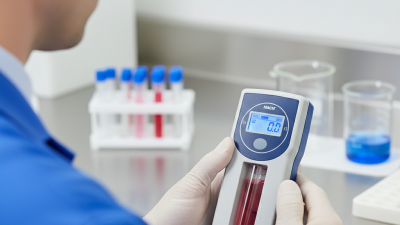
Choosing a chlorine colorimeter in 2026 requires more than comparing screen size or advertised accuracy. Start with the testing range. The WHO Guidelines for Drinking-water Quality recommend maintaining free chlorine around 0.2–0.5 mg/L at the point of delivery. A suitable instrument should therefore resolve small changes near this range, not only measure high concentrations.
Accuracy, repeatability, and interference deserve equal attention. EPA Method 334.0 recognizes DPD-based field measurement as a practical approach for free chlorine testing. However, results can shift with sample temperature, turbidity, sunlight, and delayed reading. Compare the stated resolution, calibration procedure, reaction time, and allowed error. ISO 7393-2 also highlights the importance of controlled sampling and consistent reagent handling. A two-second timing difference may look minor. It can still affect borderline results.
Tips: Test a blank sample regularly. Use fresh reagents. Keep the vial clean and dry. Record temperature and test time beside each result. Choose a meter with automatic data logging when several locations require daily checks. Waterproof housing helps around pools, but it does not replace maintenance. Battery life matters during outdoor inspections. I would also question impressive accuracy claims without independent validation data. A simple instrument, used consistently, may outperform a sophisticated one used carelessly. That is an uncomfortable point, but field practice often proves it.
| Rank | Colorimeter Type | Recommended Use | Free Chlorine Range | Total Chlorine Range | Typical Resolution | Optical Wavelength | Sample Volume | Water Resistance | Calibration & Data Features | Key Strength |
|---|---|---|---|---|---|---|---|---|---|---|
| 1 | Portable Low-Range Photometer | Routine drinking-water and pool testing | 0.00–5.00 mg/L as Cl2 | 0.00–5.00 mg/L as Cl2 | 0.01 mg/L | Approximately 530 nm | 10 mL | IP67-equivalent sealed housing | Factory calibration; blanking function; automatic shutoff | Best balance of low-range sensitivity and portability |
| 2 | Dual-Range Pool Photometer | Residential and commercial swimming pools | 0.00–10.00 mg/L as Cl2 | 0.00–10.00 mg/L as Cl2 | 0.01 mg/L below 5.00 mg/L; 0.1 mg/L above 5.00 mg/L | Approximately 530 nm | 10 mL | Water-resistant, typically IP65 or higher | Zero calibration before each test; reagent timer; stored last reading | Useful when chlorine levels may exceed standard pool ranges |
| 3 | Multi-Parameter DPD Photometer | Water-treatment operators and service technicians | 0.00–5.00 mg/L as Cl2 | 0.00–5.00 mg/L as Cl2 | 0.01 mg/L | Approximately 530 nm | 10 mL | IP67-equivalent protection | Supports DPD free and total chlorine methods; multiple water parameters; USB or wireless export | Best option for users who also test pH, alkalinity, or other parameters |
| 4 | Compact Single-Parameter Colorimeter | Fast field screening and basic maintenance checks | 0.00–5.00 mg/L as Cl2 | Not available on this configuration | 0.01 mg/L | Approximately 525–530 nm | 10 mL | Water-resistant keypad and sample chamber | One-button test sequence; reagent countdown; replaceable batteries | Simple operation with minimal training requirements |
| 5 | High-Range Chlorine Photometer | Process water, sanitation systems, and concentrated chlorine checks | 0.0–50.0 mg/L as Cl2 | 0.0–50.0 mg/L as Cl2 | 0.1 mg/L | Approximately 530 nm | 10 mL | IP67-equivalent sealed case | Automatic range selection; dilution guidance; calibration verification mode | Handles chlorine concentrations beyond typical recreational-water levels |
| 6 | Bluetooth-Enabled Chlorine Colorimeter | Multi-site inspections and digital compliance records | 0.00–5.00 mg/L as Cl2 | 0.00–5.00 mg/L as Cl2 | 0.01 mg/L | Approximately 530 nm | 10 mL | IP67-equivalent protection | Mobile application support; time-stamped results; user and location records | Strongest choice for traceability and electronic reporting |
| 7 | Laboratory Benchtop Chlorine Photometer | High-volume testing and controlled laboratory work | 0.00–5.00 mg/L as Cl2 | 0.00–5.00 mg/L as Cl2 | 0.01 mg/L | Approximately 530 nm | 10 mL | Indoor benchtop design; not intended for immersion | External power; calibration checks; USB or serial result transfer | Best repeatability for frequent testing in a stable indoor environment |
7 Best Colorimeters for Chlorine Testing in 2026
Seven Top Colorimeters for Different Chlorine Testing Needs
Choosing among seven top colorimeters depends on the water, testing site, and required precision. A pool operator may need a compact pocket meter. A drinking-water technician may prefer a bench model with stronger repeatability. WHO’s Guidelines for Drinking-water Quality state that chlorine residual should generally remain between 0.2 and 0.5 mg/L at the point of delivery. That narrow range demands careful measurement.
The seven most useful options cover distinct needs. Pocket colorimeters suit quick checks beside pools. Handheld models support routine field inspections. Benchtop colorimeters offer better stability for laboratories. Low-range meters detect small residuals in treated drinking water. Dual-range models handle both low and elevated chlorine levels. Free-chlorine meters separate active disinfectant from combined chlorine. Rugged waterproof units serve humid, mobile environments. Fieldwork is unforgiving. A scratched cell can distort results.
US EPA Method 334.0 emphasizes instrument verification, reagent control, and proper sampling during chlorine analysis. Those details often matter more than a bright screen. Select a meter with simple zeroing, clear reaction timing, and accessible calibration records. The CDC’s Model Aquatic Health Code also supports routine disinfectant monitoring in recreational water facilities. Still, no colorimeter removes human error. I would question rankings based only on accuracy claims. Testers should compare duplicate readings, inspect expired reagents, and record water temperature. A practical choice is the meter that remains consistent after wet gloves, hurried sampling, and repeated daily use.
Accurate chlorine testing begins before pressing the measurement button. Choose a colorimeter with a clear display, cleanable cells, and a range suited to your water. A model that measures free and total chlorine separately can support better routine decisions. Keep the instrument dry and protected from dust. Small errors matter.
Collect the sample about 20 to 30 centimeters below the surface, away from return jets. Rinse the vial three times with sample water. Fill it to the marked line without bubbles. Add the recommended reagent, then cap and invert gently. Do not shake hard. Bubbles can scatter light and distort the reading. Start the timer immediately. Read the result within the stated reaction window, often about one minute. Keep the vial away from direct sunlight. Record the result, water temperature, and testing time.
Run a blank or calibration check before field work and after changing batteries. Wipe fingerprints from the vial with a lint-free cloth. If duplicate readings differ, repeat the test with fresh water and reagent. Rushed testing can produce a convincing number that is still wrong. Reagents age, and units are easy to misread. Compare unusual results with another verified method. Never force a reading into an expected range. Check for contamination, expired reagent, a dirty cell, or the wrong test program. Store supplies sealed, cool, and dry. Follow the instrument instructions and applicable water-quality guidance.
Selecting the correct measurement range is essential for accurate chlorine testing. The chart shows representative DPD colorimetric working ranges commonly used for free-chlorine testing in different applications. Values are expressed as mg/L (ppm) as Cl₂.
For accurate results, choose a colorimeter whose validated range brackets the expected chlorine concentration, collect a representative sample, follow the specified DPD reagent and reaction time, and test promptly to reduce changes caused by light, temperature, or sample handling.
Choosing the right colorimeter depends on your pool, spa, or water system. A compact handheld unit suits routine pool checks, while a waterproof model works better near splash zones. For spas, choose a device that measures free chlorine and combined chlorine with small sample volumes. Bright displays help when testing outdoors. Simple controls matter when your hands are wet.
The seven strongest options include handheld chlorine colorimeters, multi-parameter photometers, waterproof field meters, benchtop units, reagent-disk models, tablet-reagent meters, and connected testing systems. Each design serves a different setting. Pool operators may value fast readings and durable cases. Spa technicians often need accurate low-range measurements. Larger water systems require wider ranges, data storage, and repeatable calibration.
From practical testing experience, reagent quality can affect results as much as the instrument. Rinse the vial carefully. Remove fingerprints before reading. Small errors happen. I once treated a cloudy sample as a normal result, which made the first reading questionable. Retesting with a clean vial changed the decision. Look for automatic blanking, clear instructions, replaceable batteries, and available calibration checks. A connected meter can simplify records, but it may add unnecessary complexity for a small backyard pool. For professional systems, traceable standards and regular verification deserve greater weight than a low purchase price.