How to Choose the Best Conductivity Meter for Water Testing Techniques
When it comes to ensuring water quality, one essential tool stands out: the conductivity meter for water testing. This instrument measures the ability of water to conduct electrical current, which is directly related to the concentration of dissolved ions such as salts and minerals. With the increasing emphasis on environmental monitoring and public health, choosing the right conductivity meter has become crucial for professionals and enthusiasts alike who seek accurate and reliable results.
In selecting the best conductivity meter for water testing, several factors must be considered. These include measurement range, accuracy, ease of use, and portability. Additionally, understanding the specific application—whether it be for aquaculture, hydroponics, or general water quality testing—can significantly influence the choice of meter. The variety of options available can be overwhelming, yet making an informed decision based on technical specifications and user requirements will lead to more effective water testing.
Ultimately, a well-chosen conductivity meter for water testing not only enhances the efficiency of your measurements but also contributes to better water management practices. By understanding the key features and functionalities of various meters, users can ensure that they invest in a device that meets their specific needs, leading to improved outcomes in monitoring and maintaining water quality.
Understanding Conductivity Meters and Their Importance in Water Testing
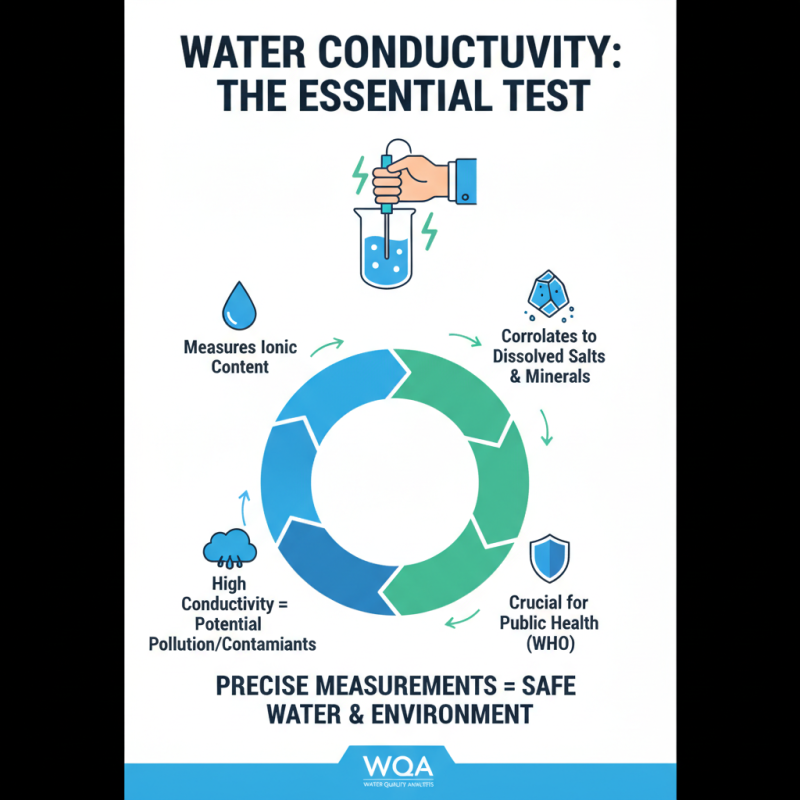
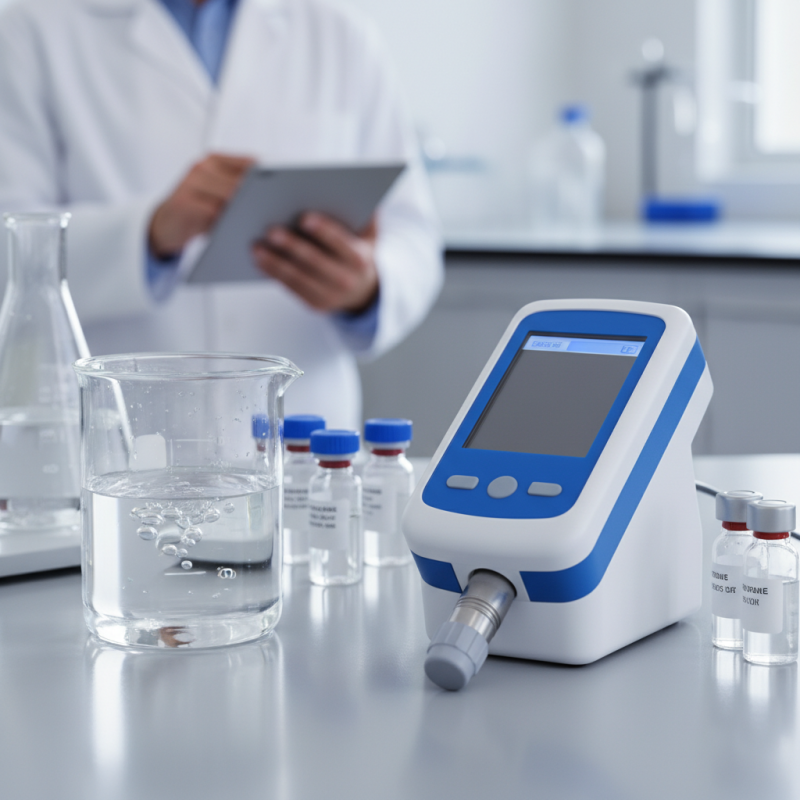
Conductivity meters are essential tools in water testing, providing crucial data about the ionic content of water. These instruments measure the ability of water to conduct electric current, which correlates with the concentration of dissolved salts and minerals. According to a report by the World Health Organization, maintaining optimal conductivity levels in drinking water is vital for public health. Water with excessively high conductivity can indicate pollution or the presence of harmful contaminants, making precise measurements critical for environmental monitoring and quality assessments.
When selecting a conductivity meter, it's important to consider its accuracy, range, and calibration features. Opt for a model that meets the specific requirements of your testing environment. For example, a meter with a wider range may be more suitable for brackish water or wastewater, whereas a more precise meter would be necessary for laboratory settings. Additionally, ensure that the device is easy to calibrate, as regular calibration is essential for maintaining accuracy in measurements.
**Tip:** Always check the specifications of your conductivity meter against industry standards for water quality. Regularly cross-reference your readings with established benchmarks to ensure your data remains reliable.
**Tip:** Consider investing in a meter with temperature compensation features, as conductivity can vary with temperature changes, impacting your readings significantly. This feature ensures that your measurements are accurate across different environmental conditions.
Key Features to Consider When Selecting a Conductivity Meter
When selecting a conductivity meter for water testing, there are several key features that should be carefully evaluated to ensure you choose the best device for your needs. First, consider the measurement range of the meter. A suitable conductivity meter should provide a wide range of measurement scales, as water testing can vary significantly based on the source and intended purpose. Meters with adjustable ranges enable more precise readings across different types of water, from distilled to seawater.
Another critical aspect is the accuracy and precision of the meter. Look for devices that offer low margins of error and consistent performance across multiple tests. Factors such as temperature compensation are also essential, as conductivity can be influenced by temperature changes. Many modern meters come equipped with automatic temperature compensation features, ensuring accurate readings regardless of environmental conditions.
Additionally, consider the ease of use, including display readability, user interface, and portability. A user-friendly design facilitates efficient data capture and analysis, making the testing process more effective in the long run.
Types of Conductivity Meters and Their Appropriate Uses
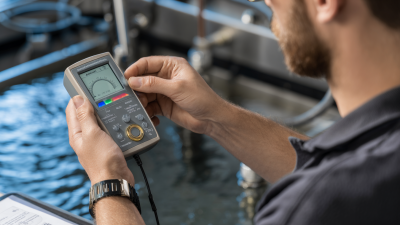
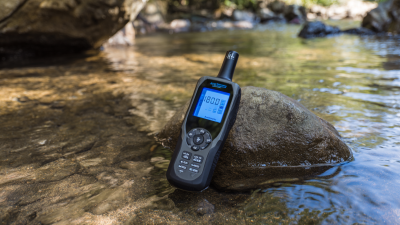
When selecting a conductivity meter for water testing, it's crucial to understand the different types available and their specific applications. The two main types of conductivity meters are handheld and benchtop meters. Handheld meters are portable and ideal for fieldwork, allowing for quick measurements in various locations. They are particularly useful for environmental monitoring, aquaculture, and water quality assessments. On the other hand, benchtop meters offer higher accuracy and are suited for laboratory settings, where precise and repeatable measurements are required, such as in research and quality control processes.
When choosing a conductivity meter, consider the measurement range, as different applications often require different levels of conductivity detection. Additionally, look for features such as temperature compensation, which is essential for obtaining accurate readings, especially in fluctuating environmental conditions.
Tips: Always ensure that the electrode of the conductivity meter is clean and calibrated before use to maintain measurement accuracy. It's also beneficial to select a meter that allows for easy data logging, especially if you're conducting lengthy studies or regular monitoring.
Calibration and Maintenance Tips for Accurate Water Testing
Calibration and maintenance are crucial for ensuring the accuracy and reliability of conductivity meters used in water testing. Regular calibration against known standards helps to verify the precision of your meter and identify any drift in the readings. Ideally, conductivity meters should be calibrated before each use or at specified intervals if used in a consistent environment. Make sure to follow the manufacturer’s instructions for the calibration process, using appropriate calibration solutions that closely match the conductivity range of the samples being tested.
In addition to regular calibration, proper maintenance is essential for extending the lifespan of your conductivity meter. Always store the meter in a clean, dry place and protect it from extreme temperatures. Rinse the probe with distilled water after each use to prevent buildup of contaminants that can affect accuracy. It's also advisable to perform routine checks on the probe for signs of wear or damage, replacing it if necessary to maintain accurate readings. By incorporating these tips into your maintenance routine, you can ensure that your conductivity meter remains a reliable tool for water testing.
Comparing Brands and Models: Making an Informed Decision
When selecting the best conductivity meter for water testing, it's crucial to evaluate various models and brands in order to make an informed decision. According to a recent report by the Water Quality Association (WQA), the performance of conductivity meters can vary significantly based on calibration standards, temperature compensation, and electrode materials. For instance, devices equipped with automatic temperature compensation (ATC) can provide more accurate readings across a range of temperatures, a feature highlighted in studies indicating that water temperature can influence conductivity measurements by up to 2% per degree Celsius.
Another vital aspect is the construction quality of the probes; research by the International Society of Water Quality (ISWQ) points out that meters using high-grade materials, such as graphite electrodes, tend to deliver superior longevity and stability. Additionally, the complexity of the measurement range should be considered, especially for specific applications such as aquaculture or hydroponics, where precise conductivity readings—often within a narrow scale—are necessary for optimal results. It’s advisable to look for models that offer comprehensive functionalities tailored to particular water testing requirements, ensuring they can accommodate both low and high conductivity samples, leading to more versatile and reliable usage in diverse environments.
Comparison of Conductivity Meters for Water Testing
This chart displays the conductivity levels measured in microsiemens per centimeter (µS/cm) for five different water conductivity meter models. This data can help users compare performance and make an informed decision when selecting a conductivity meter for water testing techniques.