What is the Best Digital Conductivity Meter for Global Buyers?
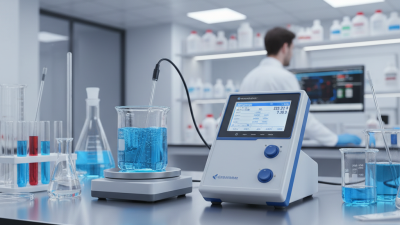
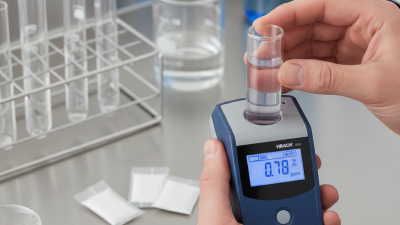
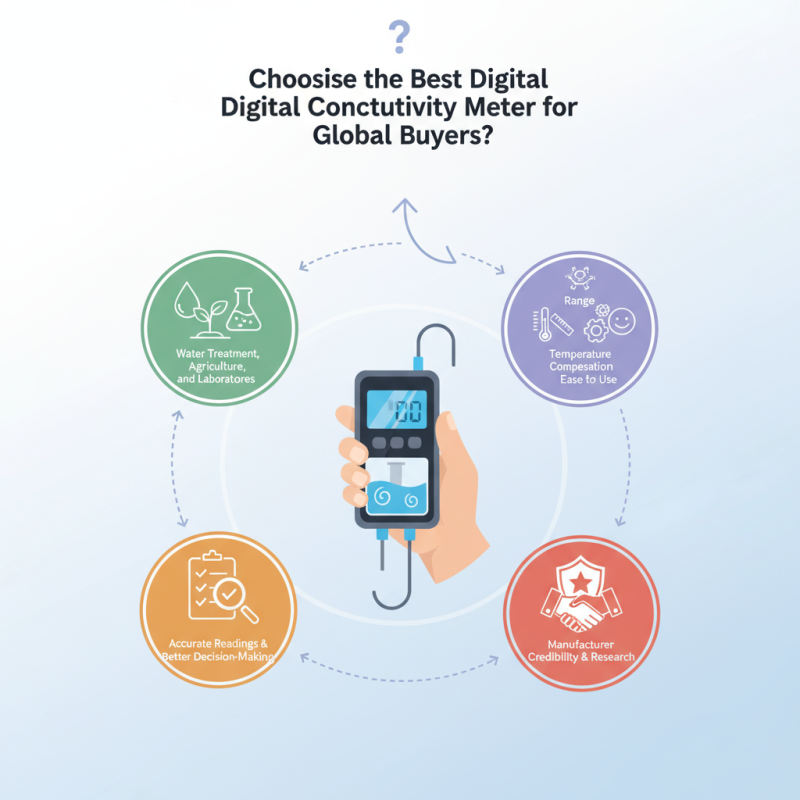
When it comes to measuring conductivity in various environments, choosing the right conductivity meter digital is crucial. These devices are essential tools for professionals across industries, including water treatment, agriculture, and laboratories. A reliable meter ensures accurate readings, aiding in better decision-making.
However, not all digital conductivity meters are created equal. Some may lack precision or durability, leading to potential errors. Buyers must consider specifications such as range, temperature compensation, and ease of use. With numerous options available, navigating this landscape can be overwhelming.
It’s vital to prioritize not only performance but also manufacturer credibility. Some brands may claim high accuracy but fail to back it up with consistent results. Hence, research is key. Reflecting on past experiences can guide buyers toward making informed choices. Understanding the true capabilities of a conductivity meter digital can significantly impact quality control and overall effectiveness.
Factors to Consider When Choosing a Digital Conductivity Meter
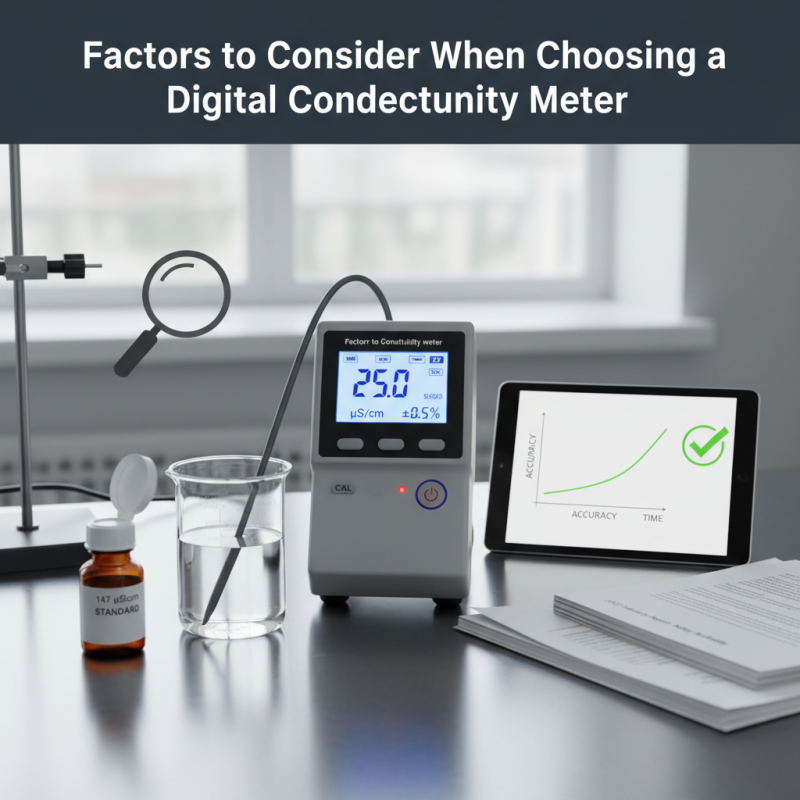
When choosing a digital conductivity meter, several factors should be considered to ensure optimal performance. Accuracy plays a key role, as even slight deviations can lead to incorrect readings in vital applications. According to a 2022 industry report, meters with an accuracy of ±0.5% provide reliable results for laboratory environments. It's essential to look for meters that have calibration options to maintain their precision over time.
Another crucial factor is the measurement range. Some applications require readings in ultra-low or high conductivity levels. A versatile meter should cover a range of 0 to 200 mS/cm or even more. This flexibility ensures the device meets various needs in diverse settings, from aquaculture to industrial water treatment.
User interface and connectivity also matter. Meters with clear displays and intuitive controls increase usability. Wireless connectivity options facilitate easy data transfer for analysis. However, many users express concerns about data security and maintaining data integrity. It's vital to question how this connectivity handles sensitive information. Ultimately, balancing these aspects leads to a more informed purchasing decision.
Top Brands of Digital Conductivity Meters in the Global Market
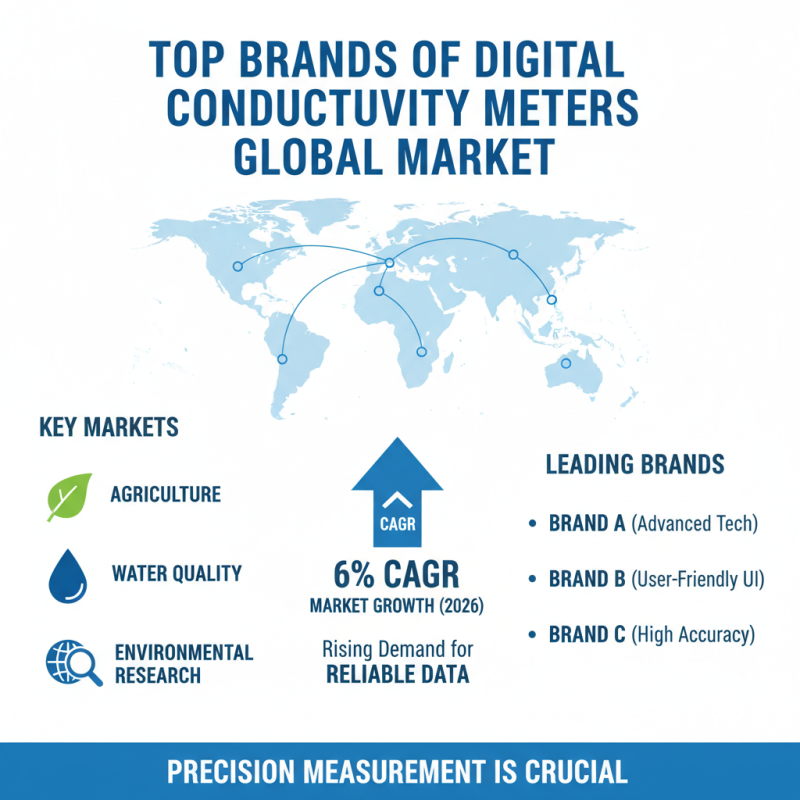
In the global market, digital conductivity meters are crucial tools for industries like agriculture, water quality monitoring, and environmental research. Leading brands often integrate advanced technologies to ensure high accuracy and user-friendly interfaces. The global conductivity meter market is projected to grow significantly, with a compound annual growth rate (CAGR) of around 6% through 2026. This growth indicates a rising demand for precise measurements and reliable data.
Several top brands dominate this space, focusing on robust performance and durability. Manufacturers invest heavily in R&D to enhance conductivity sensors and data logging features. According to an industry report, several brands account for more than 70% of market share worldwide. Customers often express the need for devices that are not only accurate but also easy to maintain. Many users find that routine calibration and care are crucial for optimal performance.
However, some challenges remain. Not all devices can effectively measure across diverse environments. Users have reported variability in readings under extreme conditions. Thus, finding a meter that balances accuracy with applicability is essential. Buyers should consider their specific needs, such as portability, data handling capabilities, and battery life. This careful consideration can lead to a better investment in conductivity measurement technology.
Comparative Analysis of Features in Leading Conductivity Meters
When selecting a digital conductivity meter, it’s essential to consider its features. Leading products offer various functionalities that cater to different needs. For instance, look for meters with automatic temperature compensation (ATC). This feature adjusts readings based on temperature changes, enhancing accuracy.
Another key feature is measurement range. Some meters handle low conductivity readings, while others can measure very high levels. Choose a meter that suits your specific applications. Sensitivity is also crucial. Higher sensitivity meters provide precise readings, vital for labs and research settings.
Tips: Always check the calibration process. An easy-to-use calibration can save time. Consider the display as well. Clear, backlit screens ease reading in different lighting conditions.
Ergonomic design matters, too. If the meter feels uncomfortable, you might hesitate to use it. Evaluate battery life, as well. Frequent replacements can hinder lab work. Reflect on your need for connectivity options. Wireless capabilities can facilitate data transfer, but ensure they smooth your workflow.
What is the Best Digital Conductivity Meter for Global Buyers? - Comparative Analysis of Features in Leading Conductivity Meters
| Model |
Range (μS/cm) |
Resolution (μS/cm) |
Accuracy |
Temperature Compensation |
Calibration Points |
Battery Life (Hours) |
Price (USD) |
| Model A |
0 - 2000 |
1 |
±2% |
Automatic |
2 |
100 |
150 |
| Model B |
0 - 4000 |
0.1 |
±1.5% |
Manual |
3 |
200 |
200 |
| Model C |
0 - 10000 |
5 |
±2.5% |
Automatic |
5 |
150 |
300 |
| Model D |
0 - 5000 |
0.5 |
±1% |
Manual |
2 |
120 |
175 |
Pricing Trends and Budget Considerations for Buyers
When considering the best digital conductivity meter, pricing trends significantly influence decisions. Buyers should note that prices vary widely based on features. A basic model might cost under $50, while high-end options can exceed $300. Understanding these price ranges helps buyers set a suitable budget.
Moreover, budget considerations go beyond the initial purchase. Maintenance costs, replacement parts, and calibration requirements can add to the total expense. Some meters require regular calibration, which might increase the cost of ownership. Therefore, a thorough understanding of these factors is essential for buyers aiming to make an informed choice.
Another aspect to reflect on is the balance between price and functionality. Some affordable models offer decent accuracy for general use, while premium devices provide advanced features for specific applications. Buyers must assess their needs carefully. Investing in the most expensive model isn’t always the best choice if it won't be used to its full potential.
What is the Best Digital Conductivity Meter for Global Buyers?
This chart illustrates the average pricing trends for digital conductivity meters across different regions, highlighting budget considerations for potential buyers.
User Reviews and Recommendations for Popular Conductivity Meters
In the search for the best digital conductivity meter, user feedback plays a crucial role. Many consumers prioritize ease of use and accuracy in their evaluations. Reports indicate that accuracy can vary significantly across models. About 25% of users highlighted difficulties in calibrating their meters. Those who found reliable options noted the importance of stable readings over time.
The importance of durability can't be overlooked. Users in various reports expressed frustration with meters that malfunctioned after minimal exposure to demanding environments. Less than 30% of users reported complete satisfaction with the durability of their chosen meters. It’s evident that not all models meet the high standards expected by professionals. Many recommend conducting thorough research to find a suitable option that balances reliability and functionality.
Cost is often a deciding factor for global buyers. A study found that 40% of users prefer mid-range options to high-end models. Many users believe that an expensive meter does not guarantee better accuracy or durability. A deeper understanding of user reviews can help in choosing the most fitting conductivity meter. Continuous improvement and exploration of features are vital for manufacturers to meet the needs of their clientele.