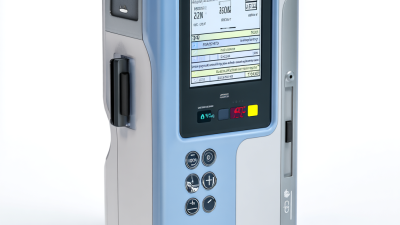
The Best Free Chlorine Colorimeter: Top Picks for Accurate Water Testing
In the realm of water quality testing, ensuring accurate measurement of free chlorine levels is crucial for both safety and compliance. A leading expert in the field, Dr. Nancy Walker, a prominent water quality researcher, emphasizes that "having a precise free chlorine colorimeter is essential for maintaining safe water environments." This sentiment resonates particularly in today’s context, where water safety is more critical than ever.
The best free chlorine colorimeters facilitate precise analytical results, helping users make informed decisions about water treatment processes. These devices not only cater to professionals in laboratories but are also accessible for home users keen on monitoring their swimming pools, aquariums, or drinking water sources. With a myriad of options available in the market, understanding the features and benefits of the top picks can significantly influence the effectiveness of water testing efforts.
As we delve into the best free chlorine colorimeters, we aim to highlight tools that offer both reliability and affordability, ensuring that accurate water testing is within reach for everyone. Whether you're a seasoned professional or a beginner, investing in the right free chlorine colorimeter can enhance your ability to maintain optimal water quality.

Understanding Free Chlorine and Its Importance in Water Quality
Free chlorine is a crucial component in maintaining safe and high-quality water, particularly in swimming pools and drinking water systems. According to the World Health Organization (WHO), maintaining a free chlorine concentration of 1 to 3 mg/L in drinking water is essential for effective pathogen control. This helps to ensure the water is free from harmful microorganisms that can lead to waterborne diseases. Effective monitoring of free chlorine levels is vital, as inadequate levels can lead to contamination, while excessive levels can result in adverse health effects.
Testing for free chlorine concentrations allows water quality managers to evaluate treatment processes and ensure compliance with health regulations. The United States Environmental Protection Agency (EPA) recommends regular testing to monitor chlorine levels, as fluctuations can occur due to changes in water chemistry, temperature, and sunlight exposure. Accurate measurements of free chlorine are not only essential for public health but also play a role in optimizing the use of chemicals in water treatment processes, thereby promoting environmental sustainability. The right free chlorine colorimeter can provide precise readings, facilitating better management of water quality and ensuring the safety of consumers.
Criteria for Selecting the Best Free Chlorine Colorimeter
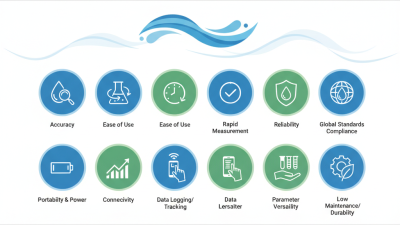
When selecting the best free chlorine colorimeter for accurate water testing, there are several critical criteria to consider. Firstly, sensitivity and accuracy are paramount. A device that can accurately measure low levels of chlorine is ideal, as it ensures reliable results in various water samples. Look for colorimeters that have been calibrated against reliable standards and offer a wide measurement range, allowing for versatility in testing different water sources.
Another important factor is the ease of use. The best colorimeter should feature a user-friendly interface, with clear instructions and quick response times. Ergonomic designs that fit comfortably in hand and lightweight construction enhance portability, making it easier to conduct tests in different locations. Additionally, durability and ease of maintenance are crucial for ensuring the longevity of the device. Waterproof designs and robust materials can withstand the rigors of frequent use in diverse environments, leading to reliable performance over time.
The Best Free Chlorine Colorimeter: Top Picks for Accurate Water Testing
| Model |
Measurement Range |
Accuracy |
Battery Life |
Price Range |
| Model A |
0-10 mg/L |
±0.01 mg/L |
200 tests |
$50 - $70 |
| Model B |
0-5 mg/L |
±0.02 mg/L |
100 tests |
$30 - $50 |
| Model C |
0-15 mg/L |
±0.01 mg/L |
300 tests |
$60 - $90 |
| Model D |
0-2 mg/L |
±0.01 mg/L |
150 tests |
$40 - $60 |
Top Picks for Free Chlorine Colorimeters: Features and Benefits
Free chlorine colorimeters are essential tools for accurate water testing, particularly in swimming pools and drinking water systems. These instruments measure the concentration of free chlorine, which is critical for maintaining water quality and ensuring safety. According to the Water Quality Association, maintaining an optimal free chlorine level between 1 to 3 ppm (parts per million) is necessary to effectively kill harmful pathogens while minimizing the formation of disinfection byproducts. A reliable colorimeter can help achieve this by providing precise readings, ensuring that water treatment processes are both effective and compliant with health standards.
When selecting a free chlorine colorimeter, several features and benefits should be considered. First, ease of use is paramount; many modern models incorporate user-friendly interfaces with digital displays for quick interpretation of results. Additionally, portability is an added advantage for field tests, enabling water quality professionals to conduct assessments in various locations without hassle. The accuracy of readings is another crucial benefit; industry reports indicate that a high-quality colorimeter can achieve an accuracy rate of up to 98%, significantly reducing the risk of false readings that can lead to improper water treatment decisions. Features such as automatic temperature compensation and data logging also enhance the utility of these devices, making them invaluable for both commercial and residential water management practices.
User Reviews and Comparisons of Leading Free Chlorine Colorimeters
When it comes to monitoring water quality, free chlorine levels are a vital parameter that directly impacts health and safety. A variety of colorimeters on the market are designed to provide accurate readings for free chlorine, but user reviews play a crucial role in determining their effectiveness. According to a recent survey conducted by the Water Quality Association, 78% of water treatment professionals prefer colorimeters that offer user-friendly interfaces, reliable accuracy, and quick results. Among the most common complaints are calibration difficulties and the lack of comprehensive customer support, indicating that adequate user experience influences satisfaction levels significantly.
In comparing leading free chlorine colorimeters, several studies highlight the importance of precision in results. A report published by the American Water Works Association indicated that devices with a measurement accuracy within ±0.1 mg/L for free chlorine are essential for residential and commercial water testing. Many users have noted the advantage of colorimeters that can measure a broad range of chlorine concentrations, as this versatility allows for comprehensive water assessments. Moreover, feedback from users often points to the importance of portability and battery life, reflecting a need for devices that are not only accurate but also convenient for on-the-go testing in various environments. Overall, the choice of a free chlorine colorimeter greatly influences users' ability to maintain safe and compliant water quality standards.
Tips for Accurate Water Testing Using a Colorimeter
When it comes to accurate water testing, utilizing a colorimeter can enhance the precision of your results significantly. To ensure that your readings are both reliable and consistent, begin by calibrating the colorimeter according to the manufacturer’s instructions. Calibration should be performed regularly, especially before conducting important tests. Additionally, it is crucial to use distilled water for the zero-point calibration, as contaminants in tap water can skew the results. Ensure that the sample chamber is clean and free of any residues to prevent interference with the readings.
Another important tip for accurate testing is to always take multiple readings of the same sample and average the results. This practice can help to account for any variability and reduce the impact of any anomalies in single readings. Furthermore, pay careful attention to the timing of your measurements; the chemical reactions in water samples can vary with time and temperature. Ensuring consistent timing when taking readings can lead to more uniform results. Lastly, always store your colorimeter and reagents properly to maintain their integrity for future tests. Following these steps can help you achieve accurate and dependable water testing results.
The Best Free Chlorine Colorimeter: Accuracy in Water Testing