Best Orthodontic Adhesive System What You Need to Know?
In the world of orthodontics, the choice of an Orthodontic Adhesive System directly impacts treatment outcomes. A comprehensive report by the American Journal of Orthodontics highlights that up to 50% of orthodontic failures can be traced back to adhesive issues. Proper bonding ensures that brackets remain securely attached, enabling efficient tooth movement.
Many practitioners may overlook the importance of selecting an optimal adhesive system. Some products offer stronger adhesion while others may be easier to use. The balance between efficacy and user-friendliness is crucial. Reports suggest that 30% of orthodontists frequently face challenges with debonding and bonding during treatments. Selecting the right system can mitigate these challenges and ultimately enhance patient satisfaction.
However, not all adhesive systems are created equal. Factors such as ease of application, curing time, and bond strength must be considered. Practitioners should remain aware that even small mistakes can lead to significant delays in treatment. Investing time in choosing the right Orthodontic Adhesive System can yield remarkable results. It's worth reflecting on the systems currently in use and assessing their performance.
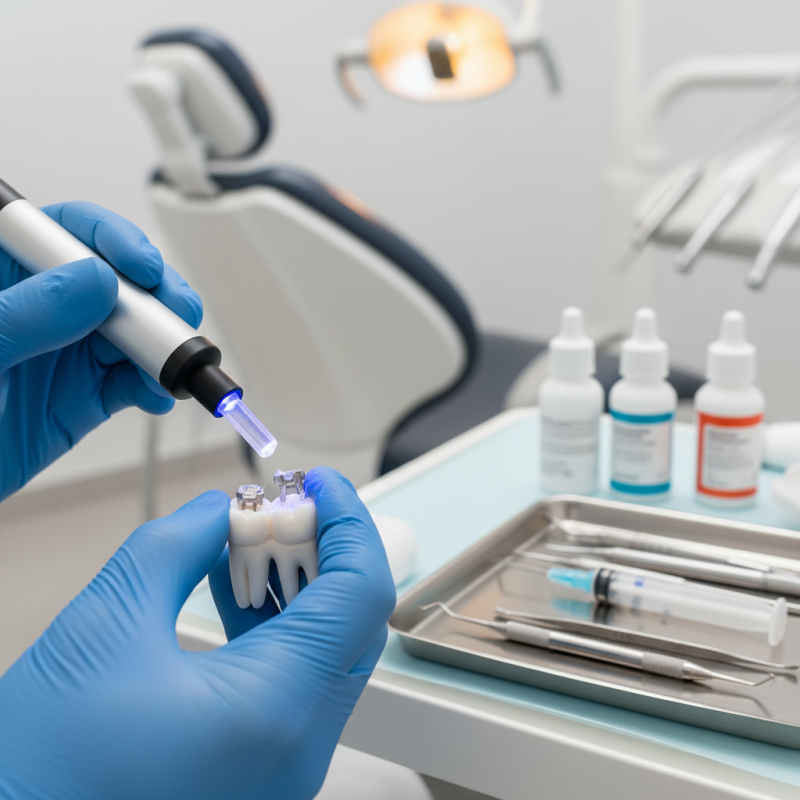
Understanding Orthodontic Adhesive Systems and Their Importance
Orthodontic adhesive systems are essential for effective orthodontic treatment. These systems bond brackets, wires, and other appliances to teeth. A reliable adhesive ensures the longevity of the orthodontic appliances and promotes patient comfort. According to a recent industry report, over 80% of orthodontists prioritize adhesive quality when choosing materials.
Understanding how adhesive systems work is crucial. These adhesives often contain composites that cure under light or through chemical reactions. This process creates a durable bond. However, not all systems perform equally. A study showed that some adhesives may weaken over time, leading to bracket failures. This highlights the need for regular assessments by practitioners.
The choice of adhesive can impact treatment time. Poor adhesion can cause delays. It's evident that orthodontists must stay informed about advancements in adhesive technology. This will help them achieve better results and enhance patient satisfaction. In an evolving field, constant reflection on choices is necessary for optimizing treatment outcomes.
Key Components of a High-Quality Orthodontic Adhesive
When choosing an orthodontic adhesive, several key components determine its effectiveness. One essential aspect is the bonding strength. Reports indicate that a high-quality adhesive system can achieve bond strengths exceeding 10 MPa. This level is crucial for ensuring brackets remain securely affixed during treatment.
Another component is the ease of application. A good adhesive should have a suitable viscosity. This feature allows for precise placement of brackets without excessive run-off. Clinical studies suggest that adhesives with optimal flow properties reduce chair time and enhance patient comfort.
Also, the curing mechanism is important. Adhesives can be light-cured, self-cured, or dual-cured. Each has its advantages. Light-cured adhesives set quickly under a dental curing light. Self-cured adhesives are convenient, but they may require longer setting times. A reflective consideration is the potential for inadequate curing, which can lead to bond failures.
Overall, analyzing these elements helps orthodontic professionals select the right adhesive system. A thoughtful approach to choosing an adhesive can significantly impact treatment outcomes and patient satisfaction.
Comparative Analysis of Different Adhesive Systems in Orthodontics
In orthodontics, choosing the right adhesive system is crucial. Different systems can affect both the efficiency of teeth movement and patient comfort. Some adhesives offer better bonding strength but might require more sensitivity during application. Others may be easier to work with but could compromise longevity.
The comparative analysis of these adhesive systems shows varied results. For instance, some adhesives cure faster but may create more stress on teeth. Others might provide a gentler option but can lead to debonding issues over time. Additionally, ease of removal is a concern; some products are too aggressive, while others leave residue on teeth.
Orthodontists often face dilemmas when selecting adhesives. Each system has pros and cons that require careful reflection. A strong bond is essential, but patient experience shouldn't be overlooked. Therefore, understanding these nuances is vital for successful orthodontic treatment. Adapting to advancements in adhesive technology remains a continuous journey.
Factors Influencing the Performance of Orthodontic Adhesives
When selecting orthodontic adhesives, several factors significantly impact their performance. One crucial aspect is the composition of the adhesive itself. Studies indicate that adhesives containing composite resins have superior bonding strength compared to traditional glass ionomer materials. According to a 2021 report from the American Journal of Orthodontics, the bonding strength can vary by as much as 30% depending on the adhesive type used. This variability can lead to complications, such as debonding of brackets, which ultimately affects treatment duration.
Another essential factor is the surface preparation of the enamel. Proper etching and cleaning can enhance adhesion. A 2019 study found that enamel surfaces treated with phosphoric acid showed a 40% increase in bond strength compared to untreated surfaces. However, some practitioners overlook this step, leading to weaker bonds that may result in premature bracket failure. Additionally, environmental factors like humidity during application can compromise performance, making consistency in the clinical environment paramount.
Curing light intensity also plays a role. Inadequate curing can leave the adhesive under-cured, reducing its effectiveness. Research suggests that insufficient curing increases the risk of unbonded surfaces by 25%. Adjustments in application technique and equipment calibration are necessary for optimal results. These insights highlight the complexities involved in choosing and applying orthodontic adhesives effectively.
Recent Advances in Adhesive Technology for Orthodontic Applications
Recent advances in adhesive technology for orthodontics have significantly impacted treatment outcomes. Modern adhesives are now engineered for enhanced bonding strength and durability. A 2022 study revealed that improved adhesive formulations can reduce bracket failure rates by up to 30%. This is a crucial development, as bracket detachment can prolong treatment times and affect patient satisfaction.
The latest adhesive systems often incorporate nanotechnology. These advancements provide better penetration into enamel surfaces, leading to a stronger bond. Additionally, some systems allow for quicker curing times, with light-activated adhesives setting in just 20 seconds. However, these innovations come with challenges. Practitioners must consider possible sensitivity issues, as some adhesives can irritate gums if not applied correctly.
Attention to proper technique is essential. A poorly executed bonding procedure can negate the benefits of these modern adhesives. Therefore, orthodontic practitioners should stay updated on recent advances and best practices. This ensures that they can provide optimal care while minimizing potential drawbacks associated with new adhesive technologies.