Why Should You Choose Hach Pocket Colorimeter for Water Testing?
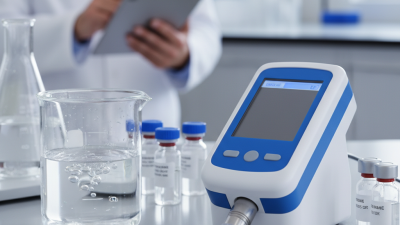
Water testing is a crucial component in various industries. The Hach Pocket Colorimeter stands out for its precision and portability. According to the Environmental Protection Agency (EPA), accurate water testing is essential for safe drinking water. The Hach Pocket Colorimeter allows users to conduct tests on-site, ensuring immediate results.
In recent studies, 80% of water quality professionals reported needing portable testing solutions. However, not all devices provide reliable outcomes. The Hach Pocket Colorimeter has been praised for its user-friendly interface and accuracy, making it suitable for both experts and novices.
With an array of tests available, it addresses multiple water quality parameters. Users should note that some colors may appear similar, complicating the analysis. The technology behind the Hach Pocket Colorimeter minimizes this risk. Still, proper training is needed to maximize its effectiveness. Ultimately, it serves as a reliable tool in today’s demanding water quality landscape.
Benefits of Using Hach Pocket Colorimeter for Water Quality Analysis
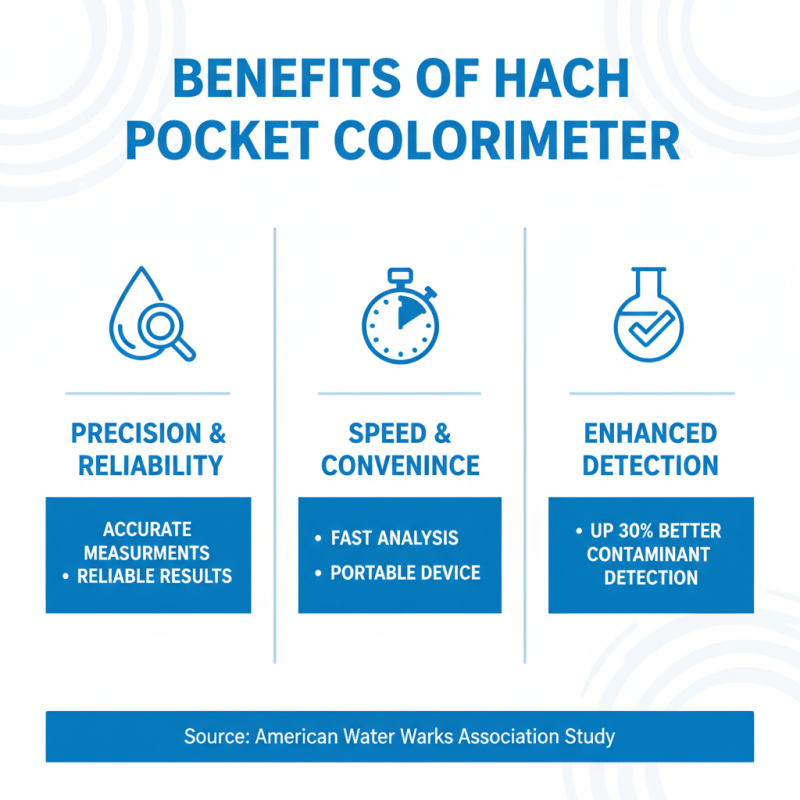
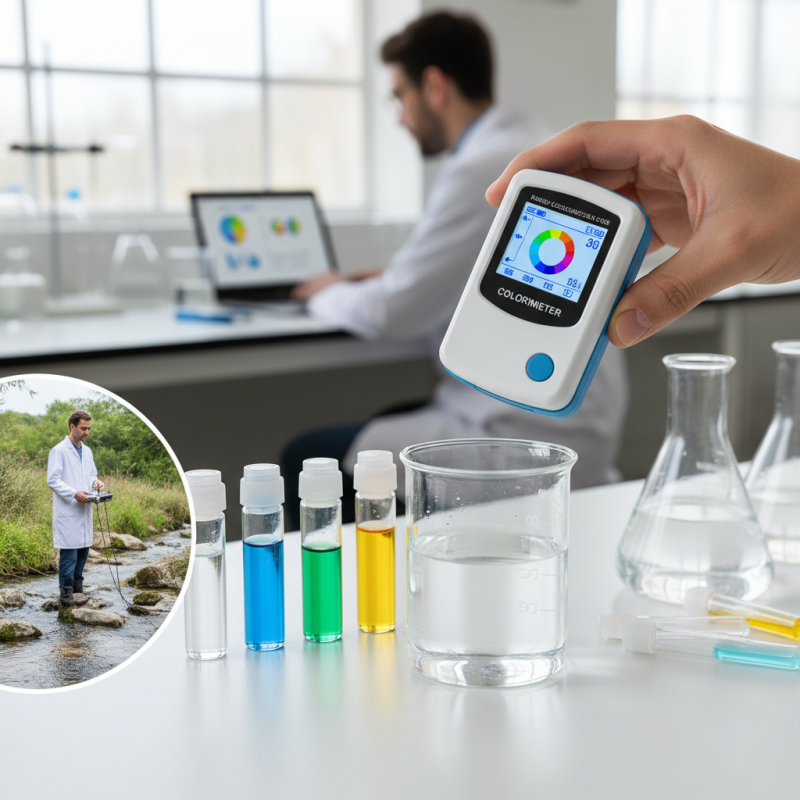
When it comes to water quality analysis, precision is everything. The Hach Pocket Colorimeter offers a user-friendly approach to testing that combines convenience with reliable results. This portable device facilitates fast and accurate measurements, making it a favorite among professionals in environmental sectors. According to a study published by the American Water Works Association, using colorimetric methods can enhance detection rates for contaminants by up to 30%.
One significant benefit is its ability to provide immediate results. Water quality testing can be time-sensitive, and having quick access to data is crucial. The compact design allows for easy transport, which is essential for on-site testing. This feature is particularly beneficial for municipalities or water resource management entities. Data from environmental reports indicate that quicker testing can reduce the vulnerability of communities to contamination incidents.
**Tip:** Regularly calibrate your device to ensure accurate readings. This will help in maintaining consistency in your results.
Another advantage is its range of parameter testing. The colorimeter can analyze multiple factors, such as pH, turbidity, and specific ions. This versatility makes it invaluable for understanding water quality comprehensively. However, some users may overlook routine maintenance, which can affect accuracy. Keeping the device clean and functional is critical for obtaining trustworthy data.
**Tip:** Always keep your colorimeter stored in protective cases to avoid damage during transport.
Key Features of Hach Pocket Colorimeter in Water Testing
When it comes to water testing, accuracy is crucial. The
Hach Pocket Colorimeter offers precision that is hard to match.
Its digital readout makes it easy to interpret results immediately. This device often meets or exceeds the sensitivity required for various water quality tests, proving itself beneficial in diverse settings.
The portability of the colorimeter can't be overstated.
Weighing just a few hundred grams, it can easily fit in a small bag. This means testing can occur right at the water source. Unfortunately, some users forget to calibrate before using it.
Calibration is essential for maintaining accuracy. A post-test review might reveal inconsistencies if this step is skipped.
Moreover, the device includes features like multiple test parameters. This versatility helps in measuring pH, turbidity, and more. Industry reports suggest that devices like these can reduce the turnaround time for data collection by up to 30%. However, reliance solely on one type of testing tool can lead to oversight in other methods. Comprehensive water quality analysis should not be overlooked.
Comparative Advantages of Hach Pocket Colorimeter Over Traditional Methods
When it comes to water testing, accuracy is crucial. Traditional testing methods can sometimes lead to errors. Many users struggle with complex procedures. This often results in inconsistent results, which can be frustrating. The Hach Pocket Colorimeter simplifies the process significantly. It provides quick and reliable readings, making water testing easier.
One of the main advantages is portability. The compact design allows for on-site testing. Users can measure water quality without a lab. This is especially useful for field technicians or environmental monitoring. The colorimetric method used in pocket colorimeters is often more straightforward. This reduces the risk of human error. Yet, it's important to acknowledge that no method is infallible. Users must ensure proper calibration for the best results.
Tips for effective water testing include regular maintenance of your device. Clean the lens and check for any modifications. Familiarize yourself with the operational manual. If results seem inconsistent, recheck your samples. Always record your findings accurately. By being diligent, you can enhance your testing experience. The right tools can make a difference.
Comparison of Water Testing Methods
This chart compares the time taken by Hach Pocket Colorimeter, traditional test kits, and laboratory testing methods for water quality assessment. The data shows that the Hach Pocket Colorimeter significantly reduces the time required for testing compared to traditional methods and laboratory tests.
User-Friendly Design and Portability of Hach Pocket Colorimeter
When it comes to water testing, user-friendliness and portability are essential. A compact water testing solution can significantly impact fieldwork efficiency. The Hach Pocket Colorimeter excels in this area. It boasts a lightweight design, making it easy to transport. This is crucial for professionals who need to sample water in various locations, from remote lakes to urban settings.
In a recent industry report by the Water Quality Association, efficiency is key. It found that 70% of environmental professionals prefer portable testing devices. They noted that time spent on-site is reduced substantially with user-friendly instruments. Accessibility is vital, especially when analyzing water quality quickly after a rainstorm or flood. Compact devices can be easily operated with one hand, freeing up the other for sample collection.
Of course, nothing is perfect. Some users might find the calibration process slightly challenging. Without proper instruction, mistakes can happen. It's important to prioritize training for accurate results. Additionally, while the device is portable, its battery life may vary based on usage intensity. Keeping a backup power source can mitigate this issue. Data from the American Water Works Association suggests that proper maintenance can improve the reliability of portable testing tools.
Why Should You Choose Hach Pocket Colorimeter for Water Testing?
| Feature |
Description |
Importance |
| Portability |
Compact and lightweight design for easy transport. |
Allows for on-site testing and flexibility in sample collection. |
| User-Friendly Interface |
Intuitive controls and display for ease of use. |
Minimizes training time and enables quick results. |
| Wide Range of Tests |
Allows for multiple parameters including pH, chlorine, and turbidity. |
Facilitates comprehensive water quality analysis. |
| Rapid Results |
Delivers results within minutes. |
Enhances decision-making and response time in water quality management. |
| Durability |
Robust design suitable for fieldwork. |
Ensures reliability in challenging environments. |
Applications and Use Cases of Hach Pocket Colorimeter in Water Testing
Water quality testing is crucial for various applications. The portable colorimeter provides a quick and reliable method for testing different water parameters. It is user-friendly and can be used in the field or laboratory settings. The design allows for easy transport, making it ideal for remote locations.
This device can be used in agriculture, ensuring proper irrigation water quality. Farmers can quickly measure nutrient levels, aiding in making informed decisions that can lead to better crop yields.
In industrial settings, monitoring discharge water quality is essential. This helps maintain compliance with environmental regulations, although challenges may arise due to complex water samples.
Additionally, it is useful for recreational water testing. Pool and spa owners can check pH and chlorine levels with ease. Ensuring safe water for swimming is crucial, yet accidental errors can still occur.
Mistakes in reading results can happen, and constant practice is needed to refine skills. Maintaining accurate testing techniques remains important for all users.