Why Choose a Portable TDS Meter for Water Quality Testing?
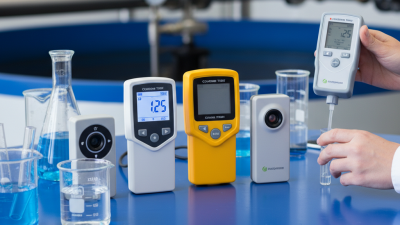
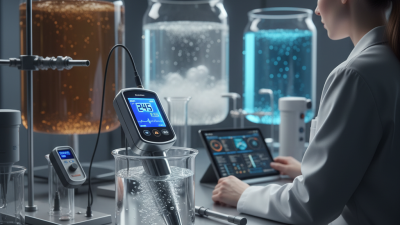
Water quality is a crucial factor affecting health and well-being. According to the World Health Organization, nearly 2 billion people lack safe drinking water. Understanding water quality is vital, and a portable TDS meter offers a practical solution. This device measures Total Dissolved Solids in water, reflecting its purity and safety.
Using a portable TDS meter empowers individuals to regularly check water quality. The convenience of portability makes it easy to carry and use in various settings, from home to outdoor activities. Studies show that over 60% of consumers are concerned about their water quality. A reliable TDS meter provides real-time insights, allowing users to make informed decisions.
Despite its advantages, not all portable TDS meters are created equal. Users must choose a reliable brand for accurate results. Some cheaper models may offer inconsistent readings. Therefore, selecting a high-quality meter is essential to ensure valid measurements. This choice helps consumers safeguard their health and enhance their understanding of the water they consume.
Advantages of Using a Portable TDS Meter for Water Testing
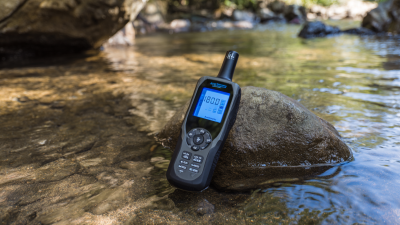
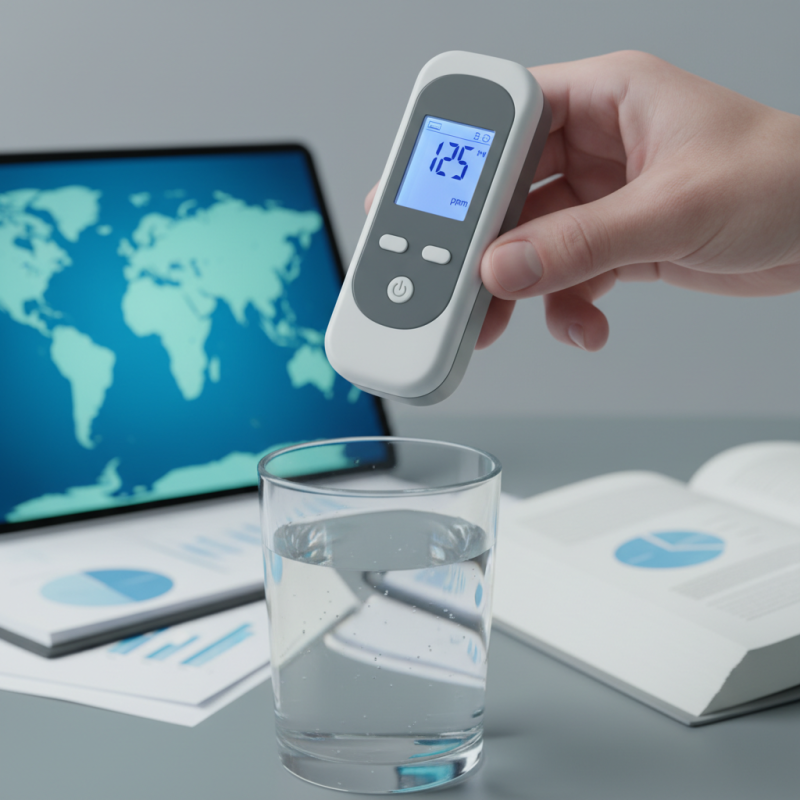
Portable TDS meters are essential tools for accurate water quality testing. They measure total dissolved solids in water, giving immediate results. Their compact size makes them easy to carry around, whether you’re at home or outdoors. This convenience allows users to test water from various sources, such as rivers, lakes, or tap water, providing valuable data on its purity.
One significant advantage of portable TDS meters is their simplicity. Most models feature a straightforward interface. Users can simply dip the meter into the water and read the results in seconds. This ease of use empowers individuals to monitor water quality daily. However, while these devices offer convenience, users must understand their limitations. Calibration may be necessary for accurate readings, and not all TDS meters can detect specific contaminants, which can lead to oversights.
Another aspect to consider is the affordability of portable TDS meters. They are typically cheaper than laboratory testing, making them accessible for everyday consumers. This accessibility promotes a more informed public regarding water safety. Yet, users should be aware of the importance of regular maintenance and proper usage for reliable results. As handy as these devices are, a lack of understanding can result in misinterpretations of data.
Why Choose a Portable TDS Meter for Water Quality Testing? - Advantages of Using a Portable TDS Meter for Water Testing
| Feature |
Description |
Advantage |
| Portability |
Compact design, lightweight. |
Easy to carry and use anywhere. |
| Immediate Results |
Provides instant readings of TDS levels. |
Quickly assesses water quality for immediate decision-making. |
| User-Friendly |
Simple interface and operation. |
Accessible for users of all experience levels. |
| Versatility |
Suitable for various water sources. |
Can be used for drinking, aquaculture, and gardening. |
| Cost-Effective |
Affordable price for regular testing. |
Reduces the need for laboratory tests. |
Key Features to Consider When Selecting a Portable TDS Meter
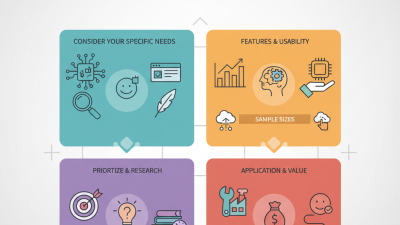
When selecting a portable TDS meter for water quality testing, several key features are essential.
Accuracy and precision are paramount. A reliable meter should have a measurement range that covers various water conditions.
For instance, the acceptable TDS range is typically between 0-2000 mg/L for most residential uses, according to the World Health Organization.
If readings exceed this level, it signals the need for further investigation.
Durability is another critical aspect. Portable TDS meters should withstand different environments.
A water-resistant design can enhance longevity. In addition, consider the ease of use; some meters feature backlit displays for visibility in low-light conditions.
The battery life is also important; a longer battery life means you can conduct more tests without interruption.
Tips: Always calibrate your TDS meter before use to ensure accurate readings. Carry extra batteries and a cleaning cloth to maintain your device.
Remember, while portable meters are convenient, they may not replace lab testing for comprehensive water quality analysis.
Regularly comparing your portable results with lab data can provide a clearer understanding of water quality trends.
How to Properly Use a Portable TDS Meter for Accurate Readings
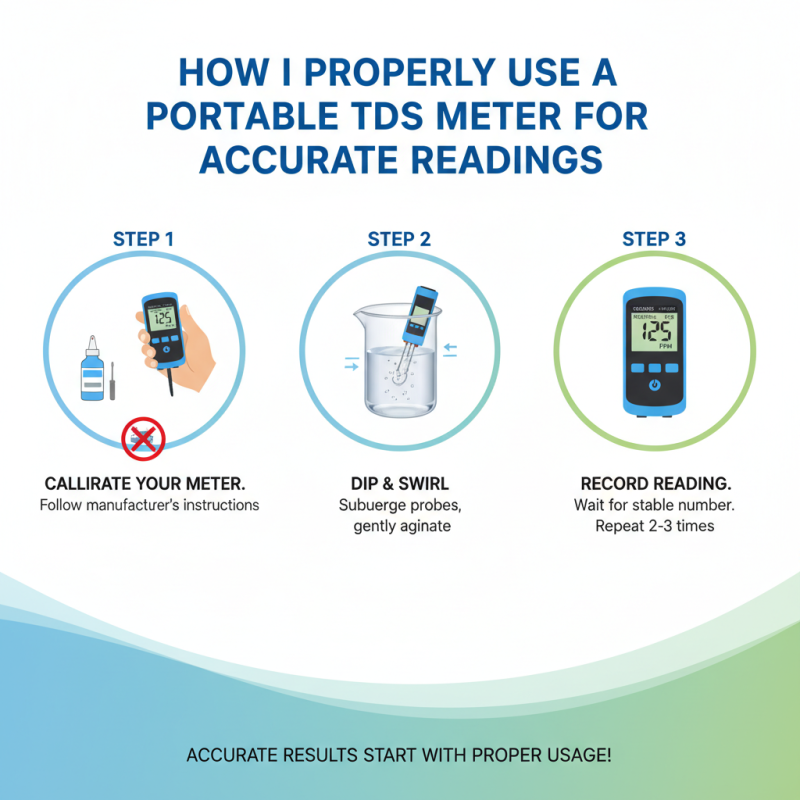
Using a portable TDS meter for water quality testing can yield highly valuable insights. However, proper usage is critical to ensuring accurate results. Start by calibrating your meter as per the manufacturer's instructions. This is an essential step that many overlook. Without calibration, readings can easily be off by a significant margin.
When measuring TDS levels, immerse the meter's probe in the water sample. Allow the reading to stabilize before recording it. Aim for an accurate and consistent test by using the same type of water and the same sample size. This approach helps in comparing results over time. Remember, fluctuations in temperature can affect readings too.
Be sure to maintain the meter. Regular cleaning is vital to retaining accuracy. Store your device in a safe, dry place when not in use. Poor storage can lead to issues later, such as faulty readings. While portable TDS meters can provide quick results, remember that they are not infallible. Take time to check your results against known standards for peace of mind.
Common Applications of Portable TDS Meters in Everyday Life
Portable TDS meters are essential tools for monitoring water quality in various everyday situations. These devices measure total dissolved solids (TDS) in water, offering quick insights into its purity. From home use to outdoor adventures, they are versatile and user-friendly. People use them to check tap water, ensuring it is safe for drinking. A quick dip into a water source reveals whether it meets safety standards.
Aquariums present another common application. Fish enthusiasts often rely on TDS meters to maintain optimal conditions. These meters help monitor the water environment, ensuring it remains healthy for aquatic life. A spike in TDS levels can indicate pollution or imbalance. Having this tool on hand can save fish lives and keep the hobby enjoyable.
Portable TDS meters are also handy for hydroponics and gardening. They assist in measuring nutrient solutions, ensuring plants have the right mineral balance. However, results can vary depending on usage. Misinterpretation of readings may lead to over-fertilization or deficiencies. This highlights the need for ongoing learning when using these instruments. Understanding their limitations is key to effective application.
Comparing Portable TDS Meters to Other Water Quality Testing Methods
When evaluating water quality testing methods, portable TDS meters stand out. A study by the American Water Works Association noted that TDS meters are about 85% more effective in detecting total dissolved solids compared to visual methods. They provide real-time readings, which is crucial for immediate decision-making.
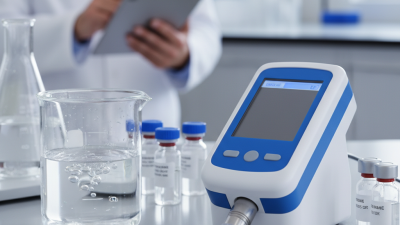
Comparing portable TDS meters to laboratory tests reveals significant differences. Laboratory tests can take days to yield results. While accurate, they lack the immediacy that portable meters offer. Consumers often need quick answers under varying circumstances, such as during emergency assessments. Portable meters can be used in the field, making them versatile and convenient.
Some may question the accuracy of portable devices. Calibration and maintenance are essential for reliable readings. If not properly maintained, a TDS meter's readings might mislead users. It's important to recognize that user errors can occur. Regular training on usage improves the reliability of data gathered. This ensures that even while using portable methods, the results remain credible.