How to Choose the Best Digital Conductivity Meter for Your Needs?
Choosing the right digital conductivity meter is crucial for accurate measurements in various applications. Industry expert Dr. Emily Carter states, “The accuracy of a digital conductivity meter can greatly influence your results.” Her insights underline the importance of selecting the right tools for specific needs.
When considering a digital conductivity meter, it’s essential to assess several factors. Think about what you’re measuring. Different industries often require different specifications. Precision matters, especially in scientific research or water quality testing. A meter that is perfect for one environment may not be suitable for another.
You may also want to consider budget constraints. Many options exist, ranging from basic models to advanced meters with multiple features. Sometimes, more expensive means better accuracy. Yet, this isn’t always the case. Reflecting on your unique requirements will guide your choice effectively.
Understanding Digital Conductivity Meters: Key Features to Consider
When selecting a digital conductivity meter, several key features should be prioritized. First, consider the measurement range. A broad range allows for versatile use across various applications, from aquaculture to soil testing.
Accuracy is another critical factor. Meters with lower uncertainty provide more reliable data, essential for precise measurements. Calibration points are also significant; having multiple calibration options leads to better adaptability and accuracy in different conditions.
Durability and design should not be overlooked. A sturdy meter can withstand harsh environments, ensuring longevity. Look for waterproof models if your work involves liquids. Display quality matters too; a clear, backlit screen improves readability, especially in dim settings. Battery life should also be evaluated. Longer battery life reduces the frequency of replacements.
While these features guide selections, personal needs should also be considered. Assess what applications are most relevant to your work. Reflect on past experiences with other meters. This self-assessment helps identify areas for improvement in your measurement tools. Ultimately, the right meter combines functionality, reliability, and adaptability, tailored to your specific requirements.
Assessing Your Specific Measurement Needs and Application Areas
When selecting a digital conductivity meter, your specific measurement needs play a crucial role. Different applications require different features. For laboratory use, precision is paramount. In contrast, fieldwork may prioritize durability and ease of use. Identify whether you need a meter for measuring water quality, soil salinity, or industrial processes. These factors will guide your choice.
Consider the range and accuracy of the meter. A wide range allows flexibility, while high accuracy is vital for research. Look for models with user-friendly interfaces. Those that are difficult to navigate can lead to errors. Calibration is another essential factor. Some meters are easier to calibrate than others, impacting long-term reliability.
Reflect on your experience with measurement tools. If you're new to conductivity meters, you might find complex models overwhelming. Simpler devices can provide valuable insights without adding confusion. Moreover, think about how often you'll use the meter. Frequent users may benefit from higher-quality, robust options. This acknowledgment of your own needs and habits can lead to a more satisfactory purchase.
Digital Conductivity Meter Comparison
Evaluating the Accuracy and Calibration of Digital Conductivity Meters
When selecting a digital conductivity meter, evaluating its accuracy and calibration is essential. Accuracy ensures that the readings are reliable and reflective of actual conditions. Calibration is the process of adjusting the meter to ensure it delivers precise measurements. Without proper calibration, your readings may lead to misleading results. Regular maintenance and testing of your meter can ensure accurate performance over time.
Tips: Always perform a calibration check before taking crucial measurements. This can prevent costly mistakes. Also, consider the environment in which you’ll be using the meter. Temperature and pressure can influence readings. If your project is sensitive, ensure that your equipment can handle these variables.
Some meters may display inconsistent readings over time. Reflecting on the user manual can shed light on the calibration process. Users sometimes overlook the importance of regular calibration checks. By dedicating a few moments to this detail, you can significantly enhance your meter's performance.
Exploring Different Types and Models of Conductivity Meters Available
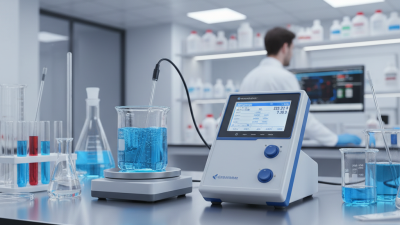
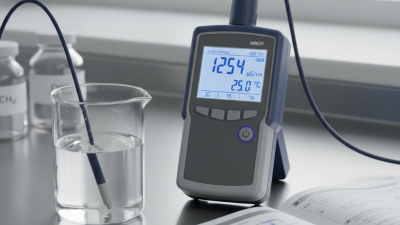
When exploring conductivity meters, it’s essential to understand their various types and models. Each type serves distinct purposes, depending on your specific needs. For instance, portable conductivity meters are great for fieldwork. They offer convenience and ease of use. In contrast, benchtop models are preferable for lab settings, where precision is critical.
Different models come with various features. Some have advanced data logging capabilities, while others might focus on simplicity and ease of reading. Consider what information you require. Do you need continuous monitoring or single measurements? Some devices also come with temperature compensation, which can influence readings.
Not all conductivity meters are equal in terms of durability and reliability. A budget meter may lack essential features, risking data accuracy. Also, consider the maintenance aspects. Calibration is necessary for many models and can become tedious. Moreover, the type of probe used can affect performance as well. Exploring these factors will help align your choice with your specific needs for reliable and accurate data collection.
Budget Considerations: Finding the Right Balance Between Price and Quality
Choosing the right digital conductivity meter involves careful consideration, especially regarding budget. Balancing price and quality is an essential part of the process. A low-priced meter might save money upfront but could lack accuracy. Conversely, a high-end model may feature unnecessary functions you don’t need for routine tasks.
When evaluating options, try to determine the essential features you require. For water quality testing, precision and ease of use are vital. Understand your specific needs to avoid overspending. It’s wise to read user reviews. They can reveal common issues or surprisingly valuable features.
Tips: Look for a meter with a good warranty. This often indicates quality. Don’t hesitate to reach out to suppliers with questions. It’s a great way to gauge their support. Also, consider the long-term costs. Replacement probes can add to your overall investment.