How to Choose the Best Hach Portable Conductivity Meter?
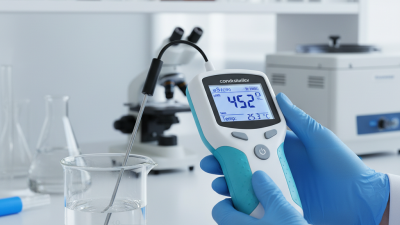
Choosing the right Hach portable conductivity meter can significantly impact your water quality testing. These portable devices offer convenience and accuracy. However, not all models are the same. Some features may suit certain environments better than others.
When selecting a Hach portable conductivity meter, consider your specific needs. Think about the range of conductivity you'll measure. Different applications require different precision levels. For instance, testing in lab settings may need higher accuracy than field testing.
User reviews and expert opinions also play a vital role. Explore what professionals in your field recommend. Durability and ease of use are essential factors. Investing in a reliable meter saves time and resources in the long run. Ultimately, the best choice will depend on your unique circumstances and preferences.
Understanding Conductivity Measurement and Its Importance in Water Quality
Conductivity measurement is crucial for assessing water quality. It indicates how well water can conduct electricity, which correlates with the presence of ions. High conductivity often signifies high ion concentration, suggesting possible contamination or excessive nutrients in water. Monitoring this parameter helps to ensure safe drinking water and protect aquatic ecosystems.
Understanding conductivity also aids in identifying pollution sources. For instance, agricultural runoff can increase ion concentrations. Regular testing helps detect changes over time. It’s essential to choose reliable measuring devices for accurate data. Inaccurate readings can lead to misinformed decisions. Not all portable meters are created equal. Some may offer convenience but lack precision. This can skew results significantly.
Using a conductivity meter requires attention to detail. Calibration is imperative for maintaining accuracy. Users should frequently check their equipment’s performance. Understanding the intricacies and limitations of your devices can lead to better water quality management. While portable meters provide flexibility, they can sometimes produce inconsistent data. Reflecting on these challenges is key to effective measurement practices.
Key Features to Look for in Hach Portable Conductivity Meters
When selecting a portable conductivity meter, certain features are crucial. Accuracy is one of the top considerations. You want a meter that provides precise readings consistently. Look for models with a low margin of error. This can significantly affect your results, especially in laboratory settings.
Another important feature is ease of use. A user-friendly interface makes a big difference. Ensure the buttons and display are intuitive. Quick access to calibration settings can save time and frustration. An effective calibration reminder helps maintain accuracy, which is essential for consistent performance.
Durability must not be overlooked. A robust design can withstand harsh conditions. Consider meters that are waterproof or resistant to chemicals. Portability is also key. A lightweight and compact design will make fieldwork easier. Balance these needs with your specific applications for the best results. It's often easy to overlook these factors, leading to regrets later.
Evaluating Accuracy and Calibration Standards in Conductivity Meters
When selecting a portable conductivity meter, accuracy is paramount. Accurate readings can be influenced by various factors such as
temperature and calibration standards. The calibration process ensures that your meter provides precise measurements across different conditions.
Ideally, meters should be calibrated using standard solutions that closely match the expected samples.
Understanding calibration standards is essential. Various concentrations of conductivity standards exist, varying from low to high readings.
Frequent calibration is crucial for reliable results. Each time you perform a calibration, you introduce a level of uncertainty. It's important to recognize that even slight deviations can lead to significant discrepancies in measurements.
There are instances when a meter may not function as expected. Environmental factors such as temperature fluctuations can affect readings.
Users often overlook the importance of regular maintenance in ensuring accuracy. Dirty sensors or outdated calibrations may yield misleading data.
Consistently checking and updating keys to reliable performance is crucial for making informed decisions based on conductivity measurements.
Comparative Analysis of Hach Portable Meters: Performance and Specifications
When selecting a portable conductivity meter, it’s crucial to analyze performance and specifications closely. Evaluating the range of conductivity measurements is key. Some meters excel in low conductivity readings, while others perform better at high levels. Always check the accuracy and stability specifications. High accuracy is essential for precise readings. It ensures any water quality assessment is reliable.
Response time also plays a significant role. Meters that display results quickly can save valuable time in fieldwork. Look for options with rapid stabilization; it makes a difference. However, not all meters are equally portable. Weight and size can affect usability in remote locations. A balance between durability and portability is necessary.
Calibration procedures can be a sticking point. Some devices require frequent calibration, while others maintain accuracy over longer periods. Reflection on this aspect is vital for consistent performance. Choose a meter that aligns with your field conditions. Additionally, consider ease of use. Intuitive interfaces can enhance efficiency. There’s no one-size-fits-all solution, and sometimes it takes trial and error to find the ideal meter. Your final choice should reflect specific needs and trusted performance indicators.
How to Choose the Best Portable Conductivity Meter? - Comparative Analysis of Portable Meters: Performance and Specifications
| Model |
Measurement Range (µS/cm) |
Accuracy (%) |
Temperature Range (°C) |
Battery Life (hours) |
Weight (kg) |
| Model A |
0 - 2000 |
±1.5 |
0 to 50 |
50 |
0.5 |
| Model B |
0 - 10000 |
±2.0 |
-10 to 60 |
40 |
0.8 |
| Model C |
0 - 5000 |
±1.0 |
0 to 70 |
60 |
0.4 |
| Model D |
0 - 20000 |
±3.0 |
-5 to 55 |
30 |
0.6 |
User Feedback and Reliability: Insights from Industry Professionals
When selecting a portable conductivity meter, user feedback is crucial. Industry professionals emphasize that real-world experiences shape perceptions of reliability. Many users report issues like calibration difficulties or battery life concerns. It’s important to consider these insights. Reviews often highlight the ease of use and accuracy, critical features for many applications.
Tips for choosing wisely include seeking out user reviews and expert opinions. Look for consistency in feedback. If multiple users mention similar issues, take note. Evaluate the meter’s build quality and user interface. A robust design often correlates with long-term reliability. Features like auto-calibration options can save time and reduce errors.
Test results in various environments can vary. Some meters perform excellently in lab settings but struggle in field conditions. This nuance is important. It’s worth consulting with professionals who have hands-on experience with specific models. Their insights can provide clarity and help avoid potential pitfalls. Take time to reflect on your specific needs before making a decision.