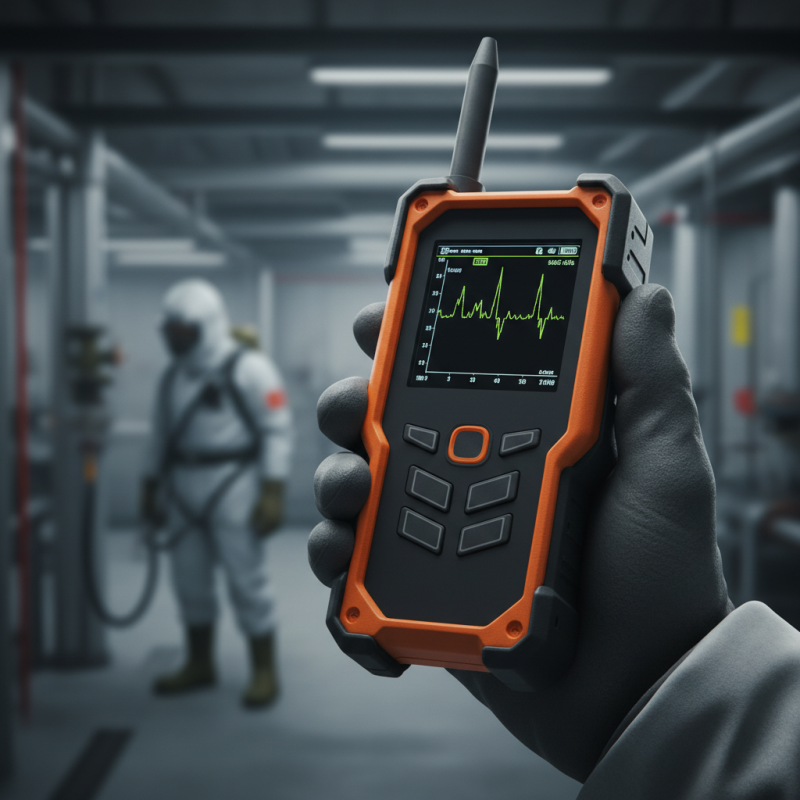
How to Choose the Best Handheld Gas Monitor for Your Needs?
Choosing the best Handheld Gas Monitor is essential for safety and effectiveness. With various models on the market, the task can be overwhelming. You must consider features, accuracy, and reliability. Each user's needs can differ significantly.
A reliable Handheld Gas Monitor can protect workers in hazardous environments. It helps in detecting gases that may pose health risks. Factors such as sensitivity and range vary across models. Testing in real situations is crucial for ensuring the monitor performs well.
Users often overlook calibration and maintenance needs. A monitor that doesn't function correctly can lead to dangerous situations. Researching and consulting experts can provide insights into the best choices. A thorough evaluation will lead to a more informed decision, ensuring safety and compliance.
Understanding the Importance of Handheld Gas Monitors
Handheld gas monitors play a crucial role in ensuring safety across various industries. Their importance cannot be overstated. According to a report by the U.S. National Institute for Occupational Safety and Health (NIOSH), hazardous gas exposure accounts for numerous accidents each year. These devices help detect harmful gases quickly. They provide real-time data, which is vital for decision-making during emergencies.
Understanding the specific gases present in your work environment is necessary. Different gases have distinct characteristics and health risks. For instance, carbon monoxide is odorless but deadly. A study cited in the Journal of Safety Research indicates that gas monitors can reduce exposure in confined spaces by up to 75%. Regular use of these devices is essential for workers' protection.
However, not all handheld gas monitors are created equal. Some users may overlook calibration and maintenance, which can lead to inaccurate readings. This reflects the need for more training and awareness. Proper education on usage and limitations can enhance safety outcomes and reduce risks associated with gas exposure.
Key Features to Look for in a Handheld Gas Monitor
Selecting the right handheld gas monitor is crucial for safety and efficiency. Key features can greatly affect performance. Sensitivity is vital; the monitor should detect lower gas concentrations. Some reports suggest that devices with sensitivity levels below 1 ppm can enhance workplace safety.
Furthermore, response time is essential. A quick response time, ideally less than 15 seconds, helps in preventing hazardous situations. Studies indicate that delays in detection can result in significant risks. Calibration capabilities also matter. Regular calibration ensures accuracy, with a recommended frequency of at least once a month. This frequency allows users to trust the monitor's readings.
Another important aspect is data logging. Devices that record gas levels over time help track trends and monitor environments. About 70% of safety professionals believe data analytics improve risk assessment. Consider battery life as well. Monitors with longer battery duration reduce the hassle of frequent charging. Ultimately, it's essential to choose a device that balances features with usability and reliability.
Types of Gases Measured and Their Relevance to Your Needs
When selecting a handheld gas monitor, understanding the types of gases it measures is crucial. The relevance of these gases to your specific needs can make a significant difference. Common gases include carbon monoxide, methane, and hydrogen sulfide. Each poses unique risks and has distinct measurement requirements. Carbon monoxide is often found in confined spaces, while methane is a primary concern in industrial applications.
Tips for choosing the right monitor include identifying the gases present in your environment. Assess the potential hazards you might encounter. A monitor that detects multiple gases may seem ideal, but it can also be more complex to use. Ensure the device is user-friendly, especially if you're not trained in gas detection.
Another important factor is calibration. Regular calibration ensures accuracy, but it can be overlooked. Users should be proactive in understanding when calibration is necessary. In some cases, monitors may even require frequent recalibration depending on their use environment. This could mean additional work, but it ensures your safety is not compromised.
Gas Types and Their Relevance for Handheld Gas Monitors
Assessing the Accuracy and Reliability of Gas Monitors
When selecting a handheld gas monitor, accuracy and reliability are paramount. According to a report by the International Safety Equipment Association, inaccurate gas readings can lead to severe safety risks, including exposure to hazardous environments. Calibration frequency is essential; monitors should be calibrated regularly to maintain their effectiveness. A study shows that devices require calibration at least every 6 months for optimal results.
Tips: Always check manufacturer guidelines for calibration schedules. Regular maintenance can prevent false readings.
Another critical factor is the sensor type. Many handheld monitors use electrochemical sensors, which are reliable for detecting specific gases. A report from the National Institute for Occupational Safety and Health indicates that these sensors can drift over time. Users must be aware of potential drifts that affect accuracy. Periodic testing against known gas concentrations is recommended for ensuring accuracy.
Tips: Consider sensor replacement if performance diminishes. Don't overlook the importance of user training on operating the device effectively.
Choosing a gas monitor is more than just picking a model. It involves understanding how accuracy is influenced by factors like calibration and sensor integrity. Ensuring reliability means being proactive about maintenance and training. This vigilance can save lives.
Budget Considerations for Purchasing a Handheld Gas Monitor
When considering the budget for purchasing a handheld gas monitor, it’s essential to establish priorities. Determine which features are critical for your specific application. Quality meters rely on advanced sensors, which can be more expensive. Sometimes, users go for cheaper options, only to regret their decision later. The initial savings may lead to greater costs in repairs and lack of reliability.
Evaluate the long-term investment rather than just upfront costs. Higher-quality monitors often provide better durability and accuracy over time. Some budget models may lack essential features like real-time data logging or multi-gas detection. Reflect on your needs. Will you require a monitor to operate in extreme conditions? If so, investing more upfront could save money in the long run.
Don’t forget about maintenance costs. Some monitors may require frequent calibration, which adds to overall expenses. Assess the warranty and customer support offered by the manufacturer. Reliable customer service can save you time and frustration. Remember, choosing the right gas monitor is not merely about the initial price; it involves a holistic view of your ongoing needs and future costs.
How to Choose the Best Handheld Gas Monitor for Your Needs? - Budget Considerations for Purchasing a Handheld Gas Monitor
| Feature | Description | Price Range | Best For |
| Detection Range | The range of gases that the monitor can detect. | $200 - $500 | General Use |
| Calibration | Frequency and ease of calibration required for accuracy. | $100 - $300 | Regular Monitoring |
| Battery Life | Duration the monitor can be used before recharging. | $150 - $400 | Field Work |
| Data Logging | Ability to record and store data over time. | $250 - $600 | Research & Analysis |
| Sensor Type | The technology used for gas detection. | $200 - $800 | Heavy Industrial Use |