2026 How to Choose the Right pH TDS Conductivity Meter for Your Needs?
Choosing the right pH TDS conductivity meter is crucial for various applications. These devices measure important water quality parameters. They help in ensuring safe drinking water, optimal plant growth, and accurate lab experiments.
When selecting a pH TDS conductivity meter, consider specific use cases. Different environments may require different features. A laboratory may prioritize accuracy, while agriculture might focus on durability and ease of use.
Finding a meter that meets all your needs can be challenging. It’s easy to overlook essential factors such as range, calibration, and maintenance. Reflect on what matters most in your specific context. A well-chosen pH TDS conductivity meter can greatly enhance your work. However, making the right choice demands careful thought and consideration.
Factors to Consider When Selecting a pH Meter for Your Application
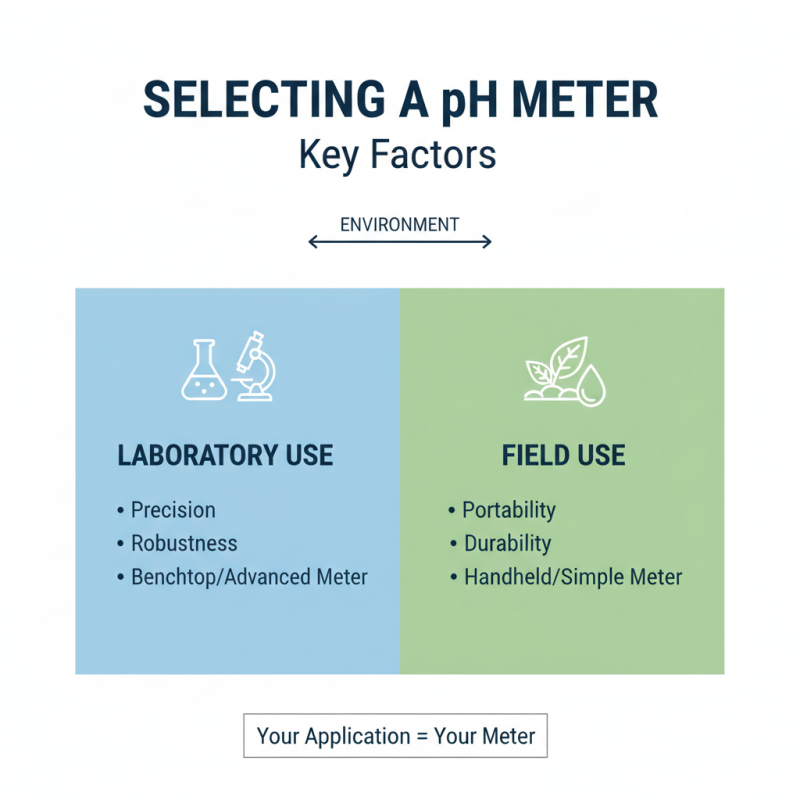
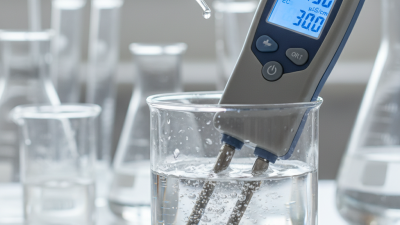
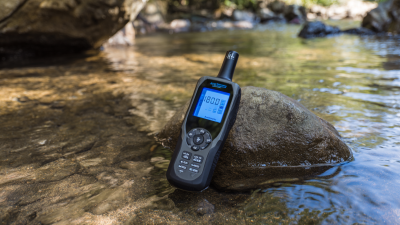
When selecting a pH meter for your specific application, several factors come into play. Understanding the environment where the meter will be used is crucial. For instance, labs have different requirements than outdoor environments. A simple handheld meter might suffice for field use. However, a laboratory may need something more precise and robust.
Calibration is another vital factor. Many pH meters require regular calibration for accuracy. Different applications may use different buffer solutions. Not all meters handle every buffer well. Knowing this can save time and prevent inaccurate readings. You also need to consider the display. A clear, easy-to-read display simplifies the process.
The durability of the meter matters too. If you're in a busy environment, the device should withstand the daily wear and tear. Some designs may not hold up well over time. Think about the cost versus longevity. A cheaper option might lead to higher costs in the long run. It's essential to assess not just the initial price but also the meter's lifespan. These details greatly impact your overall experience.
Understanding TDS and Conductivity: Definitions and Measurements
Understanding TDS and conductivity is essential for various applications. Total Dissolved Solids (TDS) refer to the total concentration of dissolved substances in water. These can include minerals, salts, and organic matter. Measuring TDS gives you insight into water quality. High levels may indicate pollution or nutrient overload.
Conductivity measures how well water can conduct electric current. This ability increases with more ions present in the water. The higher the conductivity, the more dissolved solids are likely present. Different applications require different conductivity levels. For instance, tap water typically has a lower conductivity than seawater.
In some cases, people misuse TDS and conductivity meters. They rely solely on these numbers without understanding their significance. This can lead to misguided conclusions about water quality. Knowing the context is vital for proper interpretation. Failing to do so may result in poor decisions. Always consider various factors when analyzing water conditions.
2026 How to Choose the Right pH TDS Conductivity Meter for Your Needs?
| Feature |
Description |
Importance Level |
| Measurement Range |
The span of values the meter can read (e.g., 0-14 pH, 0-19990 μS/cm). |
High |
| Calibration |
Frequency and ease of calibration to ensure accurate readings. |
High |
| Display Type |
Digital, analog, or LCD readability. |
Medium |
| Portability |
Weight and size of the meter for ease of transport. |
Medium |
| Battery Life |
Duration the meter can function on a single charge or battery. |
Medium |
| Water Resistance |
IP rating indicating the device's resistance to moisture. |
Low |
| Price Range |
Cost of the meter which can influence purchasing decisions. |
High |
Key Features of pH, TDS, and Conductivity Meters to Look For
When choosing a pH, TDS, or conductivity meter, it’s essential to consider specific features. Accuracy is crucial. Look for meters that provide precise readings. Reliable calibration options enhance their functionality over time. Some meters allow for temperature compensation, which can improve results. This feature is particularly helpful in varying conditions.
Ease of use should also be a priority. A clear display makes reading results straightforward. User-friendly interfaces are beneficial, especially for beginners. Portability can’t be overlooked. Compact meters are easier to carry for fieldwork. Waterproof designs add durability, protecting the meter from accidental damage.
Lastly, consider the power source. Battery life is vital for extended use. Some models offer rechargeable options. Reflect on your testing environments and how often you’ll use the meter. If you expect regular usage, investing in a high-quality device might be wise. Assess your needs carefully. The right choice can significantly impact your work.
Comparative Analysis of Leading pH TDS Conductivity Meter Brands
When selecting a pH TDS conductivity meter, it's crucial to consider various brands. Each brand offers unique features and specifications that cater to different needs. Some meters excel in precision, providing accurate readings, while others focus on user-friendly designs. Conducting a comparative analysis helps in understanding these differences.
One brand might be favored for its durability, making it suitable for fieldwork. Another could shine due to its multifunctionality, combining pH, TDS, and conductivity measurements into one device. However, with more features comes complexity. Users may find themselves overwhelmed by interfaces that are not intuitive. Simplicity often gets overlooked but remains vital for new users.
Price is also a significant factor. High-end meters offer advanced capabilities but can be out of reach for hobbyists or small-scale testers. Less expensive options may lack accuracy or longevity. Users must weigh their needs against their budgets.
Familiarization with the product is essential; sometimes, user reviews reveal hidden issues or benefits. Evaluation and exploration of various brands lead to informed choices.
Calibration and Maintenance: Ensuring Accuracy and Longevity of Meters
Calibration and maintenance are critical for ensuring the accuracy and longevity of pH, TDS, and conductivity meters. Regular calibration helps maintain measurement precision, as devices can drift over time. A study indicates that equipment can lose accuracy by up to 10% annually without proper calibration. Users should follow manufacturer guidelines to calibrate meters, typically every month or even more frequently in rigorous environments.
Cleaning is another essential maintenance piece. Contamination can affect readings. According to industry reports, regular cleaning increases device lifespan by 20%. Simple solutions like distilled water and soft cloths can effectively remove residues. Users must ensure sensors are stored properly, too, as improper storage can lead to sensor damage or deterioration.
Neglecting these processes leads to unreliable results. For example, uncalibrated meters can provide readings that are misleading. Data can result in poor decision-making in various fields, from agriculture to hydroponics. Investing time in calibration and maintenance not only preserves meter functionality but also enhances overall data reliability. Each user must reflect on their processes and implement consistent practices for optimal outcomes.