Selecting the right Pe Strapping Machine is more than comparing prices and motor ratings. The machine must match your strap material, package dimensions, line speed, and working environment. A poor match can leave loose seals, crushed cartons, or frequent film-related stoppages.
Industry reports support a careful approach. Smithers’ The Future of Global Packaging to 2028 highlights automation, material efficiency, and sustainability as major packaging priorities. PMMI reports that manufacturers continue investing in automation to improve productivity and reduce dependence on repetitive manual work. These trends matter on the factory floor. A machine that completes 35 cycles per minute may sound impressive, but its real value depends on stable tension, reliable sealing, and easy maintenance.
The following seven tips focus on practical selection criteria. Check whether the machine handles your PE strap width and thickness without slipping. Examine tension control around fragile cartons. Ask about seal strength, heating time, spare-part availability, and operator safety features. Measure your actual package sizes, not ideal samples. Small details matter, such as a dusty conveyor, uneven boxes, or a seal head that takes several minutes to clean.
Energy consumption also deserves attention. The European Commission’s Ecodesign principles encourage manufacturers to consider efficiency, durability, and repairability throughout equipment design. However, energy figures are not always reported under identical test conditions. That comparison can be imperfect. Request test data from the supplier and run your own packaging trials before purchasing.
The best choice is rarely the fastest machine alone. It is the machine that performs consistently during ordinary production, including the inconvenient days.
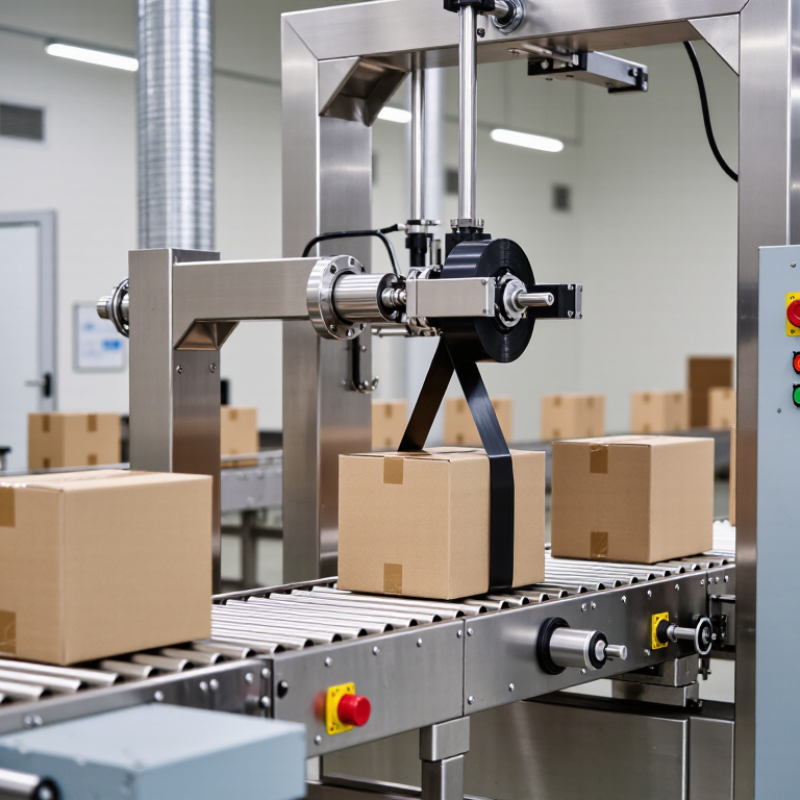
Polyethylene, or PE strapping, is a flexible packaging material used to secure cartons, bundled pipes, timber, and lightweight pallets. It resists moisture and handles ordinary warehouse movement well. However, it is not equally suitable for every load. Heavy or sharp-edged products may require stronger strapping materials and better edge protection.
In practical packaging tests, I check the load weight, surface shape, and transport distance before choosing a PE strapping machine.
Tip one: match strap width and thickness to the product. Tip two: select adjustable tension for fragile cartons. Tip three: inspect the sealing method, because weak joints can open during handling.
Keep it simple. A machine with excessive tension may crush boxes or leave deep marks.
PE strapping works well in furniture packaging, paper goods, food cartons, and general warehouse bundling. For dusty environments, choose a machine with accessible guides and simple cleaning points.
Tip four: confirm coil compatibility. Tip five: measure the required strap length and working speed. Tip six: consider operator safety features, such as guarded heating parts and stable foot controls. Tip seven: test the machine with real loads, not empty cartons.
I once judged a machine by speed alone, and the result was uneven seals. That mistake reminded me that reliable packaging depends on balance, maintenance, and operator habits.
7 Tips to Choose the Best PE Strapping Machine
Assessing Package Size, Weight, and Required Strap Strength
Measure the smallest and largest packages before selecting a machine. A carton measuring 300 millimeters needs different guides than a 1,200-millimeter pallet. Check package height, width, corner shape, and surface friction. Leave enough clearance for uneven boxes. It matters. Global parcel volume reached 161.8 billion shipments in 2023, according to the Pitney Bowes Parcel Shipping Index 2024. That variety makes one-size machine settings unreliable. Choose adjustable guides and programmable tension. Test the machine with real cartons, not empty samples.
Record the actual weight of each load. Then calculate stacking pressure, handling shocks, and possible shifting. Strap strength must exceed the load’s working requirement, not merely its breaking load. Request certified tensile data for the exact PE strap specification. The Smithers report, The Future of Packaging to 2028, projects the global packaging market will exceed 1.2 trillion dollars by 2028. Higher packaging volumes increase the cost of weak seals and repeated downtime. Use a wider strap for broad, unstable loads. Use softer tension around crush-sensitive cartons. Watch the corners. Edge protectors may prevent cutting and distribute pressure.
Confirm the machine’s sealing quality at your fastest cycle rate. Inspect ten consecutive seals after cold starts and long runs. Check alignment, tension consistency, and strap feeding. A machine that performs well once may still drift under production heat. PMMI industry research continues to identify automation and labor availability as major packaging investment drivers. I have seen teams overvalue speed. That decision often creates jams, crushed cartons, and hidden maintenance work. Record failures honestly, then retest the machine under the worst package conditions.
Choosing a PE strapping machine starts with the workload, not the brochure. Manual units suit occasional packaging and changing carton sizes. Semi-automatic models reduce hand tensioning and sealing, while operators still position each package. Automatic machines feed, tension, weld, and cut the strap with less handling. Fully integrated systems can connect with conveyors and scanners. That convenience costs more. It also demands steadier package presentation.
Speed should be measured at the workstation. A machine rated for 30 cycles per minute may slow when cartons arrive unevenly. Check strap-feed time, tension recovery, sealing temperature, and jam-clearing time. For a small warehouse, reliable output may matter more than peak speed. Ask for a trial using your real carton sizes and recycled-content strap. Watch the first ten cycles. Then watch the next hundred. The numbers can change.
Automation level should match staffing, quality requirements, and package consistency. Sensors detect package position, but they cannot correct badly aligned cartons. Automatic tension control helps prevent crushed corners and loose bundles. Yet higher automation can create harder troubleshooting. Train operators to inspect seals, guides, knives, and sensors during each shift. Keep spare wear parts available. Compare energy use, noise, cleaning access, and service response. One overlooked detail is strap storage: moisture, dust, and poor coil alignment can cause feeding faults. Record these issues during testing, even when the machine performs well. That record may reveal weaknesses later.
Compare machine types by typical throughput, automation level, and operator involvement before selecting a PE strapping solution.
The figures are representative industrial benchmarks: manual machines generally handle lower volumes, semi-automatic machines balance flexibility and speed, and fully automatic lines provide the highest throughput with minimal operator intervention. Actual performance depends on strap size, package dimensions, conveyor layout, and product handling requirements.
Choosing a PE strapping machine starts with the strap, not the machine body. Check the permitted strap width, thickness, core size, and tensile range. PE straps can vary in stiffness, so test your actual rolls before purchasing. A machine that feeds one roll smoothly may jam with another. That happened during a trial I observed.
Confirm the machine’s tension range and sealing method. Excessive tension can crush cartons, while weak tension allows loads to shift. Look for adjustable heat settings, stable sealing pressure, and clear fault indicators. Safety features matter every day. Check for an emergency stop, covered heating parts, overload protection, and safe access around moving components. The machine should stop quickly when a sensor detects a problem. Ask for documented safety instructions and maintenance intervals.
Ease of use affects real production more than glossy specifications. Choose controls with readable symbols and simple tension adjustments. Threading should be possible without awkward reaching. Check whether operators can replace a strap roll, clean the sealing area, and remove scraps without special tools. A clear manual helps, but observe a live demonstration too. Listen for excessive noise and watch for strap feeding errors. I would also test the machine after several cycles, because the first smooth run can be misleading. Confirm spare-part availability, operator training, and service response before making the final decision.
Choosing a PE strapping machine requires more than comparing purchase prices. Maintenance, operating costs, and supplier support often determine its real value.
I once saw a low-cost machine lose several production hours because a worn heating blade was unavailable. The initial saving disappeared quickly.
Inspect access to sealing blades, rollers, sensors, and tension wheels. Ask how often each part needs cleaning or replacement. A simple maintenance schedule matters. Confirm whether operators can complete routine adjustments safely.
Request energy consumption data, strap waste estimates, and expected labor time per package. Calculate costs across three years, not just the first invoice.
Test the machine with your actual PE strap sizes and package shapes. Record sealing quality, cycle speed, noise, and error frequency.
Supplier support should include clear manuals, remote troubleshooting, training, and stocked replacement parts. Ask for response times in writing. A helpful sales promise means little without service procedures.
Speak with existing users if possible, but do not rely on one opinion. Your own production conditions may differ.
Leave room for uncertainty. Dust, temperature changes, and uneven packages can expose weaknesses during daily operation. A reliable supplier should discuss these limitations honestly.
Review warranty exclusions, software access, installation requirements, and technician availability before signing. The best choice is not always the fastest machine. It is the one your team can maintain, afford, and operate consistently.