Top Tips for Using a Portable Conductivity Meter Effectively?
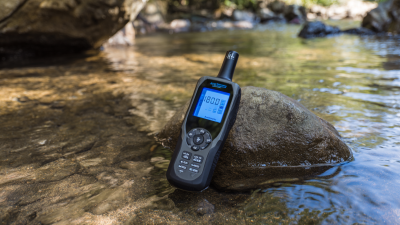
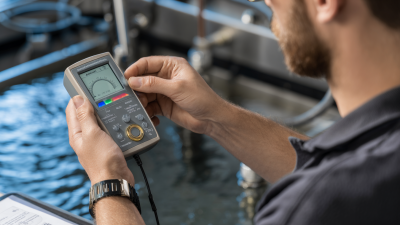
Using a portable conductivity meter can greatly enhance your ability to measure water quality. These devices are compact and convenient, making them perfect for fieldwork. Understanding how to use them effectively is essential to obtain accurate readings.
Many users struggle with calibration. Regular checks are crucial for reliable results. If calibration is off, readings may mislead you. One common mistake is not cleaning the probe after each use. This can introduce contamination and affect measurements. Remember, a clean meter is a reliable meter.
Another aspect to consider is temperature. Conductivity readings can fluctuate with temperature changes. Some meters have built-in automatic temperature compensation. Still, it is important to be aware of this factor. Users need to be cautious. Misinterpreting readings can lead to incorrect conclusions. Overall, mastering the portable conductivity meter is a worthwhile endeavor, but it requires careful attention to detail.
Understanding the Basics of Portable Conductivity Meters: Key Features
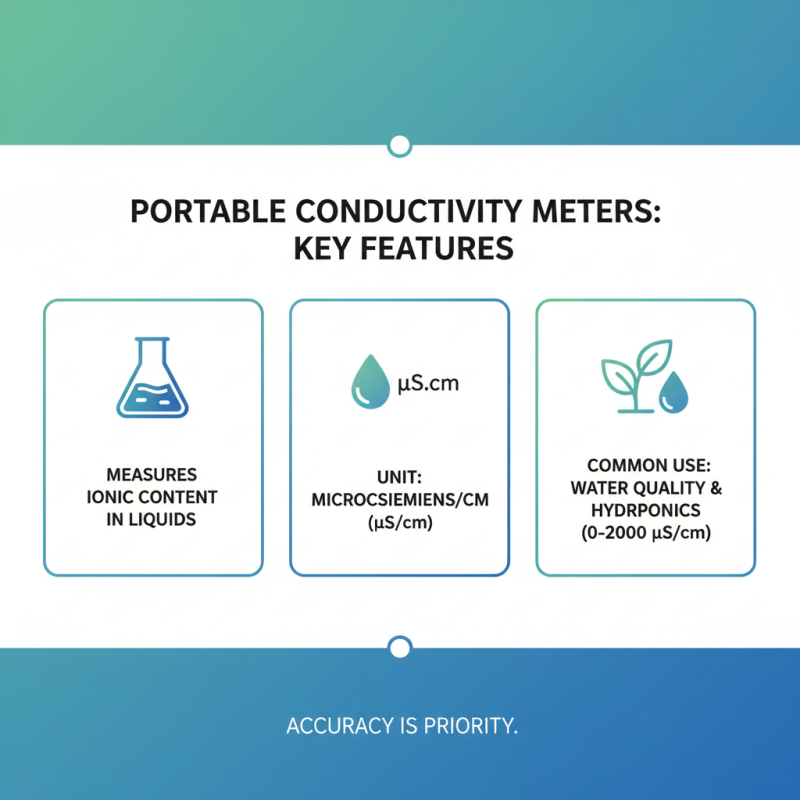
Portable conductivity meters are essential tools for measuring the ionic content of liquids. Understanding their key features helps users maximize their effectiveness. These meters typically measure conductivity in microsiemens per centimeter (µS/cm) and provide insights into water quality. According to industry reports, meters with a range of 0-2000 µS/cm are widely used for environmental testing and hydroponics, making accuracy a priority.
When using a portable conductivity meter, calibration is crucial. Regularly calibrating with standard solutions can ensure reliable readings. Aim to calibrate before significant measurements. Use a fresh standard solution, and remember to rinse the probe with distilled water afterward. By adhering to these practices, users can expect more consistent results in their tests.
It's important to remember that not all meters perform the same in various conditions. Factors like temperature can affect readings significantly. Meters designed for a wider temperature range may be more reliable. Additionally, unique user environments may reveal inconsistent performance. Regularly review your technique and inspect the meter for wear and tear. This reflection can lead to better decision-making and improved data integrity.
Calibration Techniques for Accurate Measurements in Various Environments
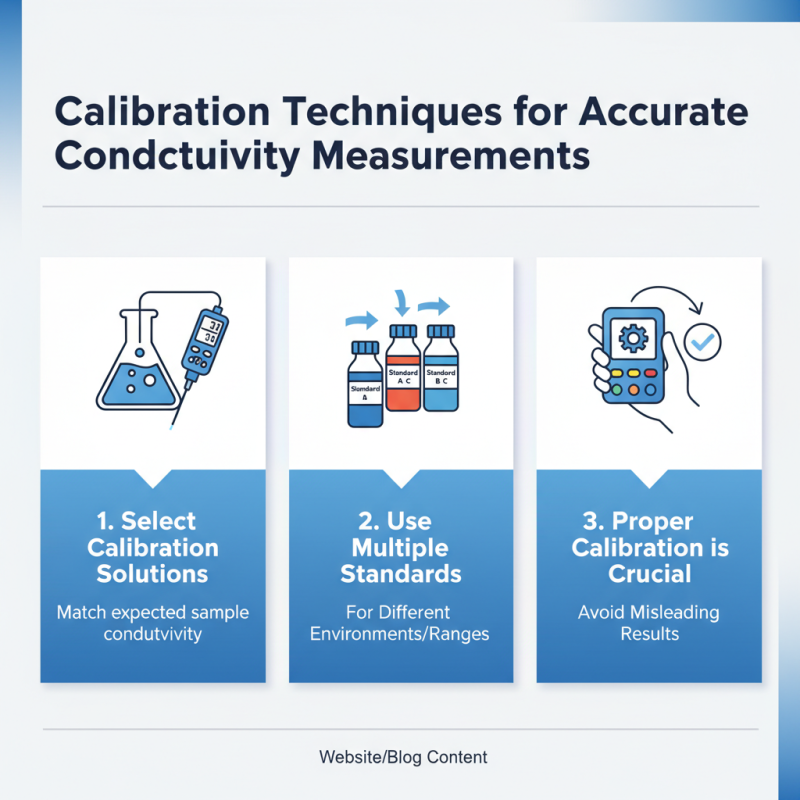
Calibration is crucial for using a portable conductivity meter effectively. Without proper calibration, measurements can be misleading. Begin by selecting the right calibration solutions. These should match the expected conductivity of your samples. Typically, you'll need multiple standards for different environments.
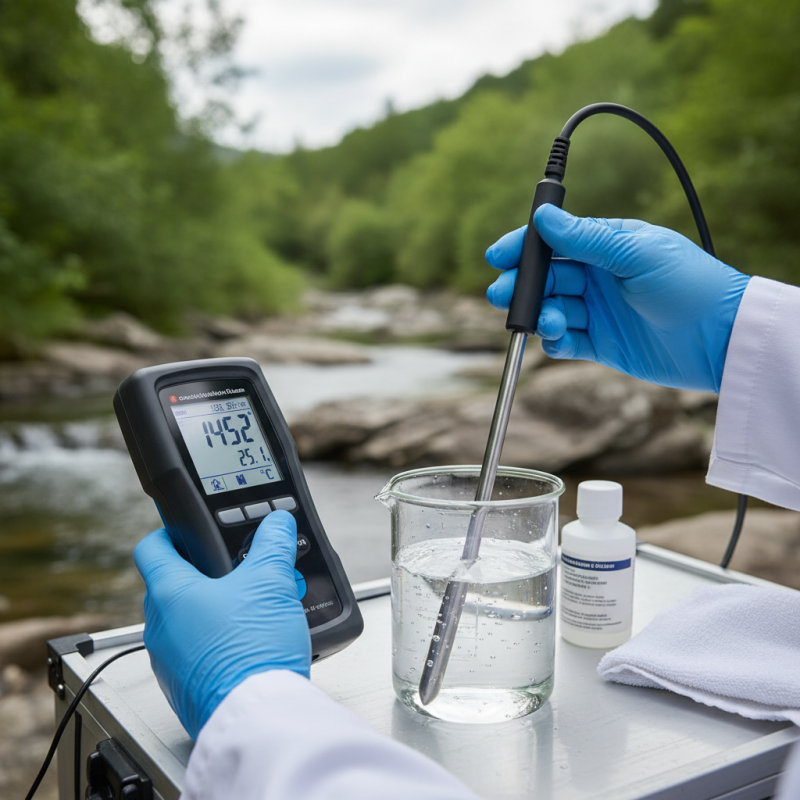
When calibrating, ensure that the meter is clean and free from residues. Rinse the probe with distilled water before starting. This step helps avoid cross-contamination. Take your time when dipping the probe into the calibration solution. Swirl it gently to ensure an accurate reading. Consistency is key here. If the readings fluctuate, something might be off.
After calibration, regularly check your measurements in the field. Variations can occur due to temperature changes or debris on the probe. It’s not uncommon to see unexpected results. Don't panic; this could signal the need for recalibration or maintenance. Always document your findings to spot trends over time. These notes can provide valuable insights for future calibration efforts.
Common Applications of Conductivity Meters in Industries and Laboratories
Conductivity meters play a crucial role in various industries and laboratories. In the water treatment sector, they measure salt concentration. Accurate readings help maintain safe drinking water. In agriculture, conductivity meters assess soil salinity. This ensures optimal growth for crops. Brewing companies also rely on them. They monitor the conductivity of solutions to ensure quality control.
When using a portable conductivity meter, start with calibration. This step ensures accurate results. Rinse the probe with distilled water before use. This avoids contamination from previous samples. Take readings at a consistent temperature. Temperature variations can affect conductivity measurements.
Always record your readings. It helps in tracking trends over time. However, be mindful of potential errors. Not all meters are the same, and readings may vary. Fine-tuning your technique can lead to better accuracy. Consistency in method is key. Various factors like probe condition may also impact results.
Top Tips for Using a Portable Conductivity Meter Effectively
| Application Area |
Typical Conductivity Range (µS/cm) |
Common Uses |
Best Practices |
| Water Quality Testing |
0 - 2000 |
Monitoring drinking water, wastewater treatment |
Calibrate meter regularly, use clean electrodes |
| Aquaculture |
1000 - 5000 |
Maintaining optimal conditions for fish and shrimp |
Test water temperature and salinity along with conductivity |
| Agriculture |
0 - 2000 |
Soil fertility and irrigation water quality |
Conduct tests at various soil depths |
| Chemical Manufacturing |
100 - 20000 |
Monitoring solutions in production processes |
Ensure consistent flow and proper sensor placement |
| Food and Beverage |
50 - 1500 |
Quality control of water used in production |
Use dedicated meters for food applications |
Best Practices for Maintaining and Storing Your Portable Conductivity Meter
When using a portable conductivity meter, maintenance is key. Proper care ensures accurate readings and longevity. Keep your meter in a protective case when not in use. This prevents dust and scratches. Regularly clean the electrodes with distilled water. Using a soft cloth helps maintain their integrity.
Calibration is essential after frequent use. Note any drift in readings. It may indicate that recalibration is necessary. Avoid exposure to extreme temperatures and humidity. These factors can affect sensor accuracy. Store the meter in a stable environment to mitigate these risks.
Don’t forget about battery care. Check power levels before important tests. A low battery can lead to incorrect measurements. Ensure you replace batteries as needed. Following these practices will greatly enhance your experience. Keep a log of maintenance activities. This can help you identify patterns requiring attention in the future.
Top Tips for Using a Portable Conductivity Meter Effectively
This bar chart illustrates the optimal conductivity readings for different types of water sources, highlighting the key ranges for drinking water, tap water, and seawater.
Interpreting Conductivity Readings: Factors Affecting Data Accuracy
When using a portable conductivity meter, understanding the factors that affect data accuracy is crucial. Conductivity readings can be influenced by temperature, ionic strength, and the presence of impurities. According to a study published by the American Society for Testing and Materials (ASTM), temperature can alter conductivity measurements by approximately 2% for every degree Celsius. This means that even small fluctuations in temperature can result in significant variations in readings.
Ionic strength is another pivotal factor. Different ions contribute differently to conductivity. For instance, a solution rich in sodium ions will exhibit higher conductivity than one containing similar levels of magnesium ions. A report from the Water Research Foundation indicates that the presence of dissolved organic materials can also interfere with readings. This interference can lead to inaccuracies that compromise data reliability.
Furthermore, calibration processes are often overlooked. If a meter is not calibrated regularly, the readings could drift over time. It's noted in industry surveys that nearly 30% of users fail to calibrate their meters after each use. This is alarming as it undermines the accuracy of the data collected. Even small errors might compound over time, leading to misleading results. Accurate measurements are essential, especially in environmental monitoring, where decisions hinge on precise data.