10 Essential Tips for Using a Chlorine Colorimeter Effectively
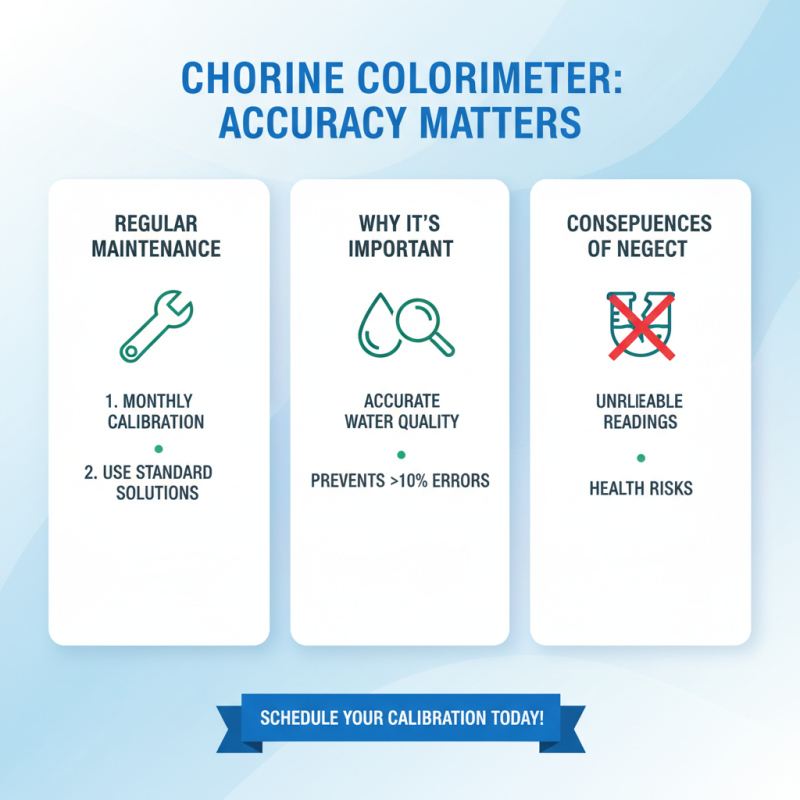
Using a chlorine colorimeter effectively can greatly enhance water testing accuracy. This device measures chlorine levels in various samples. For those new to this technology, there are essential tips to consider. Proper calibration of the chlorine colorimeter is crucial. A well-calibrated device ensures reliable results.
Consistent sample handling is equally important. Avoid variations that could skew data. Each measurement should follow the same procedure. Sometimes, users overlook cleaning the cuvettes properly. Residues can affect readings, leading to frustration. Users must also pay attention to lighting conditions during testing.
Understanding chemical interactions is key. Different substances can influence chlorine detection. This complexity may lead to unexpected results. Reflecting on past experiences can help improve future testing. By following these tips, you can maximize the capabilities of your chlorine colorimeter.
Understanding the Basics of a Chlorine Colorimeter
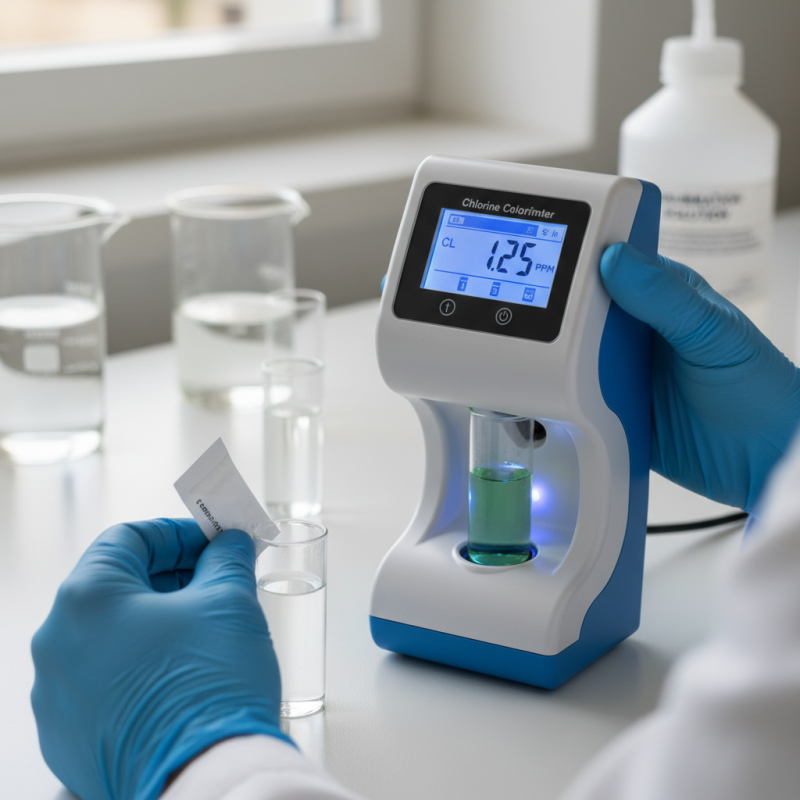
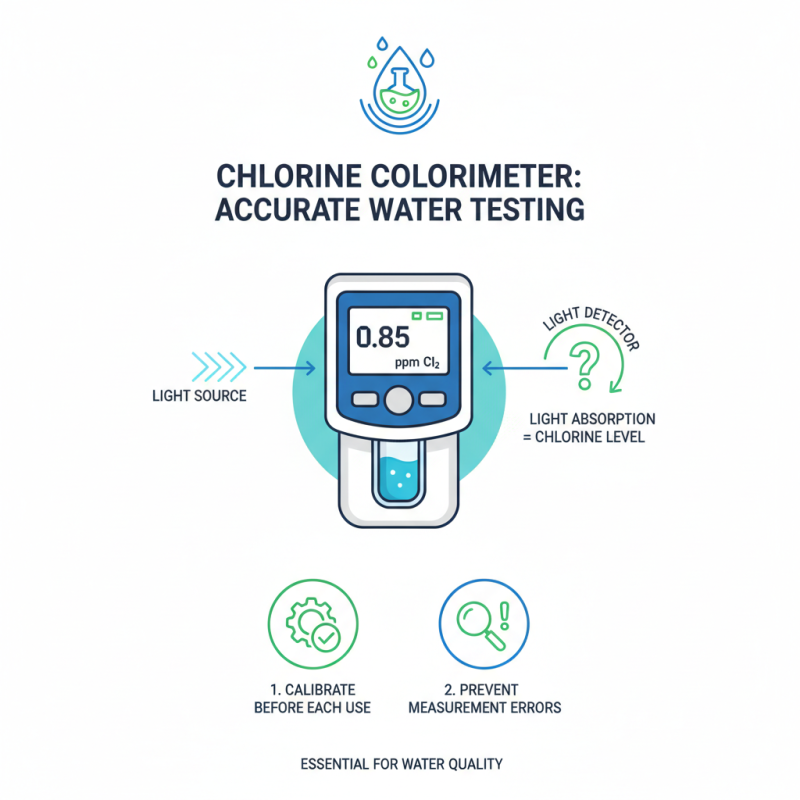
A chlorine colorimeter is an essential tool for measuring chlorine levels in water. Understanding its operation is crucial for accurate results. This device uses light absorption to determine chlorine concentration. A light source emits light through a sample. The amount of light absorbed indicates the chlorine level. Ensure you calibrate the device before each use. Calibration checks prevent errors in measurement.
Proper sample preparation is key. Use clear containers to avoid contamination. Any residue might skew results. Always rinse the sample container with the water you'll test. This simple step can significantly improve accuracy. Pay attention to the temperature of your samples. Temperature variations can affect readings. It’s easy to overlook but can lead to miscalculations.
Be aware that human error plays a role. Even small mistakes can alter results. Make sure to read the device’s instructions closely. If results seem off, double-check your procedure. Maintaining a clean workspace also aids accuracy. Remember, even the best equipment needs careful handling. Regularly reflect on your technique for better outcomes. The more you practice, the more proficient you will become.
Choosing the Right Calibration Standards for Accurate Measurements
When it comes to using a chlorine colorimeter, choosing the right calibration standards is crucial. This ensures you achieve accurate measurements. Start by selecting standards that closely match the expected chlorine levels in your samples. Different sources can introduce varying chlorine concentrations. Mismatch can lead to misleading results.
Tip: Regularly check the expiration dates of calibration standards. Outdated standards can skew your readings. Be mindful that the accuracy of your measurements relies heavily on the quality of these standards. Periodically recalibrate your device.
Another common issue arises from environmental factors. Temperature and light can affect readings. Ensure your workspace is stable. A controlled environment enhances measurement accuracy.
Tip: Clean your colorimeter before each use. Residue can also lead to errors. This small step can make a big difference in your results. Pay attention to detail for the best accuracy.
Proper Sample Preparation Techniques for Chlorine Analysis
When it comes to analyzing chlorine, proper sample preparation is crucial. Ensure you collect samples in clean, contaminant-free containers. Any residue can skew your results. If possible, use glass, as it is less reactive than plastic. After collection, store samples in a cool environment to preserve their integrity. Remember that delays in analysis can lead to changes in chlorine concentration.
Before using a chlorine colorimeter, it’s important to filter your samples. Particulates can cause interference and inaccuracies. A simple paper filter can help eliminate these issues. Additionally, use consistent sample volumes for testing. This uniformity allows for more reliable comparisons. When mixing reagents, double-check the concentrations. Miscalculations can lead to significant errors.
While these steps may seem straightforward, it's easy to overlook them in practice. Many users rush the process, leading to errors. A relaxed approach may yield better results. Take time to reflect before and during the preparation. Are your methods as thorough as they could be? Adjustments may enhance accuracy and efficiency in chlorine analysis.
Chlorine Concentration Levels in Water Samples
Interpreting Colorimeter Readings: Tips for Accurate Results
Interpreting colorimeter readings accurately is vital for reliable results. Always calibrate the device before use. A simple calibration can significantly improve your measurements. Make sure to use the right standards for comparison. Sometimes, even slight variations can lead to incorrect conclusions.
When taking readings, ensure consistent lighting conditions. Variations in light can alter perceived colors. It's also important to allow samples to stabilize. A difference in temperature can affect the results. Always handle samples gently, as agitation can introduce air bubbles. Remember to clean the cuvettes. Any residue left can skew readings.
If results seem off, don't hesitate to retest. It's easy to make mistakes, even with experience. Document your procedures carefully. This helps in reflecting on what might have gone wrong. Anomalies can often reveal patterns that improve future tests. Embrace these moments of imperfection; they can lead to better understanding and accuracy.