10 Essential Tips for Using a Hydrogen Peroxide Test Meter Effectively
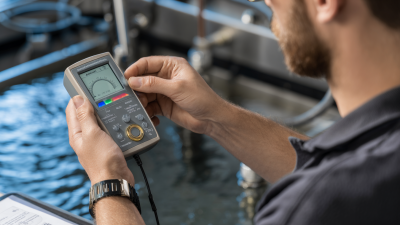
In the ever-evolving field of chemical testing, the hydrogen peroxide test meter has emerged as an essential tool for professionals across various industries. According to Dr. Emily Carter, a leading expert in chemical analysis, "The accuracy and reliability of hydrogen peroxide test meters are critical for ensuring proper concentration levels in applications ranging from food safety to environmental monitoring." With the growing emphasis on maintaining safety standards and regulatory compliance, utilizing a hydrogen peroxide test meter effectively can greatly enhance operational efficiency and product integrity.
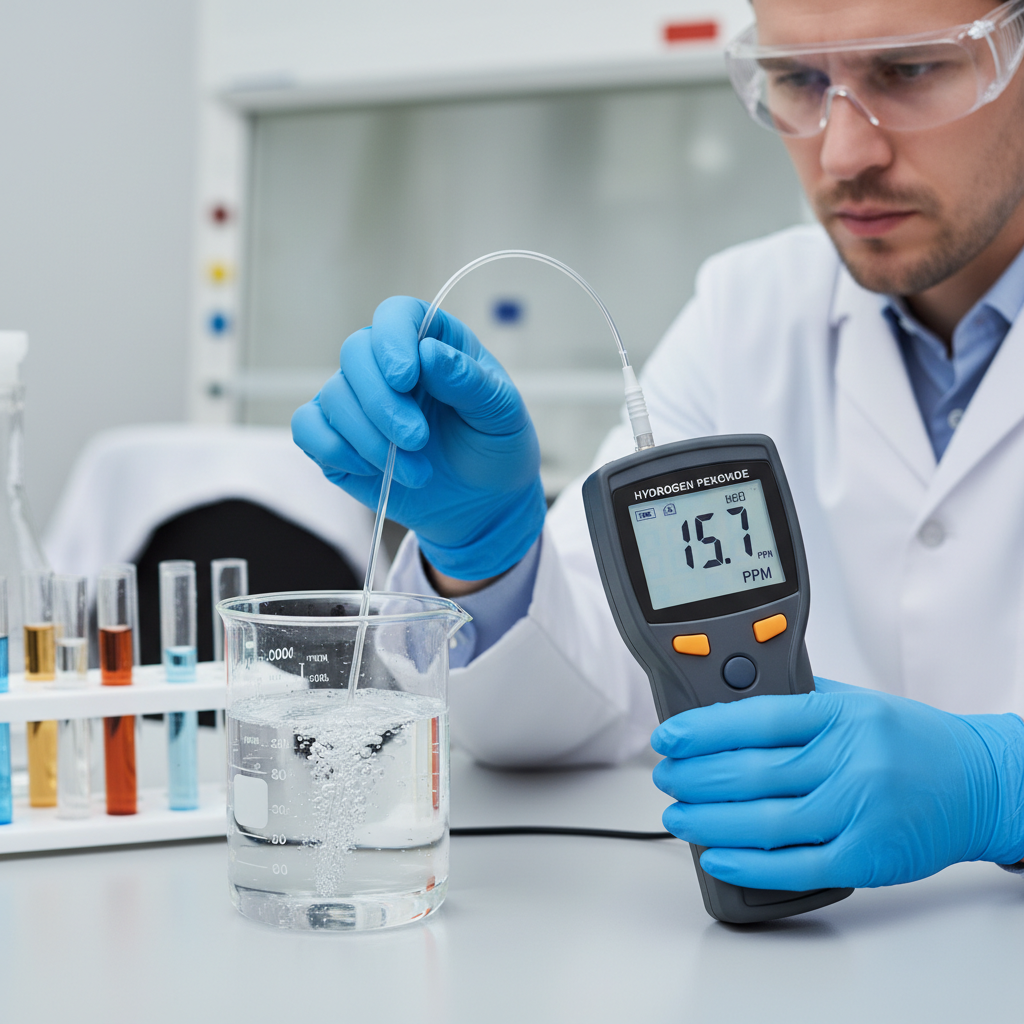
This article presents ten essential tips to maximize the functionality of hydrogen peroxide test meters. These insights aim to empower users, whether they are in laboratories, manufacturing facilities, or fields requiring precise chemical handling. Understanding the best practices in using these meters not only improves measurement accuracy but also ensures safety and compliance with industry guidelines. As we delve into these top strategies, it’s clear that becoming proficient in using a hydrogen peroxide test meter is crucial for anyone committed to excellence in their field.
Choosing the Right Hydrogen Peroxide Test Meter for Your Needs
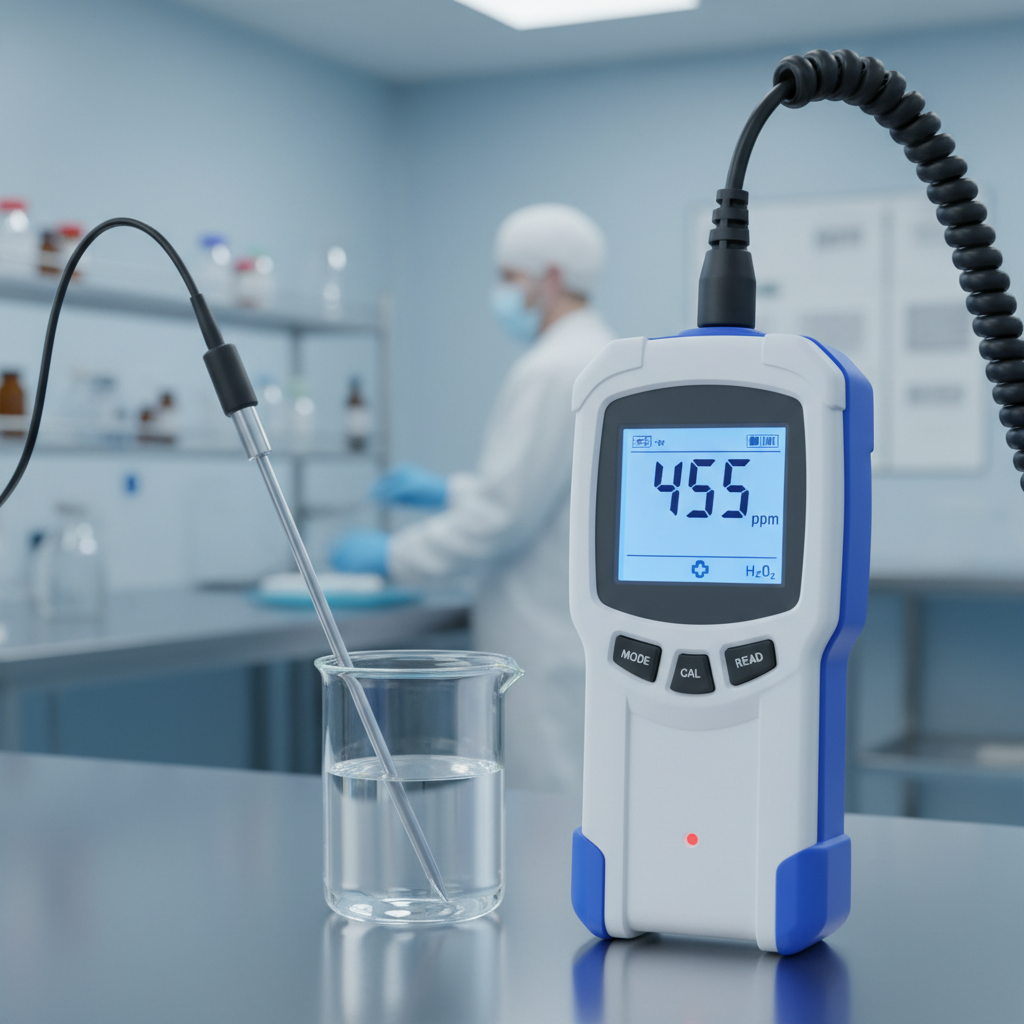
When selecting a hydrogen peroxide test meter, it’s crucial to consider the specific requirements of your application. Different sectors, including healthcare, food processing, and water treatment, necessitate varying levels of measurement precision and sensitivity. For instance, the American National Standards Institute (ANSI) emphasizes that accuracy in hydrogen peroxide detection is particularly critical in medical environments, where inadequate disinfection can lead to serious infections. Therefore, a meter with a detection range of 0-500 ppm may be essential for healthcare facilities to ensure proper sterilization processes.
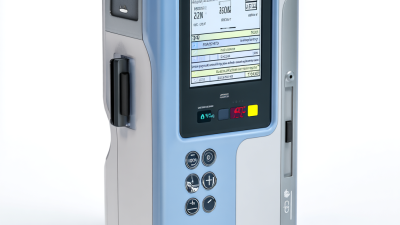
Moreover, user-friendly features such as digital displays and automatic calibration can greatly enhance usability, especially in fast-paced work environments. A study published in the International Journal of Environmental Research highlighted that operators often favor meters that require minimal training yet deliver reliable results under different conditions. Choosing a test meter that aligns with user skill levels and operational demands not only improves measurement efficiency but also ensures compliance with industry standards. Thus, thoroughly assessing the features and capabilities of hydrogen peroxide test meters helps in selecting the right tool for effective monitoring and safety assurance.
Understanding the Importance of Calibration in Accuracy
Calibration is a critical factor in ensuring the accuracy of a hydrogen peroxide test meter. Without proper calibration, the readings obtained can be misleading, potentially leading to incorrect conclusions or decisions in various applications, whether in disinfection processes or industrial settings. Regularly calibrating the meter against known standards ensures that it accurately reflects the concentration levels of hydrogen peroxide in the tested samples. This process not only enhances the reliability of the measurements but also maintains the integrity of the testing procedure.
Moreover, understanding the science behind calibration can improve user confidence in interpreting results. Calibration compensates for potential drift in the meter's readings over time, ensuring that any environmental factors or device wear do not compromise data quality. It is advisable to establish a routine calibration schedule, particularly in environments with fluctuating temperatures or other variable conditions. By prioritizing calibration, users can ensure the longevity and precision of their hydrogen peroxide test meters, ultimately facilitating more effective monitoring and analysis.
Proper Techniques for Sample Collection and Handling
When utilizing a hydrogen peroxide test meter, proper sample collection and handling techniques are pivotal to obtaining reliable results. According to a report by the American Water Works Association, errors in sample collection can lead to misleading data, potentially affecting water quality assessments. Always use clean, sterilized containers to prevent contamination. Avoid touching the inside of the container or the sensor of the meter, as even small amounts of residue can skew the readings.
In addition to cleanliness, timing plays a crucial role in sample handling. For accurate hydrogen peroxide measurements, samples should ideally be analyzed within 15 minutes of collection. Delays can result in the degradation of hydrogen peroxide levels, thus invalidating your test results. Use a consistent and quick sampling method to gather and transport samples efficiently.
Lastly, ensure that you calibrate your hydrogen peroxide test meter regularly, as even minor deviations can lead to inaccurate readings. A regular maintenance schedule, as recommended by the manufacturer, can significantly enhance the precision of your measurements. As per the Environmental Protection Agency, maintaining calibration every 30 days can reduce potential inaccuracies by up to 20%, thus providing confidence in your water quality evaluations.
Hydrogen Peroxide Test Meter Data Analysis
Interpreting Test Results: What You Need to Know
When using a hydrogen peroxide test meter, interpreting test results is crucial for ensuring accuracy and reliability. First, it’s important to understand the range of readings that your specific meter can provide. Typically, hydrogen peroxide levels in various applications should be measured in parts per million (ppm). Familiarizing yourself with the expected concentration levels for your particular use—whether it’s for disinfection, agriculture, or another purpose—will allow you to quickly assess if the readings align with your needs.
Additionally, consider environmental factors that may influence your test results. Temperature, pH, and other chemical interactions can affect the efficacy of hydrogen peroxide, leading to fluctuating meter readings. Always perform multiple tests and average the results for a more accurate picture. If results seem inconsistent, check the calibration of your meter and ensure that the testing environment is stable. By being mindful of these factors, you can make informed decisions based on your hydrogen peroxide test results and utilize the meter more effectively.
Maintaining Your Test Meter for Long-Term Reliability
To ensure the long-term reliability of your hydrogen peroxide test meter, regular maintenance is key. Start by cleaning the meter after each use to prevent residue build-up that could affect readings. Use a soft cloth and a suitable cleaning solution recommended by the manufacturer. Additionally, check the calibration periodically; an uncalibrated meter can lead to inaccurate results. Following the manufacturer's guidelines for calibration will help maintain the precision of your measurements.
When storing the test meter, keep it in a cool, dry place away from direct sunlight and extreme temperatures. It's also advisable to protect the meter with a case to safeguard it against physical damage. Regularly inspect the electrodes for any signs of wear and tear, and replace them as specified by the manufacturer. Proper maintenance not only extends the life of your test meter but also ensures you consistently obtain reliable data.
Adopting best practices can enhance your experience as well. For instance, always perform a quick test of the meter against a known standard before conducting tests on your samples. This simple tip can reassure you of your meter's accuracy, making your results more dependable.
10 Essential Tips for Using a Hydrogen Peroxide Test Meter Effectively - Maintaining Your Test Meter for Long-Term Reliability
| Tip Number |
Tip Description |
Frequency of Maintenance |
Expected Outcome |
| 1 |
Calibrate your meter regularly. |
Monthly |
Increased accuracy |
| 2 |
Use distilled water for cleaning. |
After each use |
Prevent contamination |
| 3 |
Store in a cool, dry place. |
Continuous |
Prolonged lifespan |
| 4 |
Check battery level periodically. |
Bi-weekly |
Consistent performance |
| 5 |
Avoid exposure to direct sunlight. |
Continuous |
Reduced degradation |
| 6 |
Replace worn-out probes immediately. |
As needed |
Improved measurement reliability |
| 7 |
Thoroughly read the user manual. |
Before first use |
Correct operation |
| 8 |
Document all readings for future reference. |
Every use |
Traceability |
| 9 |
Perform regular quality control checks. |
Monthly |
Confidence in results |
| 10 |
Consult technical support for issues. |
As needed |
Timely resolutions |