How to Use Hach Chlorine Pocket Colorimeter for Accurate Water Testing
In the ever-evolving field of water quality testing, the Hach Chlorine Pocket Colorimeter has emerged as a powerful tool for precise measurement of chlorine levels in various water sources. According to Dr. Emily Carter, a renowned water quality analyst and expert in the field, "The Hach Chlorine Pocket Colorimeter not only simplifies the testing process but ensures accuracy that is crucial for maintaining water safety." This device enables users to conduct quick and reliable chlorine tests, making it an indispensable instrument for professionals in water management and environmental monitoring.
The significance of accurate water testing cannot be overstated, especially in ensuring public health and environmental protection. With the Hach Chlorine Pocket Colorimeter, users can obtain consistent results, thus empowering them to make informed decisions regarding water treatment and safety protocols. As the demand for reliable water quality testing continues to grow, utilizing cutting-edge technology like the Hach Chlorine Pocket Colorimeter is vital for achieving optimal water quality and compliance with safety standards. In this article, we will explore the essential steps and best practices for effectively using this innovative colorimeter to enhance water testing accuracy and reliability.
How Hach Pocket Colorimeter Works for Chlorine Testing
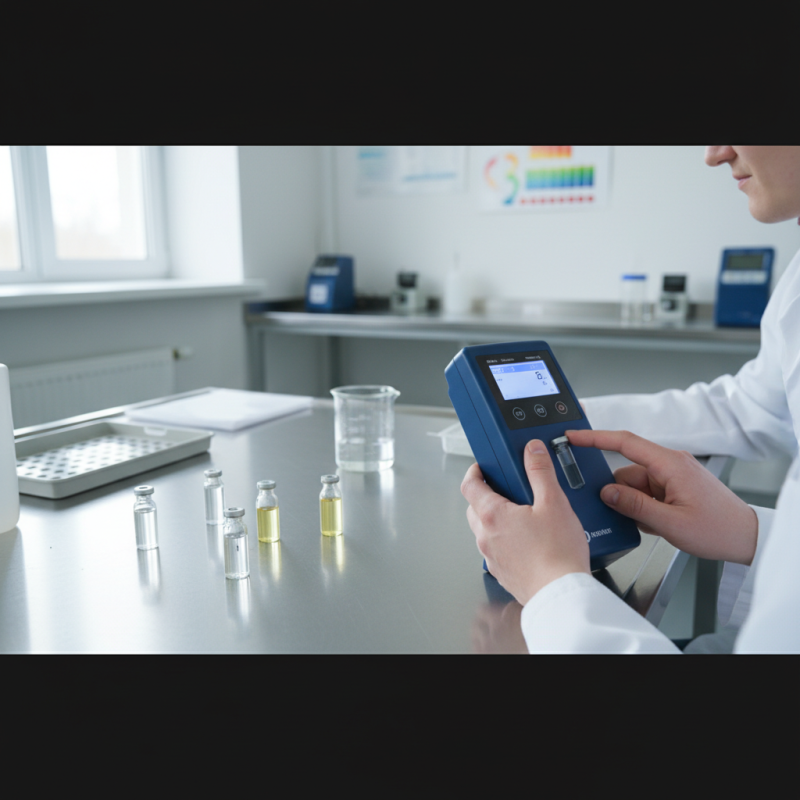
The use of pocket colorimeters in water testing has gained significant popularity due to their precision and ease of use, particularly when measuring chlorine levels. These instruments operate based on the principles of colorimetry, where the concentration of a substance is determined by measuring the absorbance of light at specific wavelengths. For chlorine testing, these devices utilize reagents that react with free chlorine to produce a distinct color change. The intensity of this color is then measured by the colorimeter using a light sensor, providing a direct correlation to the chlorine concentration in water samples.
According to the Environmental Protection Agency (EPA), maintaining optimal chlorine levels in drinking water is crucial for public health, as it effectively eliminates pathogens and prevents waterborne diseases. The recommended range for free chlorine in drinking water is between 0.2 to 4.0 mg/L. However, achieving and maintaining this balance can be challenging, especially in varying water conditions.
The accuracy of pocket colorimeters, often capable of detecting chlorine levels as low as 0.01 mg/L, makes them essential tools for water quality monitoring in both municipal and private settings. Recent studies have indicated that utilizing these devices can help reduce errors in field testing, with some reports showing an increase in detection reliability by up to 30% compared to traditional testing methods. This enhanced accuracy leads to better compliance with health standards and ensures the safety of water supplies.
Key Features of Hach Chlorine Pocket Colorimeter Explained
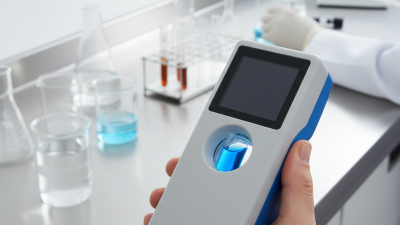
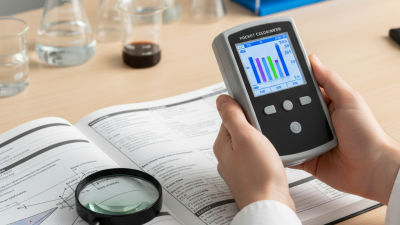
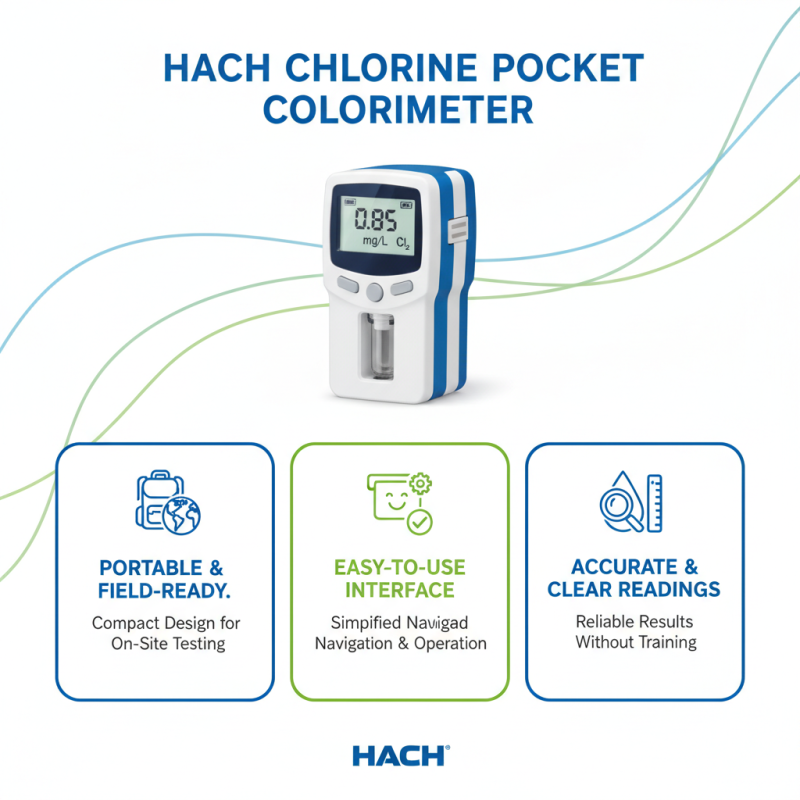
The Hach Chlorine Pocket Colorimeter is designed with several key features that enhance its usability and precision in water testing. Its compact design allows for easy portability, making it ideal for field use or quick testing in various environments. Equipped with a user-friendly interface, the device simplifies the testing process, allowing users to easily navigate through its functions and obtain clear, accurate readings without extensive training.
Another significant feature of the colorimeter is its advanced optical system, which ensures precise color detection and measurement. By employing specific wavelengths of light, it minimizes interference and increases the accuracy of chlorine concentration readings. Furthermore, the device includes a built-in calibration function, which guarantees consistent performance over time. This feature is essential for maintaining reliability in water quality assessments, providing peace of mind that results will be trustworthy. The combination of portability, an intuitive interface, and advanced optical capabilities makes this instrument an essential tool for anyone needing accurate water testing on the go.
Step-by-Step Guide to Prepare Water Samples for Testing
To prepare water samples for testing with a pocket colorimeter, it is essential to follow a structured approach to ensure accurate and consistent results. Begin by collecting the water sample in a clean, transparent container to avoid contamination. It is recommended to rinse the container with the sample water before filling it to eliminate any residual contaminants. Make sure to label the containers appropriately if multiple samples are being tested.
Once the sample is collected, allow it to settle for a few minutes to let any suspended particles drift to the bottom. This is crucial for obtaining a clear sample free of debris that might affect the colorimeter's readings. If necessary, you can gently swirl the container to disperse any particles without causing excessive agitation. After that, pour a specific volume of the settled water into the colorimeter's sample vial, ensuring that the vial is filled to the required level indicated in the device's manual.
Next, it's vital to ensure that there is no smudging or fingerprints on the exterior of the vial, as this can interfere with light measurement within the colorimeter. Following these preparation steps will help you achieve precise readings, thus enhancing the reliability of your water quality assessment.
How to Use Hach Chlorine Pocket Colorimeter for Accurate Water Testing
| Step |
Description |
Required Equipment |
Time Required |
| 1 |
Collect water sample in a clean container. |
Clean container |
5 minutes |
| 2 |
Add reagent to the water sample as per instructions. |
Reagents |
2 minutes |
| 3 |
Let the sample react for the specified time. |
Timer |
10 minutes |
| 4 |
Insert the water sample into the colorimeter and initiate the measurement. |
Colorimeter |
5 minutes |
| 5 |
Record the reading displayed on the colorimeter. |
Notebook or data entry system |
2 minutes |
Understanding Calibration Procedures for Accurate Readings
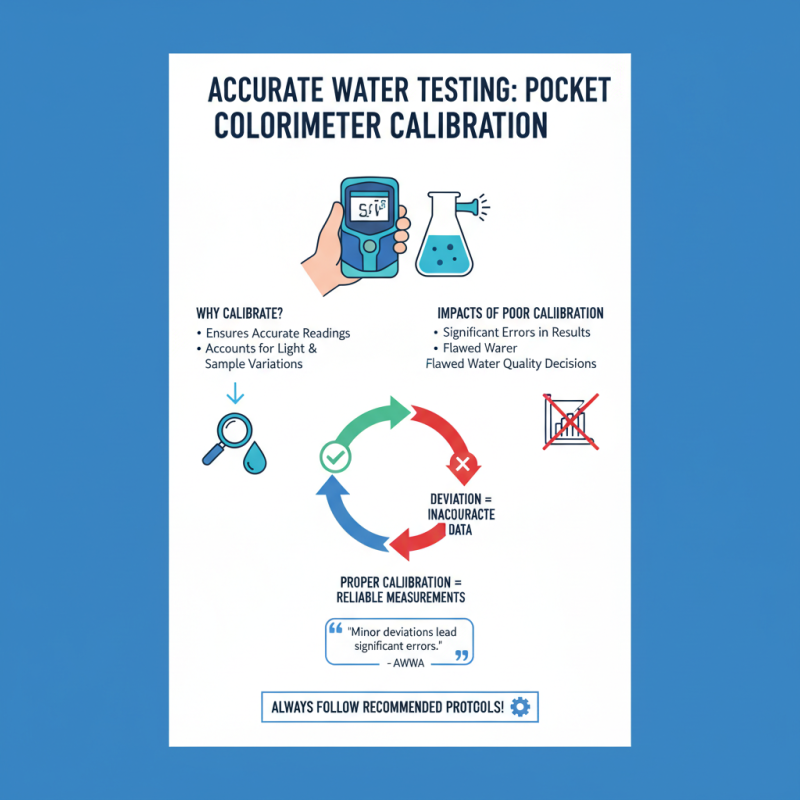
Calibration is a crucial procedure for ensuring accurate readings when using a pocket colorimeter for water testing. Proper calibration adjusts the sensor of the colorimeter to account for variations in light and sample characteristics, leading to reliable measurement of parameters like chlorine levels. According to the American Water Works Association, even minor deviations in calibration can result in significant errors in concentration readings, which can affect water quality assessments and subsequent treatment decisions. Therefore, it is imperative to follow the recommended calibration protocols meticulously.
To begin the calibration process, prepare a series of standard solutions with known concentrations of the target analyte. These standards are essential as they establish a reference point for the measurements. Studies indicate that using at least three calibration points can enhance the accuracy of the readings, as it helps create a reliable calibration curve. Additionally, it is recommended to calibrate the instrument at the beginning of each testing day and after significant temperature changes, as external factors can influence the colorimeter’s performance. Regular calibration checks not only improve measurement precision but also extend the life of the instrument, ensuring consistent and dependable results in water testing for various applications.
Interpreting Results: Threshold Levels for Safe Chlorine Concentration
Understanding safe chlorine concentration levels is crucial for maintaining water quality in various settings, from swimming pools to drinking water supplies. Generally, safe chlorine levels in drinking water should be between 0.2 to 4.0 parts per million (ppm), depending on local guidelines. In swimming pools, the ideal range is typically between 1.0 to 3.0 ppm to effectively eliminate pathogens while ensuring a comfortable swimming environment. Regular testing using a reliable colorimeter can help you stay within these thresholds, ensuring safety for everyone who uses the water.
When interpreting results, consider factors such as the type of water being tested and the specific conditions at the time of testing. For instance, higher temperatures and sunlight exposure can increase chlorine demands in swimming pools, which may require adjustments. Additionally, if results indicate chlorine levels below the recommended thresholds, it may signal a need for supplementary chlorine to ensure effective disinfection. Conversely, if levels exceed the recommended limits, it may necessitate dilution or waiting for the chlorine to dissipate before use.
**Tips:** Always calibrate your colorimeter regularly for the most accurate readings, and ensure you follow the manufacturer's guidelines for sample handling. When testing, take multiple samples from different points in the waterbody for comprehensive results. If you consistently see fluctuating readings, consider conducting more frequent tests during peak usage times to better gauge chlorine demand.