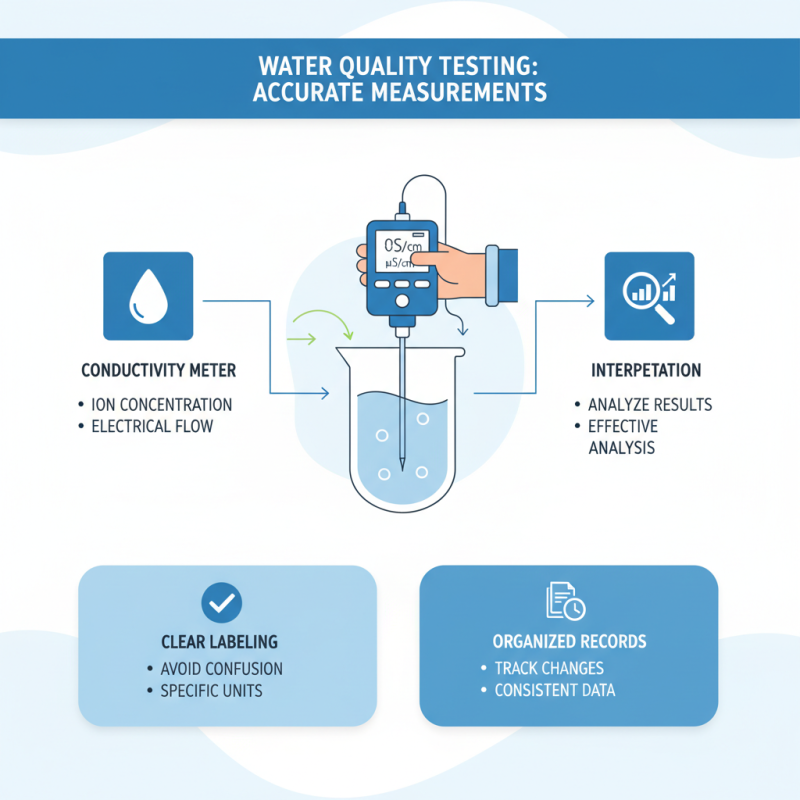
How to Use the Hach HQ14D Conductivity Meter Manual for Accurate Measurements?
Accurate measurements are crucial in various industries. One essential tool for ensuring precision is the Hach HQ14D conductivity meter. Understanding how to use this device effectively is vital. The Hach HQ14D Conductivity Meter Manual serves as a valuable resource for users. This manual can guide you through the correct procedures.
Using the Hach HQ14D is not as straightforward as it seems. Familiarizing yourself with the manual is key. It contains detailed instructions and troubleshooting tips. Users often overlook these important sections. This lack of attention can lead to inaccurate results.
Take time to understand the calibration process outlined in the Hach HQ14D conductivity meter manual. Proper calibration ensures accurate readings. The manual also explains maintenance tips to prolong the device’s life. Don’t skip these essential details. Using this meter efficiently requires practice. In some cases, users may still struggle despite following the guide. Consider experimenting with different solutions to enhance understanding.
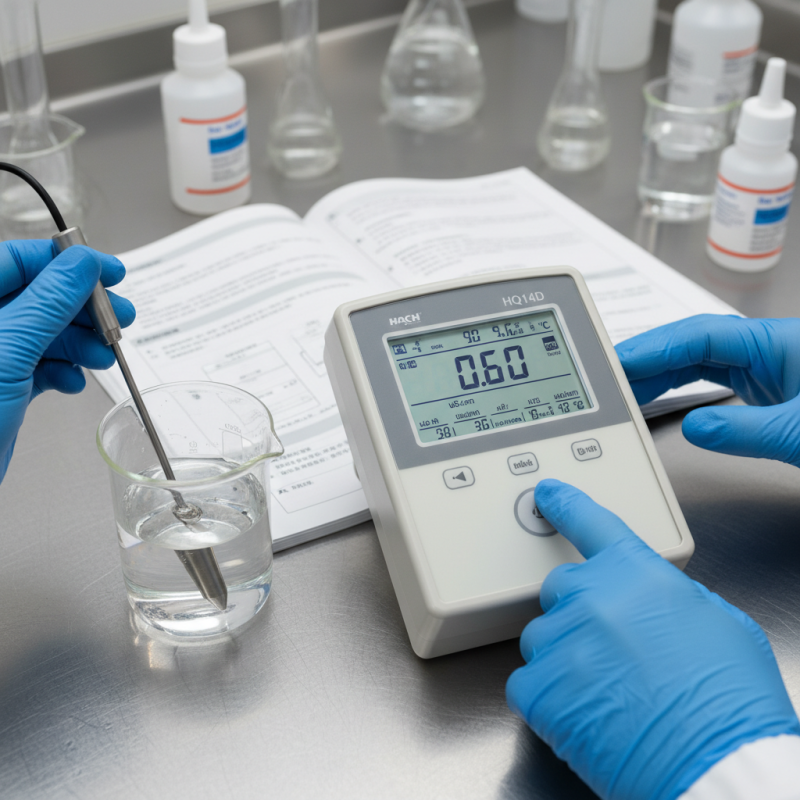
Understanding the Hach HQ14D Conductivity Meter Features
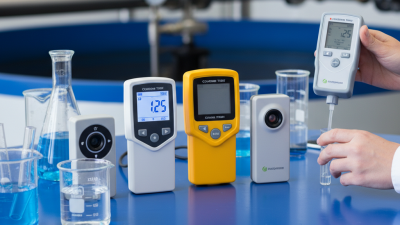
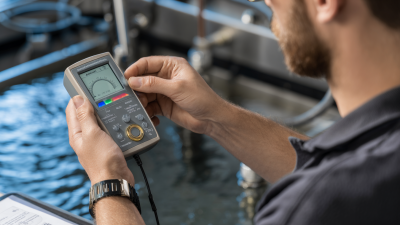
The Hach HQ14D Conductivity Meter offers several advanced features that make accurate measurements easier. Its user-friendly interface allows seamless navigation through options. The meter has a durable design, suitable for various environments, ensuring it can handle rigorous fieldwork. This versatility is crucial for environments with fluctuating conditions.
Data accuracy is paramount. The HQ14D utilizes digital signal processing for precise readings. Studies indicate that even minor deviations in calibration can lead to significant errors. Regular calibration is critical for maintaining accuracy, particularly when measuring low conductivity levels. The meter provides alerts for calibration, enhancing user reliability and accountability.
Tips for enhancing accuracy: always rinse the probe with distilled water before use. This prevents cross-contamination. After measurements, clean the probe with a suitable cleaning solution to maintain performance. Additionally, avoid measuring in extreme temperatures. This influences conductivity readings.
The HQ14D also supports various sensor types. Users can switch between sensors for different applications. However, it's essential to remember that not all sensors behave the same. Thoroughly understanding each sensor's calibration guidelines is necessary. This might require some trial and error, but it can lead to improved outcomes over time.
Conductivity Measurements Over Time
Preparing the Meter for Accurate Conductivity Measurements
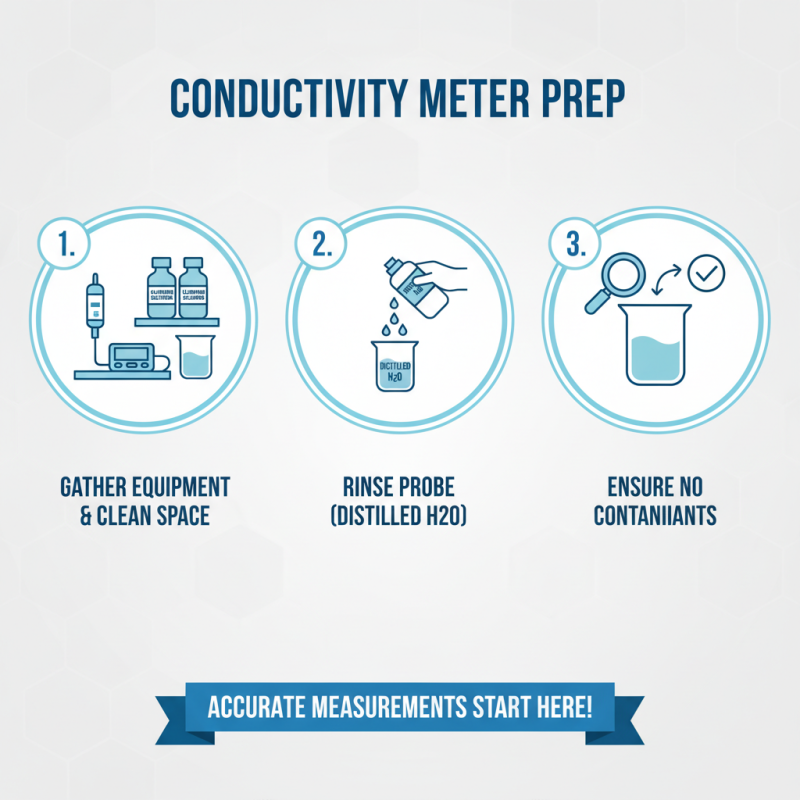
To ensure precise conductivity measurements, preparing the meter correctly is crucial. Begin by gathering all necessary equipment, including the meter, calibration solutions, and a clean workspace. Rinse the probe gently with distilled water. This step is often overlooked, but it ensures no contaminants affect your results.
Next, calibrate the meter with standard solutions. Follow the instructions provided in the manual closely. Calibration is not trivial; it directly impacts measurement accuracy. After calibration, check the meter's settings. The temperature settings should match the conditions of your sample. Small discrepancies can lead to significant errors.
Remember to maintain the meter after use. Clean the probe carefully to avoid buildup. Regular maintenance is often neglected, but it's essential for longevity and reliability. Reflect on your measurement process each time. Identifying areas for improvement can lead to consistently accurate results.
Calibrating the Hach HQ14D for Optimal Performance
Calibrating a conductivity meter is crucial for obtaining precise measurements. To begin with, ensure the meter is clean and free from residue. Before calibration, clean the probe with distilled water. This removes contaminants that can affect the reading.
Use calibration standards to adjust the meter accurately. Follow the instructions in the manual carefully. Always calibrate at multiple points if possible. This helps ensure that the meter responds well across its range. Store calibration solutions in a designated, cool place to maintain their integrity.
Tips: Regular calibration increases measurement reliability. Don’t skip routine checks on the meter’s performance. Keep a calibration log for reference. If something feels off, don’t hesitate to re-evaluate your process. Calibration can feel tedious, but it's vital for accurate results. Take a moment to reflect on past measurements. Have they always been as expected?
How to Use the Hach HQ14D Conductivity Meter Manual for Accurate Measurements? - Calibrating the Hach HQ14D for Optimal Performance
| Calibration Step |
Measurement Type |
Expected Value (µS/cm) |
Tolerance (+/-) |
Notes |
| Step 1: Prepare Standards |
Conductivity Standard Solution |
1413 µS/cm |
±10% |
Use fresh standard solutions |
| Step 2: Power On Meter |
N/A |
N/A |
N/A |
Ensure batteries are charged |
| Step 3: Calibrate Sensor |
Calibration Solution |
84 µS/cm |
±5% |
Follow manufacturer instructions |
| Step 4: Rinse Probe |
Cleaning Procedure |
N/A |
N/A |
Use distilled water |
| Step 5: Final Readings |
Final Solution Measurement |
Expected based on solutions |
Varies |
Record and compare values |
Step-by-Step Guide to Conductivity Measurement
To measure conductivity accurately using the meter, you must prepare the device properly. Start by calibrating the meter with standard solutions. Use fresh calibration standards that match your expected sample range.
Rinse the probe carefully with distilled water before each measurement. This prevents contamination. Remember that even small residues affect the readings.
After calibration, dip the probe into the sample solution. Ensure that the probe is fully submerged but not touching the container's sides or bottom. Wait for the reading to stabilize. This can take several seconds.
If it jumps around, the probe may need cleaning or the sample might be too dirty. Unstable readings indicate issues that must be resolved.
While using the meter, maintain a consistent temperature for more precise results. Temperature variations can impact conductivity values. Document each measurement cautiously, noting conditions and any anomalies.
Reflect on your approach. Are you following the guidelines closely? Small overlooked details can lead to significant discrepancies in data quality.