Best Hach HQ14D Conductivity Meter Manual Guide for Beginners
The Hach HQ14D Conductivity Meter is a valuable tool for beginners in water quality measurement. Understanding its functionalities can be daunting. This Hach HQ14D Conductivity Meter manual provides essential insights. It serves both as a guide and a reference point for beginners navigating their first steps in using this instrument.
Getting familiar with the features of the Hach HQ14D is crucial. The clarity in instructions helps eliminate confusion. However, users may still find certain aspects tricky. Calibration is one area where many struggle. By closely following the manual’s guidelines, users can improve their accuracy. This meter’s performance depends greatly on proper use.
The reliability of data hinges on understanding the functions described in the manual. Many beginners overlook maintenance tips, which can lead to errors. Adjusting to using this meter might take time. Users should embrace the learning curve and remain patient. Ultimately, this manual seeks to empower users to enhance their water quality testing process with confidence.
Understanding Conductivity Measurement: The Hach HQ14D Overview
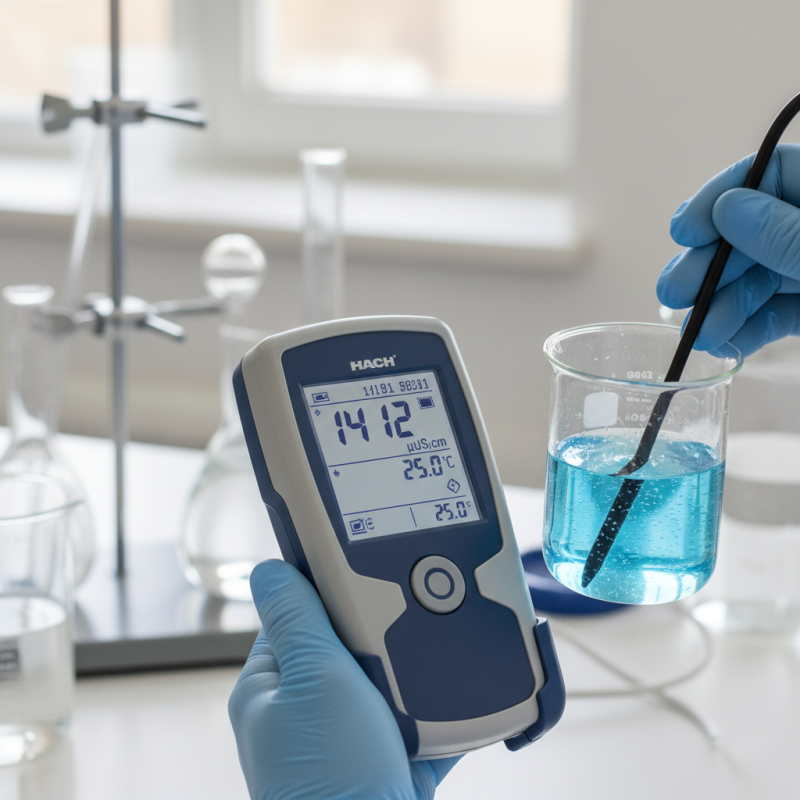
Measuring conductivity is crucial in various fields. The Hach HQ14D is a popular choice for beginners. Understanding its features can enhance your measurement accuracy and reliability.
Conductivity reflects the ability of water to conduct electricity, which varies with temperature and the concentration of electrolytes. According to a 2021 report from the American Water Works Association, accurate conductivity measurements are essential for monitoring water quality. An ideal range for drinking water is typically between 50 to 500 µS/cm. Values exceeding this indicate potential contamination or the need for further testing.
Using the Hach HQ14D involves understanding its display and calibration process. Improper calibration can lead to inaccurate readings. It's recommended to recalibrate after every few measurements. Calibration standards, often provided with the device, help achieve optimal accuracy. However, beginner users sometimes overlook this step, leading to inconsistent data. Regular maintenance and proper cleaning of the sensor are also key points often neglected. These factors can significantly affect the performance and longevity of the instrument.
Key Features of the Hach HQ14D Conductivity Meter Explained
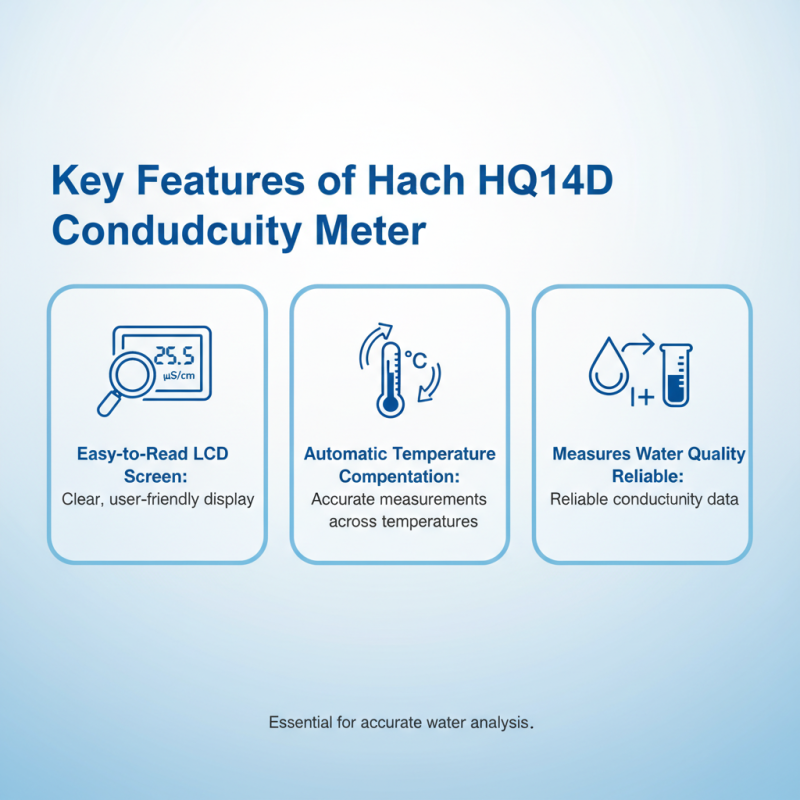
The Hach HQ14D conductivity meter is a vital tool for measuring water quality. It offers various key features that enhance its usability and accuracy. One notable aspect is its easy-to-read LCD screen. The display provides clear readings, making it user-friendly for beginners. Another feature is its automatic temperature compensation. This ensures accurate measurements across different temperature ranges.
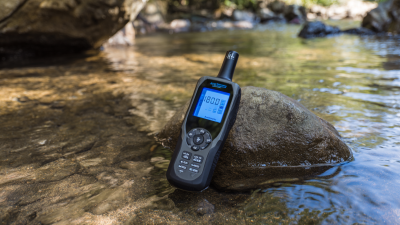
The meter also boasts a robust design, which is essential for fieldwork. A durable casing protects it from accidental drops and impacts. However, some users may struggle with calibration procedures. Proper calibration is crucial for reliable results. Investing time in learning the calibration process is necessary for optimal performance.
Additionally, the device displays real-time conductivity readings. This feature helps users monitor changes immediately. However, interpreting these changes can be challenging without a solid background in water chemistry. Understanding how factors like salinity can affect conductivity is vital. Engaging in additional research can enhance the user's experience and expertise with the meter.
Calibration Procedures for Accurate Measurements with Hach HQ14D
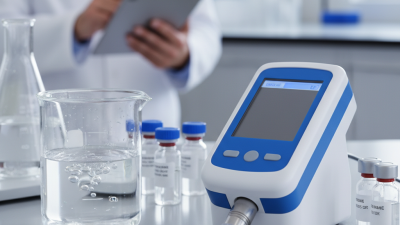
Calibration is crucial for achieving accurate measurements with any conductivity meter, including the Hach HQ14D. Before starting calibration, ensure you have clean, distilled water and appropriate calibration standards. Rinse the electrode with distilled water to avoid contamination. This step may seem minor, but it significantly impacts results.
To begin calibration, immerse the electrode in the first calibration solution. Allow it to stabilize. This can take time, so be patient. Once readings stabilize, adjust the meter to match the solution’s conductivity value. Repeat this process with a second standard for best results.
After calibration, it's important to regularly check the meter’s performance. Sometimes results can deviate from expectations, which might signal a need for recalibration. Frequent maintenance is crucial in ensuring ongoing accuracy. Calibration should not feel like a one-time event but part of your routine. Every measurement contributes to the reliability of your data. Each time you perform this procedure, reflect on past results to identify patterns or anomalies, enhancing your overall understanding of the instrument's behavior.
Interpreting Conductivity Readings: Industry Standards and Best Practices
Understanding conductivity readings is essential for various industries. Conductivity measures a liquid's ability to conduct electric current, indicating the presence of dissolved salts and minerals. This measurement is crucial for water quality assessment, agriculture, and industrial processes.
Different industries have established standards for interpreting these readings. For example, drinking water should typically have a conductivity level below 500 µS/cm. Higher values might indicate contamination or excessive minerals. In aquaculture, conductivity levels ensure a healthy environment for aquatic life. Regular calibration of your meter is important for accurate readings.
However, interpreting these values can sometimes be misleading. Different factors can influence conductivity readings. Temperature, for instance, can significantly affect measurements. A higher temperature often leads to higher conductivity. It's vital to consider environmental conditions while analyzing these readings. Awareness of these variables is key to making informed decisions based on conductivity measurements.
Maintenance Tips for Longevity of Hach HQ14D Conductivity Meter
When using the Hach HQ14D conductivity meter, proper maintenance is crucial for longevity. Regular calibration helps ensure accurate measurements. According to industry standards, drifting accuracy can lead to errors of 5% or more. Routine checks every few weeks can minimize this issue.
Cleaning the electrode is essential. Rinse it with distilled water after each use. This practice prevents contamination and buildup. A dirty electrode can increase response time and skew results. In some cases, a sluggish response can affect entire readings.
Storing the meter in a suitable environment also matters. High humidity or extreme temperatures can degrade performance. A controlled climate helps maintain the integrity of the device. Keeping the user manual handy encourages proper usage. It serves as a constant reminder of essential maintenance tasks. Remember, neglecting these details can reduce the lifespan of your meter significantly.
Conductivity Measurements Over Time