Why You Need a Portable TDS Meter for Water Quality Testing
In recent years, water quality testing has become more critical than ever. Recent studies indicate that nearly 80% of the world's population faces water scarcity issues. This alarming statistic underscores the importance of ensuring access to clean and safe water. A portable TDS meter is a vital tool for testing water quality. It simplifies the process of measuring Total Dissolved Solids in various water sources.
According to Dr. Sarah Johnson, a leading expert in water quality assessment, "A portable TDS meter provides immediate insights into water safety." This device is invaluable for travelers, hikers, and residents in areas with questionable water supply. Accessible and user-friendly, the portable TDS meter enables individuals to make informed decisions about their drinking water.
However, it's crucial to note that not all portable TDS meters offer the same accuracy. Users must be cautious and select reliable devices. Many people overlook regular calibration, which can lead to inconsistent readings. Understanding these nuances can significantly impact water safety decisions.

Essential Functions of a Portable TDS Meter in Water Testing
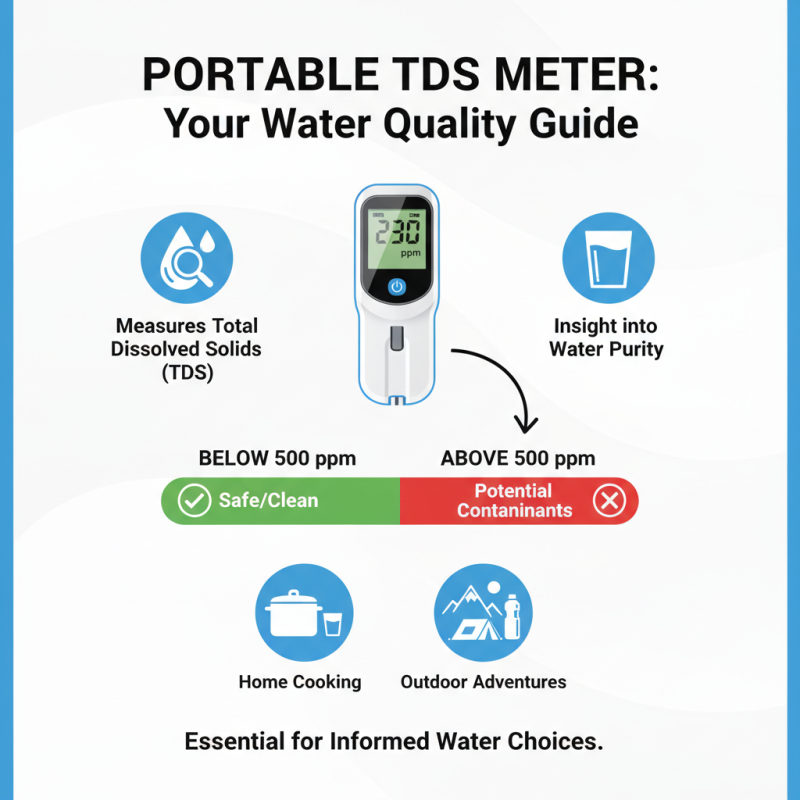
A portable TDS meter is a vital tool for anyone concerned about water quality. It measures Total Dissolved Solids (TDS) in water, providing insight into its purity. This small device can be used in various settings, from home cooking to outdoor adventures. When testing water, a reading above 500 ppm may indicate contaminants. Users should be aware of this threshold.
Understanding TDS levels is crucial for health and safety. Drinking water with high TDS can lead to health issues. A portable meter helps in assessing water from different sources like wells, rivers, or tap water. It’s easy to use and gives quick results. Often, users may question their readings. Variability can occur based on temperature or time since the last calibration.
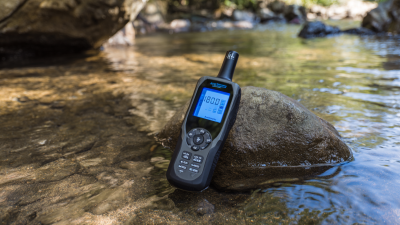
Portability adds convenience to this testing process. Whether you are hiking or staying at a campsite, this tool can fit in your pocket. But, it’s essential to remember that a TDS meter doesn’t identify specific contaminants. Users must reflect on its limitations. Regular maintenance and calibration ensure accuracy. Inaccurate readings can lead to poor water choices.
Understanding Total Dissolved Solids (TDS) and Its Importance
Total Dissolved Solids (TDS) refers to the combined total of inorganic and organic substances in water. This includes minerals, salts, and metals. Understanding TDS is crucial for assessing water quality. High TDS levels can indicate poor water quality, potentially unsafe for consumption. Low levels may suggest clean water, but it is also important to consider what is dissolved in it.
Using a portable TDS meter can help you test water quality quickly. This handy device offers real-time readings. You can check water from various sources: tap, bottled, or well water. Each source may have varying TDS levels. Not all dissolved solids are harmful, but knowing the concentration is key to safety. Sometimes, you may find the TDS levels surprising.
Regular testing can reveal issues. Unexpected readings might prompt further investigation. It encourages deeper thinking about water usage and sustainability. This device helps promote awareness about what we consume. Water quality directly impacts our health, making TDS knowledge essential.
Do you really know what's in your water?
How to Use a Portable TDS Meter for Accurate Measurements
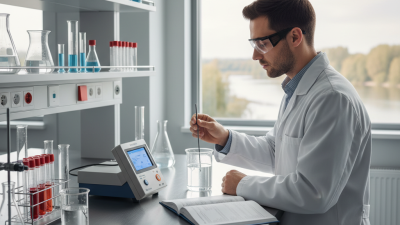
A portable TDS meter is essential for accurate water quality testing. Using it correctly ensures reliable results. To get started, first, turn on the device and calibrate it if needed. Make sure the sensor is clean. Then, fill a clean container with the water sample you wish to test.
Submerge the TDS meter's probe into the water, ensuring it does not touch the sides or bottom of the container. Wait a few seconds for a stable reading. It's important to note that water temperature can affect the measurement. Keep an eye on this factor to avoid misleading results. If the reading seems unusual, reconsider the process you've followed.
Common mistakes include not rinsing the meter properly or using dirty containers. These errors can lead to inaccurate data. Regularly check the calibration of your meter to ensure it remains functional. This practice helps maintain accuracy over time. Don’t hesitate to repeat the test if results are questionable.
Benefits of Regular Water Quality Testing with a TDS Meter
Regular water quality testing is vital for ensuring safe drinking water. A Total Dissolved Solids (TDS) meter provides fast results. The World Health Organization recommends keeping TDS levels below 500 mg/L for optimal taste and safety. High levels can indicate contaminants like heavy metals and minerals.
Using a portable TDS meter helps monitor water quality regularly. Data from the U.S. Environmental Protection Agency shows that nearly 20% of our country's water systems do not meet safety standards. Without testing, harmful substances may go unnoticed. Checking your water source every few weeks can reveal fluctuations in quality.
It's essential to remember that not all changes indicate a problem. Sometimes, natural sediment can cause spikes in TDS readings. However, regular checks allow for proactive management of water quality. Awareness of these values can also guide decisions on filtration systems. People often overlook the importance of routine testing, leading to unplanned health risks.
Water Quality Testing: TDS Levels in Different Sources
This chart demonstrates TDS (Total Dissolved Solids) levels in various water sources. Regular testing with a portable TDS meter is essential for monitoring water quality and ensuring safety for consumption.
Comparing Different Types of Portable TDS Meters Available in the Market
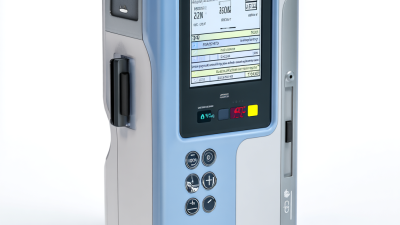
Portable TDS meters have become essential tools for assessing water quality. With various types available, choosing one can be challenging. Basic models are often compact and user-friendly. They provide quick readings but may lack advanced features. Advanced meters often include temperature compensation. This ensures accuracy in various conditions. Some also allow data storage, which can prove useful for tracking changes over time.
When comparing different models, consider functionality. A simple meter is light and easy to carry. However, it might not provide in-depth data. Professional-grade meters can be more complex. They often come with detailed manuals but can overwhelm new users. Price is another factor, as budget can limit options. Not all expensive models guarantee better performance.
Many users overlook calibration needs. A meter that isn't calibrated may yield inaccurate readings. Regular calibration ensures reliability. Ultimately, finding the right meter requires balancing ease of use, features, and budget. Making an informed decision can lead to better water quality insights. Don't rush the process; evaluate your needs carefully.
Why You Need a Portable TDS Meter for Water Quality Testing - Comparing Different Types of Portable TDS Meters Available in the Market
| Meter Type |
Measurement Range (ppm) |
Accuracy |
Display Type |
Battery Life |
Price Range |
| Digital TDS Meter |
0 - 9990 ppm |
±2% |
LCD |
6 months |
$15 - $30 |
| Pocket TDS Tester |
0 - 5000 ppm |
±1% |
Digital |
1 year |
$10 - $25 |
| Advanced TDS Pen |
0 - 9999 ppm |
±0.5% |
Backlit LCD |
1.5 years |
$25 - $50 |
| Multi-parameter Meter |
0 - 2000 ppm |
±1.5% |
Color LCD |
1 year |
$40 - $70 |
| Professional TDS Meter |
0 - 10000 ppm |
±0.2% |
LCD with backlight |
2 years |
$60 - $120 |