What is a TDS and Conductivity Meter and How Does It Work?
A TDS and conductivity meter is an essential tool for measuring the quality of water. These devices help determine the total dissolved solids (TDS) in a liquid. This is crucial for various applications, including drinking water testing and aquaculture.
Understanding how a TDS and conductivity meter works can seem complex. However, it's rooted in simple principles of electrical conductivity. Water's purity can be assessed through its ability to conduct electricity. The more dissolved solids present, the higher the conductivity. Users may find this connection enlightening.
When using a TDS and conductivity meter, accuracy matters. Misinterpretation of readings can lead to poor decisions. For example, high TDS levels may indicate contamination, affecting health. It's important to grasp these readings fully. Reflecting on the implications of water quality encourages more responsible use of this technology. By paying attention to details, individuals can ensure better outcomes in their water quality management.
What is Total Dissolved Solids (TDS) and Conductivity Measurement?
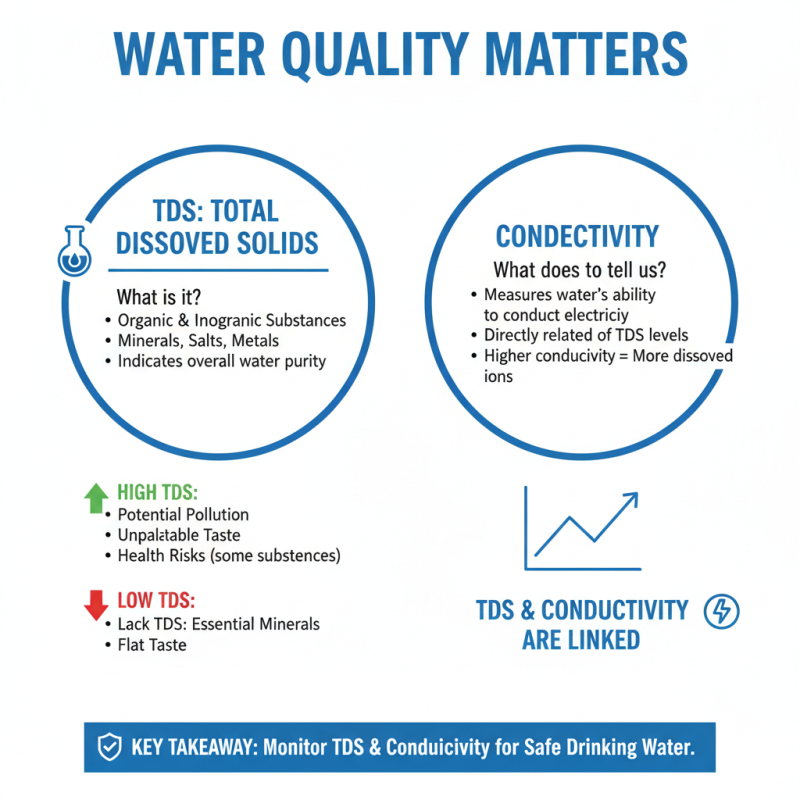
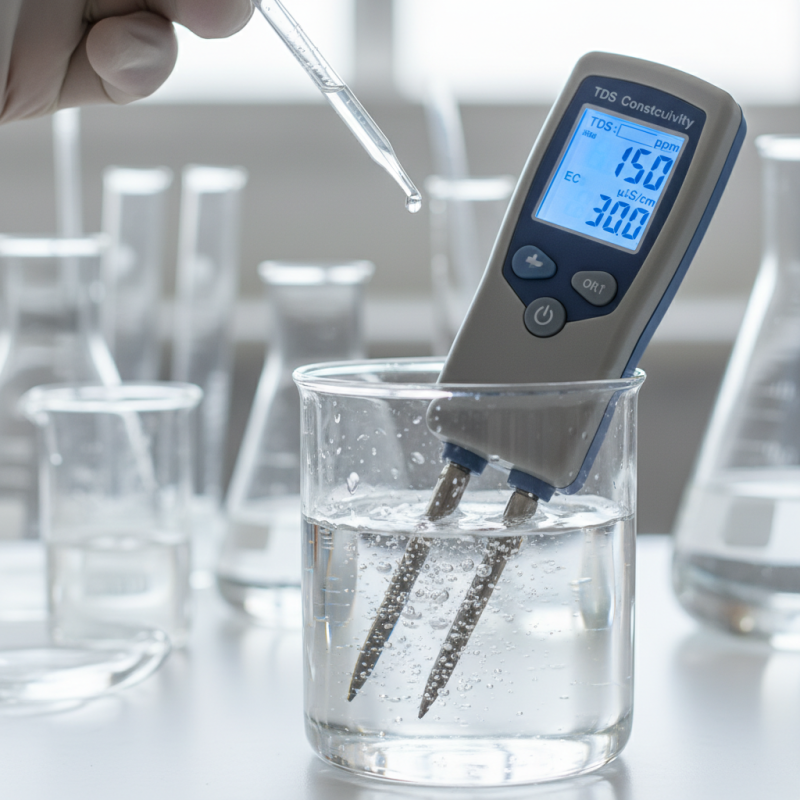
Total Dissolved Solids (TDS) refers to the total concentration of dissolved substances in water. These substances can include minerals, salts, and organic matter. A TDS meter is a simple device that measures this concentration. It determines water quality based on its conductivity, which is affected by the presence of these dissolved solids. High TDS levels may indicate issues, such as pollution or hard water.
Conductivity measurement is vital for understanding water conditions. Pure water has low conductivity, while water with many dissolved solids shows high conductivity. When using a TDS meter, one can get an instant reading. This tool is beneficial for aquarists, farmers, and anyone needing clean water.
Tip: Regularly calibrate your TDS meter. This ensures accurate readings. Over time, meters can drift, causing unreliable results.
Understanding TDS can be tricky. It doesn’t tell the whole story. Different substances affect water quality differently. Knowing how to interpret TDS readings is crucial.
Tip: When testing, take multiple readings. This gives a more accurate picture of water quality. Variability can happen, and one reading may not be enough.
The Importance of TDS and Conductivity in Water Quality Testing
TDS and conductivity are crucial for assessing water quality. TDS stands for Total Dissolved Solids. It measures all organic and inorganic substances in the water. High TDS levels can indicate pollution. Conversely, low levels may suggest a lack of essential minerals. Understanding these levels helps in ensuring safe drinking water.
Conductivity measures how well water can conduct electricity. Pure water has low conductivity, while water with dissolved salts conducts electricity well. This relationship is important in various applications, from aquaculture to hydroponics. It's not just numbers; it affects health, environment, and even agriculture.
Testing water quality should be routine. Many overlook this essential step. It’s easy to forget about TDS and conductivity until problems arise. Awareness and regular testing can prevent issues that harm ecosystems and human health. Everyone should pay attention to these often-neglected factors. Water quality influences our lives in ways we don't always see.
How a TDS and Conductivity Meter Operates: Key Components Explained
A TDS and conductivity meter is an essential tool for measuring water quality. It determines the concentration of dissolved solids in water. This includes salts, minerals, and organic matter. High levels of these substances can affect taste and safety.
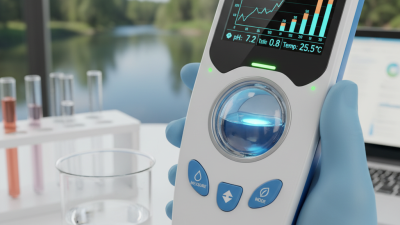
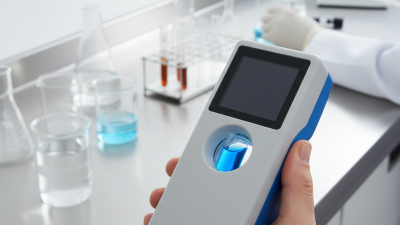
Key components of a TDS and conductivity meter include electrodes and a display. The electrodes measure the electric current that flows through water. The more dissolved solids present, the higher the conductivity. This relationship is vital for understanding water purity. Calibration is necessary for accurate readings. Without it, results may mislead the user.
Understanding these devices helps users make informed decisions. They monitor water quality in aquariums, hydroponics, and drinking water systems. However, users must remember these tools have their limitations. Not every dissolved substance contributes equally to TDS. Some may be harmful, while others are harmless. Failing to recognize this can lead to poor outcomes.
What is a TDS and Conductivity Meter and How Does It Work?
| Component |
Description |
Function |
| TDS Sensor |
Measures total dissolved solids in water. |
Provides a reading of the concentration of ions in the water. |
| Conductivity Sensor |
Measures the electrical conductivity of a solution. |
Indicates the ability of water to conduct electric current, related to ion concentration. |
| Microcontroller |
Processes the data from sensors. |
Converts analog signals to digital for accurate readings. |
| Display Screen |
Shows the readings of TDS and conductivity. |
Allows users to view data in real time. |
| Calibration Button |
Used to calibrate the meter to ensure accuracy. |
Allows for adjustments based on known standards. |
Applications of TDS and Conductivity Meters in Various Industries
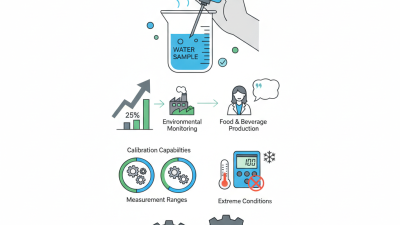
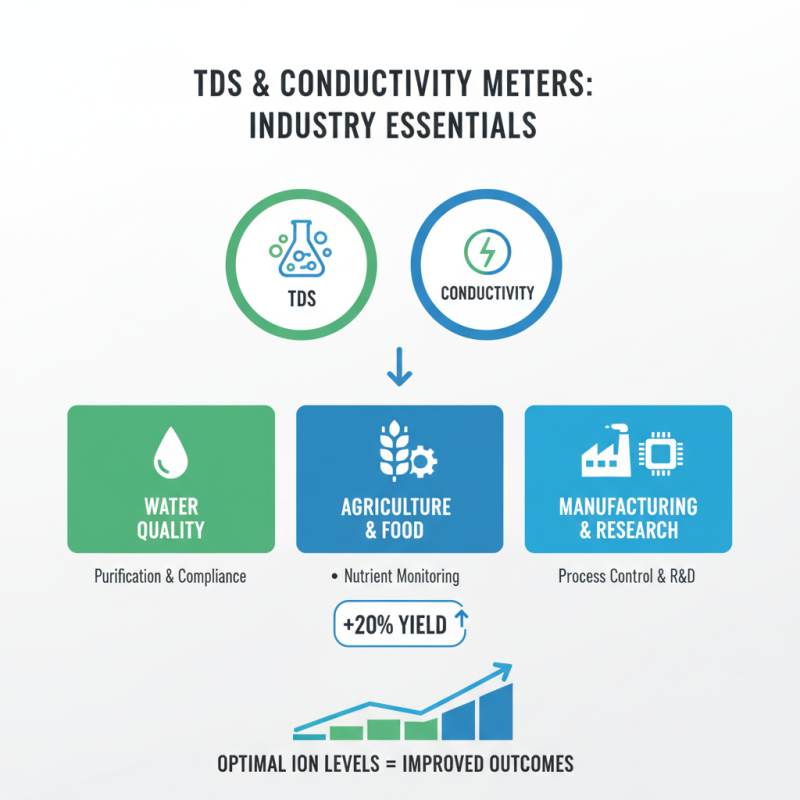
TDS (Total Dissolved Solids) and conductivity meters are crucial in many industries. These devices measure the concentration of ions in a solution. Their applications are vast, from water quality testing to food processing. In the agricultural sector, for instance, monitoring TDS levels ensures the proper nutrient composition for crops. Research indicates that optimal TDS levels can significantly enhance yield, potentially increasing production by up to 20%.
In the environmental sector, these meters play a vital role in water treatment. The EPA reports that regular monitoring can prevent contamination. High conductivity readings can indicate pollution or excessive minerals. Without timely checks, treatment processes can become inefficient. This leads to economic losses and potential health risks.
Tips: When using a TDS meter, calibrate it regularly for accurate readings. Consider indoor air quality; humidifiers can alter the mineral content in water. Also, routine testing can reveal anomalies. An unexpected rise in TDS may require immediate action. Staying proactive ensures quality control across various applications.
Interpreting TDS and Conductivity Readings for Water Safety and Standards
TDS, or Total Dissolved Solids, measures the concentration of dissolved substances in water. This includes minerals, salts, and organic matter. Conductivity meters evaluate the electrical conductivity of water. Conductivity increases with higher TDS levels. Understanding these measurements helps ensure water safety.
According to the U.S. Environmental Protection Agency (EPA), acceptable TDS levels in drinking water should be below 500 mg/L. Levels beyond this may affect taste and lead to health concerns. For instance, high TDS can indicate potential contaminants. The World Health Organization (WHO) states that certain minerals, like lead or mercury, can be harmful. Regular testing is crucial, especially in areas prone to contamination.
Reading TDS and conductivity is not always straightforward. A TDS reading of 200 mg/L may seem safe, but the composition matters. An imbalance in minerals can still cause health issues. Additionally, local regulations can vary on what is acceptable. Awareness of these nuances is essential for safe drinking water. Testing water quality requires careful interpretation of results.