Top 10 Hach Chlorine Colorimeter Features You Need to Know
In the field of water quality testing, the accurate measurement of chlorine levels is crucial for ensuring safe drinking water and maintaining effective disinfection processes in various aquatic environments. The Hach chlorine colorimeter has emerged as an indispensable tool in this endeavor, providing precise and reliable measurements that comply with industry standards. Reports indicate that approximately 1.1 billion people globally lack access to safe drinking water, underscoring the importance of effective monitoring methods. As water quality regulations become increasingly stringent, professionals in the water treatment industry rely on advanced technologies, such as the Hach chlorine colorimeter, to meet compliance and safety standards.
The significance of chlorine measurement cannot be overstated, especially in the context of public health. According to the World Health Organization, chlorine remains one of the most effective disinfectants used in water treatment, with its levels needing to be carefully monitored to prevent potential health risks. The features of the Hach chlorine colorimeter facilitate rapid, user-friendly analysis, helping water quality professionals meet the challenge of maintaining safe chlorine levels in water supplies. This article delves into the top ten features of the Hach chlorine colorimeter that every water treatment specialist should know, highlighting its role in advancing water safety and adherence to regulatory requirements.
Key Features of Hach Chlorine Colorimeters: An Overview
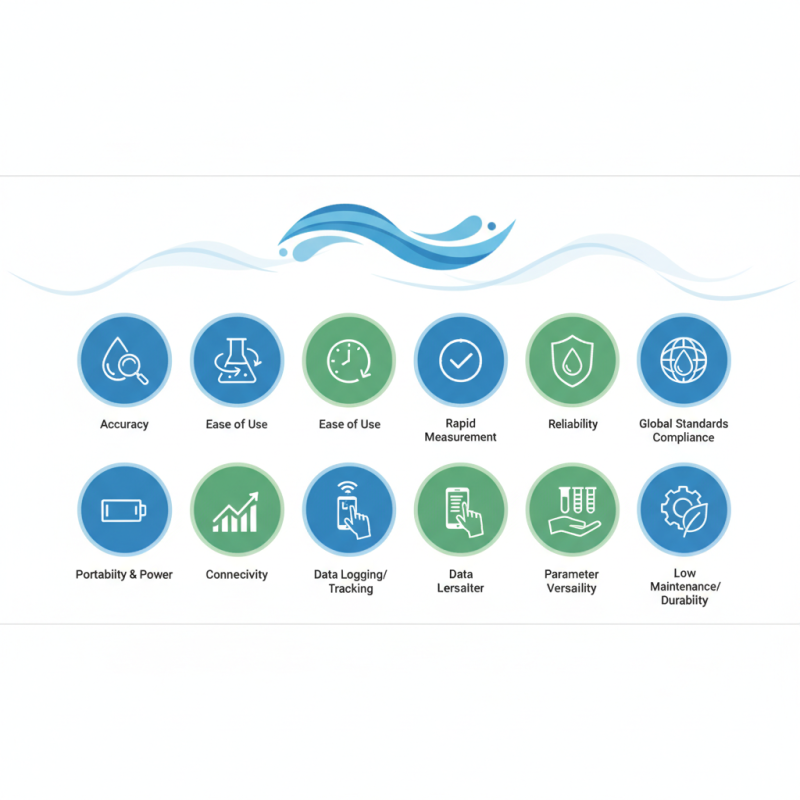
When it comes to measuring chlorine levels in water, a colorimeter offers precise and reliable analysis. One of the key features to consider is the device's calibration capability, which allows users to obtain accurate readings by adjusting for variations in light conditions and sample composition. This ensures consistency in measurements, making it essential for laboratories and water treatment facilities where quality control is paramount.
Another significant feature is the user-friendly interface, designed for easy navigation even for those who are not highly skilled in analytical chemistry. With intuitive touchscreens and straightforward software, operators can quickly set up tests, view results, and generate reports. The integration of data logging also enhances the usability of colorimeters by allowing users to track historical data and trends, facilitating more informed decision-making in water quality management. Additionally, portability is a crucial aspect, as mobile units enable field testing in diverse environments, meeting the demands of various applications from environmental monitoring to routine water quality checks.
Understanding the Importance of Accuracy in Colorimetric Measurements
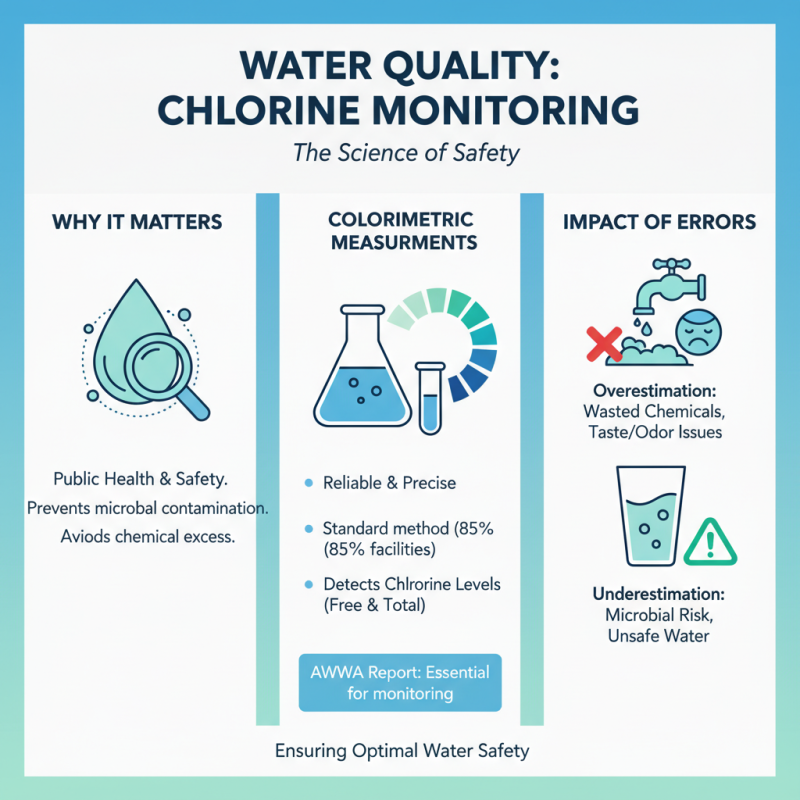
Accurate colorimetric measurements are essential in water quality analysis, particularly when monitoring chlorine levels. Chlorine remains one of the most widely used disinfectants in municipal water systems, and maintaining its optimal concentration ensures the safety and well-being of the public. According to a recent report from the American Water Works Association (AWWA), over 85% of water treatment facilities employ colorimetric methods for chlorine monitoring due to their reliability and precision. Variations in measurement can lead to either an overestimation, resulting in excessive chlorine addition, or an underestimation, which may jeopardize microbial safety.
The importance of accuracy in colorimetric measurements can't be overstated; even minor discrepancies can lead to significant public health risks. Studies show that an error of just 0.1 mg/L in chlorine levels can reduce the effectiveness of disinfection processes dramatically. Furthermore, research published in Environmental Science & Technology indicates that accurate monitoring can reduce the risk of waterborne pathogens by more than 30%. Therefore, investing in high-quality colorimetric equipment that provides consistent and precise results is crucial for both operational efficiency and public safety in water treatment facilities.
Exploring User-Friendly Interface and Operational Convenience
When exploring the features of colorimeters, the user-friendly interface plays a crucial role in enhancing operational convenience. A well-designed interface allows users to navigate through the system effortlessly, reducing the learning curve, especially for those new to water testing. The intuitive layout typically includes clear icons, straightforward menus, and helpful guidance, making it easier for technicians to perform tests accurately and efficiently.
Tips for maximizing usability include familiarizing yourself with the interface through practice runs. Taking time to experiment with different functionalities can reveal shortcuts and features that enhance workflow. Additionally, ensure that all users are trained to understand the interface thoroughly, which can help prevent errors and improve data collection consistency.
Another key aspect to consider is the operational convenience offered by modern colorimeters. Features like quick measurement times, automatic calibration, and data storage capabilities significantly improve testing efficiency. When devices are equipped with easy data export options, users can seamlessly integrate results into broader reporting frameworks.
Tips for maintaining efficiency include regularly updating the colorimeter software and ensuring it is properly maintained. This can prevent unexpected downtime and ensure the device operates at peak performance, allowing for consistent and reliable water quality testing.
Comparative Analysis of Measurement Range and Sensitivity
When considering the measurement range and sensitivity of a chlorine colorimeter, it is essential to recognize the implications these features have on water quality testing. A broader measurement range allows for the detection of chlorine levels from very low to high concentrations, making it versatile for various applications such as municipal water treatment and laboratory analysis. This flexibility ensures accurate results in diverse environments, whether measuring residual chlorine in potable water or evaluating chlorination efficiency in wastewater treatment.
Sensitivity, on the other hand, refers to the instrument's ability to identify subtle changes in chlorine concentration. High sensitivity is crucial for monitoring compliance with health standards, where even minor variations in chlorine levels could indicate potential water quality issues. Instruments with advanced sensitivity can detect residual chlorine at lower thresholds, which enhances the precision of readings and improves the reliability of water safety assessments. Therefore, understanding the relationship between measurement range and sensitivity is vital for choosing the right chlorine colorimeter for effective and reliable water testing.
Top 10 Hach Chlorine Colorimeter Features - Comparative Analysis
This bar chart presents a comparative analysis of the measurement range and sensitivity of various Hach Chlorine Colorimeter features. The data showcases the sensitivity and measurement ranges for different chlorine measurement standards.
Maintenance and Calibration Insights for Optimal Performance
Proper maintenance and calibration of chlorine colorimeters are essential for ensuring accurate measurements and optimal performance. Regular maintenance involves cleaning the optical components and checking for any signs of wear or damage that may affect the device’s sensitivity. It is crucial to follow a routine that includes wiping down the cuvette holder and ensuring that the light path remains unobstructed. This not only prolongs the life of the equipment but also ensures reliability in the readings obtained during testing.
Calibration is another key aspect that cannot be overlooked. Performing routine calibrations using standard solutions helps in maintaining the accuracy of the colorimeter. It is advisable to establish a calibration schedule based on usage frequency; more intensive use may require daily calibration, while less frequent use may allow for weekly check-ups. By regularly verifying the instrument against known standards, users can identify drifts in measurements and make necessary adjustments promptly, thereby safeguarding the integrity of water quality analysis.