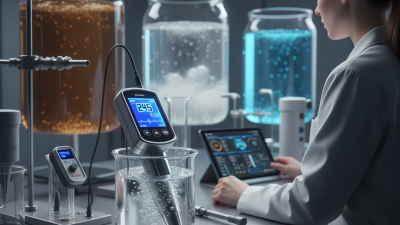
Choosing a hach hqd portable meter starts with the measurements you need. A technician checking pH beside a treatment tank has different priorities from someone measuring conductivity at a stream. The HQD range includes portable instruments for field testing, but the right choice depends on the parameter, compatible probe, and working conditions. This guide compares ten options through practical buyer questions, rather than model names alone. Can you read the display in bright daylight? Can you manage the probe with wet gloves? Small details matter.
The comparison considers measurement needs, probe compatibility, handling, and the specifications buyers should confirm before ordering. Some setups may suit routine checks, while others may fit more demanding sampling plans. Start with the sample. Then check the instrument’s documented range, accuracy, and operating requirements against your method. Product details can change, so verify current specifications and probe compatibility in Hach documentation or with an authorized supplier. A neat feature list does not guarantee a good fit. I would also consider how the meter feels after repeated use; that detail is easy to overlook in a table, and difficult to judge without handling the unit. The aim is a shortlist grounded in real field needs, with room for careful verification.
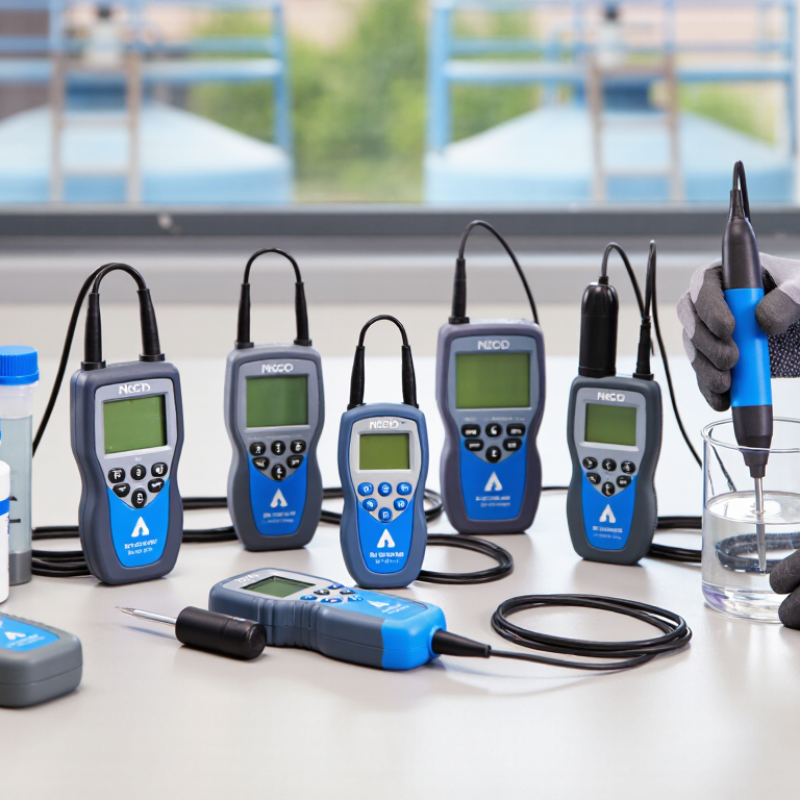
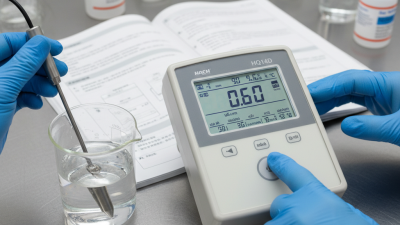
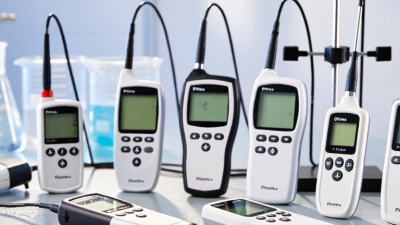
Understanding this portable meter series starts with its measurement system, not its screen. These handheld instruments pair a display unit with interchangeable probes for measurements such as pH, conductivity, and dissolved oxygen. Probe choice determines what the meter can measure, so check compatibility before buying. In the field, a gloved hand, a damp cable, and a scratched probe connector can matter more than extra menu options. Small details matter.
For pH work, the U.S. EPA’s Method 150.1 reports method precision of about ±0.1 pH unit. That figure is a useful reference, not a guarantee for every sample or operator. The USGS National Field Manual, chapter A6.4, emphasizes field calibration and careful electrode handling.
Buyers should look for clear calibration prompts, temperature compensation, readable results in bright light, and a case that protects probes between sites. Check battery life against a full workday, too. Annoying, but practical.
A meter that stores readings with time and sample identifiers can reduce transcription errors; still, review exported records before using them. Specifications deserve scrutiny: probe replacement costs and sensor maintenance can shape ownership more than the initial price.
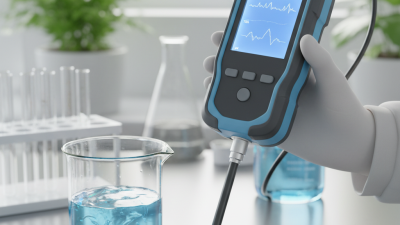
A portable meter is only useful when its measurement range matches the job. Compare support for pH, oxidation-reduction potential, conductivity, dissolved oxygen, or ion-selective measurements. Availability depends on the meter model and compatible probe. A pH probe suits routine water checks, while conductivity helps track dissolved salts. For field oxygen readings, check whether the probe measures dissolved oxygen and supports temperature compensation. Small details matter.
Tips: Check the probe connector, cable length, and stated measurement range before buying. Confirm that the meter accepts the probe type you need. Bring the probe into the decision, not just the display.
Think about the sample, too. A narrow bottle opening may need a slim probe; a stream bank may call for a longer cable. Ask how calibration works and whether the instrument stores readings with time and sample identifiers. In practice, a rugged case helps, but it cannot protect a probe left loose beside wet tools. Probe compatibility can also be less obvious than the product listing suggests. Verify it with the supplier’s compatibility documentation, and leave room for uncertainty when comparing models.
| Rank | Meter Configuration | Key Measurement Parameters | Probe and Sensor Compatibility | Typical Applications | Buyer Considerations |
|---|---|---|---|---|---|
| 1 | pH and Temperature | pH, temperature; some meters also calculate millivolts for electrode diagnostics. | Combination pH electrode with an integrated or separate temperature sensor. Connector type and temperature-sensor support vary by meter. | Field checks of drinking water, wastewater, surface water, and process samples. | Check the pH range, calibration options, temperature compensation method, and availability of replaceable electrodes. |
| 2 | Conductivity and Temperature | Conductivity and temperature; resistivity may also be displayed on some instruments. | Conductivity cell with a suitable cell constant and, where required, an integrated temperature sensor. | Water treatment, rinsing processes, boiler-water checks, and general field monitoring. | Match the cell constant and measurement range to the expected sample conductivity. Confirm whether temperature compensation is configurable. |
| 3 | Conductivity, TDS, Salinity, and Temperature | Conductivity and temperature measured directly; total dissolved solids (TDS) and salinity are generally calculated from conductivity using selected factors or scales. | Conductivity cell with temperature sensing. No separate TDS probe is normally needed when TDS is calculated by the meter. | Freshwater and brackish-water surveys, aquaculture, irrigation, and routine water-quality screening. | Review the available TDS conversion factor and salinity scale. Calculated values are estimates and depend on the chosen conversion method. |
| 4 | Dissolved Oxygen and Temperature | Dissolved oxygen concentration and percentage saturation; temperature is used for compensation. | Optical luminescent or electrochemical dissolved-oxygen probe, with compatible temperature sensing. Probe type determines maintenance and operating requirements. | Wastewater treatment, aquaculture, lakes, rivers, and biological process monitoring. | Compare response time, calibration procedure, membrane or cap replacement needs, stirring requirements, and suitability for low-oxygen samples. |
| 5 | pH, Conductivity, and Temperature | pH, conductivity, and temperature; some configurations also derive TDS or salinity from conductivity. | Separate pH electrode and conductivity cell, or a compatible combination probe where supported. A temperature sensor may be integrated into either probe. | Routine multiparameter checks in field sampling and water-treatment operations. | Confirm that the meter accepts both probe types and can display or log the required parameters together. |
| 6 | pH, ORP, and Temperature | pH, oxidation-reduction potential (ORP) in millivolts, and temperature. | Combination pH electrode and ORP electrode, used in compatible inputs; temperature sensing may be integrated or separate. | Disinfection monitoring, chemical treatment, and redox-condition checks. | ORP is a millivolt measurement, not a direct disinfectant concentration measurement. Verify electrode compatibility and cleaning requirements. |
| 7 | Ion-Selective Measurement | Concentration or activity of a selected ion, such as fluoride, nitrate, ammonium, or chloride, depending on the electrode. | Ion-selective electrode with the required reference system; some electrodes are combination designs. Compatible calibration standards and conditioning solutions are needed. | Targeted water testing, environmental sampling, and process checks for a specific ion. | Choose the electrode for the target ion and sample matrix. Results depend on calibration, ionic strength adjustment, interferences, and electrode condition. |
| 8 | Turbidity | Turbidity, commonly reported in NTU or another method-specific unit. | Optical turbidity sensor or portable turbidity probe designed for the instrument. The optical measurement geometry and method determine applicable reporting units. | Drinking-water checks, treatment-process monitoring, and surface-water surveys. | Check the measurement method, range, calibration standards, sample-cell requirements, and cleaning procedures. Avoid comparing results from different methods without validation. |
| 9 | pH, Conductivity, and Dissolved Oxygen | pH, conductivity, dissolved oxygen, and temperature when supported by the connected probes. | pH electrode, conductivity cell, and optical or electrochemical dissolved-oxygen probe. Simultaneous connection depends on the meter’s inputs and probe system. | Comprehensive field surveys of rivers, lakes, wastewater, and aquaculture systems. | Check the number of probe inputs, supported sensor combinations, data-logging capacity, and whether readings are simultaneous or sequential. |
| 10 | Modular Multiparameter Field Meter | Selectable combination of pH, ORP, conductivity, TDS, salinity, dissolved oxygen, and temperature; available parameters depend on the meter and probes. | Interchangeable, parameter-specific probes connected through supported inputs or adapters. Probe compatibility is model-dependent. | Organizations that perform varied sampling tasks and need configurable field measurements. | Verify each probe’s compatibility, parameter limits, connector and cable options, calibration workflow, and replacement-part availability before purchase. |
Note: These are general instrument configurations, not specifications for individual products. Probe connections, measurement ranges, units, simultaneous measurement capability, and calibration features vary by meter and sensor. Confirm compatibility with the instrument manufacturer before buying.
Ten portable configurations suit different field tasks: a pH-only meter for acidity; conductivity-only for dissolved-ion trends; dissolved-oxygen-only for streams; and ORP-only for oxidation changes. Combination options include pH/conductivity, pH/oxygen, pH/ORP, and conductivity/oxygen. A two-input meter allows faster paired readings, while a broader multi-parameter setup reduces equipment carried between sites. A rugged kit with interchangeable probes helps teams handling varied samples. The best fit depends on required parameters, probe durability, calibration routine, and whether readings must be stored or exported. More features are not automatically better.
Tips: Check probe compatibility, battery life, and calibration records before purchase. Test the display in bright sun, too. Small usability details can slow a field team.
The USGS National Field Manual for the Collection of Water-Quality Data emphasizes documented procedures and instrument checks; consistent calibration supports comparable readings across visits. For wider context, the WHO/UNICEF Joint Monitoring Programme’s 2023 report estimated that 2.2 billion people lacked safely managed drinking water in 2022. That figure signals the importance of dependable monitoring, not a specific meter choice. A limitation remains: even a well-maintained instrument cannot correct poor sampling or a contaminated probe. Compare the ten options against your sample types and reporting needs, then verify performance under actual field conditions.
Accuracy should be judged against the measurements your work actually requires. Check the stated range, resolution, and published accuracy for each parameter, then compare them with your acceptance limits. A meter showing extra decimal places is not automatically more reliable. Numbers can drift. Ask how calibration is performed, whether the instrument records calibration details, and how temperature compensation affects readings. For a realistic check, measure a stable reference solution before and after a field session.
Durability matters when equipment travels between a wet bench, a vehicle, and an outdoor sampling point. Inspect the enclosure rating, connector protection, and probe cable, not just the case. A loose cap or cracked cable can create trouble long before the meter itself fails. Battery life also deserves attention on long sampling days. Still, ruggedness claims do not replace sensible handling; even a sealed instrument needs clean, dry connectors.
Ease of use becomes clear with gloves on and sunlight on the screen. Look for readable digits, direct access to calibration, and menus that do not require repeated searching. Data logging and simple export can reduce transcription mistakes, especially when several samples are collected. Try the controls with the probes you plan to use. A feature list may look complete, yet a confusing workflow can slow routine work. That trade-off is easy to overlook.
Choosing a portable meter starts with the sample, not the product list. A drinking-water technician may need reliable pH readings at a tap, while a wastewater operator may also track conductivity or dissolved oxygen. EPA’s National Secondary Drinking Water Regulations give pH a 6.5–8.5 range. That benchmark helps define the expected working range, but it is not a health-based limit. Check the meter’s specified range, resolution, and compatible probe before buying.
Field conditions matter. USGS National Field Manual procedures treat temperature, pH, specific conductance, and dissolved oxygen as distinct measurements, each requiring suitable sensors and handling. A muddy stream sample can foul a probe; a cold morning can affect readings and response time. Small details matter. For routine pH checks, choose a meter with straightforward calibration and a probe suited to the sample. For multi-parameter surveys, confirm that the instrument supports every required sensor, not merely the measurements used most often. Compare battery life and data logging if crews work far from a lab. A feature-rich meter may sound safer, but unused functions add cost and complexity. It is easy to overlook cleaning time; that is worth reconsidering before purchase.