Top Pocket Colorimeter Uses Benefits and Features You Should Know?
The demand for portable analytical devices has surged in recent years, particularly for the pocket colorimeter. This handheld tool is essential for measuring color in various industries, including water quality and food safety. Research indicates that the global pocket colorimeter market is projected to grow significantly, driven by increasing regulatory standards and the need for accurate measurements.
According to Dr. Linda Chen, a leading expert in analytical chemistry, “The pocket colorimeter is revolutionizing field testing.” This statement highlights its growing importance. With features like compact design and user-friendly interfaces, these devices simplify tasks that once required complex laboratory setups. Professionals can now obtain accurate results on-site, saving time and resources.
However, some challenges remain. The accuracy of readings can be influenced by environmental factors. Additionally, users must ensure proper calibration to maintain reliability. The journey towards higher precision in pocket colorimeters is ongoing, and professionals must adapt to these technological advancements to fully leverage their potential.
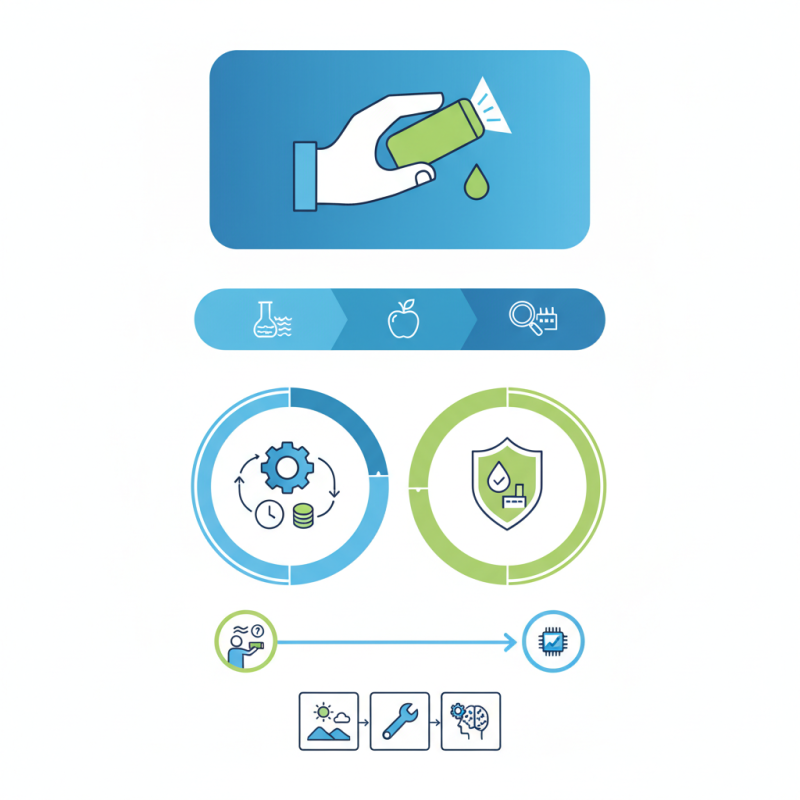
Top Pocket Colorimeter: Overview and Purpose
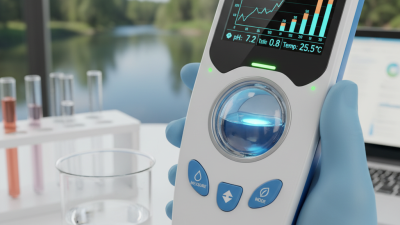
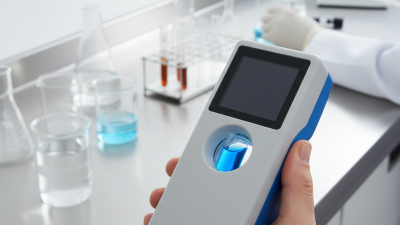
Pocket colorimeters are compact devices designed to measure the color of liquids. They have become essential tools in various fields, including environmental monitoring and agriculture. The primary purpose of these devices is to test water quality quickly and accurately. With their portability, users can conduct tests in the field, ensuring immediate data collection.
One significant feature of pocket colorimeters is their user-friendly interface. Many devices come with simple buttons and easy-to-read displays. This design helps users, even those with limited technical skills, perform tests. However, some may find the calibration process challenging. Proper calibration is essential for accurate results, and occasional user error can lead to misleading data.
Moreover, pocket colorimeters usually require specific reagents. These reagents can vary widely, affecting both cost and convenience. Some users may struggle to keep track of reagent expiration dates. Inconsistent results may occur if outdated reagents are used. While these devices offer great benefits, users should be mindful of these limitations and reflect on how they can improve their testing methods.
Top Pocket Colorimeter Uses Benefits and Features You Should Know
| Feature |
Description |
Benefits |
| Compact Size |
Lightweight and portable design for easy transport. |
Ideal for field work and on-site measurements. |
| User-Friendly Interface |
Intuitive controls and easy navigation. |
Reduces learning curve and increases efficiency. |
| Versatile Applications |
Suitable for water quality testing, chemical analysis, and more. |
Broadens usability across different industries. |
| Fast Results |
Rapid measurement and display of results. |
Increases productivity and decision-making speed. |
| Battery Operated |
Operates on batteries for convenience. |
Enhances mobility and usability in remote locations. |
| Built-in Calibration |
Automatic calibration for accuracy. |
Ensures reliable and precise measurements. |
Key Features of Top Pocket Colorimeters
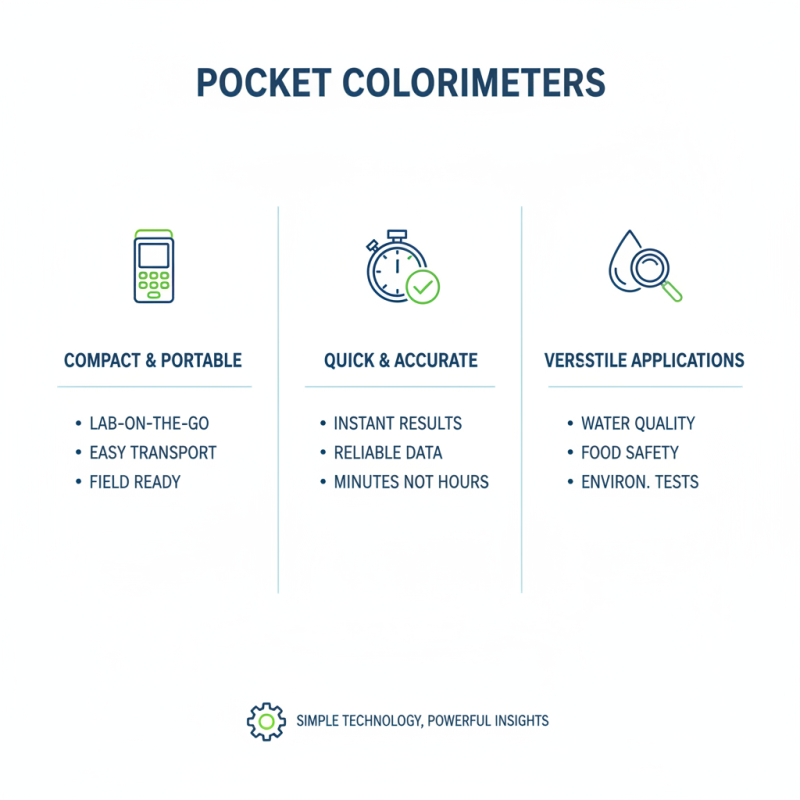
Pocket colorimeters are essential tools for various fields, including environmental testing and quality control. They are compact, portable, and designed for quick and accurate measurements. The technology behind them is simple yet effective. Users can analyze water samples or food products with ease, obtaining results in minutes instead of hours.
Key features of top pocket colorimeters include a user-friendly interface. Many models have a digital display that shows results clearly. Some units allow for customizable settings based on specific testing needs. Portability is another major perk; they fit easily into a bag. Battery-operated options ensure they remain functional in remote areas. However, it’s important to maintain these devices properly. Regular calibration is essential for reliable results.
While they provide great convenience, users should be cautious about their limitations. Some pocket colorimeters may struggle with complex samples containing interfering substances. The range of detectable concentrations can vary, too. Understanding these factors is crucial for accurate testing. Despite their advantages, a thorough understanding of the device and its capabilities is necessary for effective use.
Benefits of Using a Pocket Colorimeter in Field Applications
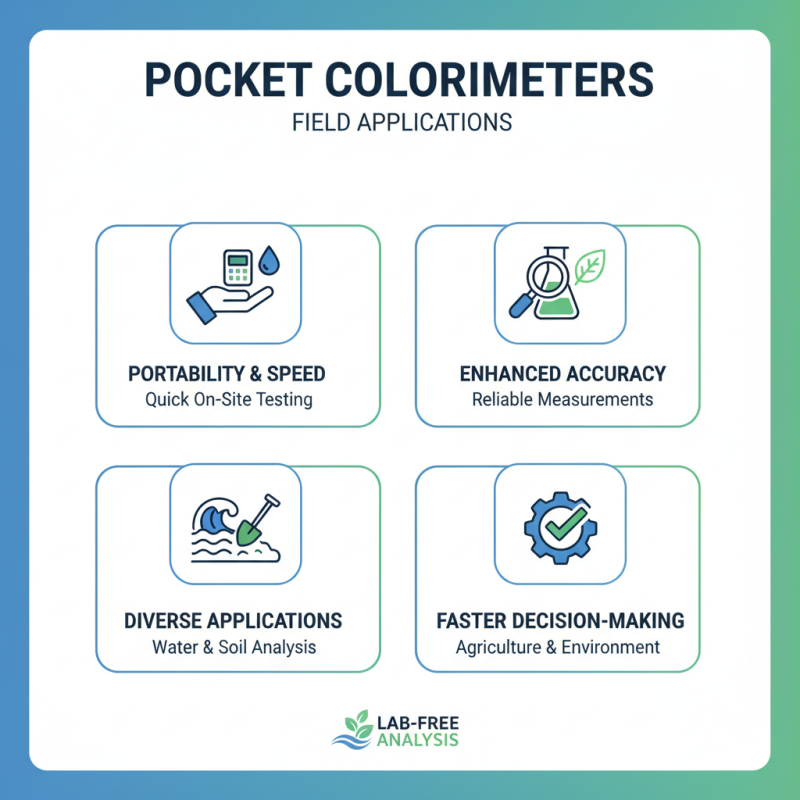
Pocket colorimeters are essential tools for measuring color in various field applications. Their portability allows for quick testing in diverse environments, enhancing efficiency and accuracy. Users can assess water quality or analyze soil samples without needing a lab. This convenience can lead to faster decision-making on-site, which is crucial in applications like agriculture or environmental monitoring.
Using a pocket colorimeter promotes precision. However, users must be mindful of calibration. Instruments should be regularly calibrated to ensure accurate readings. Failure to do so can result in erroneous data, affecting project outcomes. Careful handling and regular maintenance are equally important.
Tips for users: always keep the device clean to avoid contamination. Store it properly to prevent damage. Remember, while colorimeters are advanced, they are not infallible. Regularly review and compare your results with other methods to validate your findings and gain confidence in your colorimeter’s performance.
How to Choose the Right Pocket Colorimeter for Your Needs
When choosing a pocket colorimeter, consider your specific testing needs. Analyze what substances you will measure. Different models cater to different needs. If you often test water samples, select a colorimeter designed for aquatic analysis. For industrial use, a more robust model may be necessary.
Tips: Check for portability. A lightweight device can significantly enhance your mobility. Consider battery life, too. You don’t want interruptions while on the field. A good colorimeter should withstand harsh conditions, especially when used outdoors.
Calibration is crucial. Many devices require regular calibration to maintain accuracy. If a colorimeter is not calibrated well, results may vary significantly. This inconsistency can lead to poor decisions based on inaccurate data. Look for features that simplify the calibration process.
Don’t overlook user-friendliness. Complex interfaces can detract from efficiency. Opt for colorimeters with clear displays and straightforward controls. User manual accessibility is also key. You should be able to refer to it easily when needed. Evaluate other users' feedback. Real-world experiences often highlight issues you may not have considered.
Common Applications and Industries Utilizing Pocket Colorimeters
Pocket colorimeters are increasingly common in various industries. These portable devices offer critical analysis for water quality, food processing, and environmental monitoring. In water quality testing, for example, pocket colorimeters can quickly analyze parameters like chlorine, pH, and turbidity. Reports show that the global water quality testing market is expected to reach $4.8 billion by 2027, highlighting this trend.
In agriculture, these instruments play a vital role. Farmers use them to measure soil pH and nutrient levels. This information helps in making informed decisions. A study revealed that precision agriculture can increase crop yields by 10-20%. Pocket colorimeters help achieve these results efficiently. They're also valuable in food safety, ensuring products meet stringent quality standards.
Tip: Regular calibration can enhance accuracy. Even small deviations can lead to incorrect readings. Always follow manufacturer guidelines on maintenance.
Another key benefit is their ease of use. Most pocket colorimeters require minimal training. This accessibility encourages widespread adoption. However, users should be aware of limitations. Environmental factors can affect readings. Awareness of potential inaccuracies fosters better practices. Carrying out routine checks ensures reliability in measurements.
Top Pocket Colorimeter Uses, Benefits and Features