In recent years, Sleep Monitoring Technology has transformed the way we understand sleep. With innovations booming, sleep tracking devices are more advanced and accessible than ever. New gadgets and apps help users gain insights into their sleep patterns, making it easier to identify problems.
Many people struggle with sleep issues, and relying on technology may not always provide the perfect solution. Smartwatches and sleep trackers typically monitor movements and heart rate. However, discrepancies in accuracy can occur due to many factors. Users must reflect on their sleep data critically and not solely depend on technology for a good night’s rest.
As we explore the top 10 innovations in Sleep Monitoring Technology, it's clear that these tools aim to enhance our well-being. Yet, we must remain cautious and aware of their limitations. Incorporating technology into our sleep routines can be beneficial, but it shouldn't replace healthy sleep habits and professional advice.
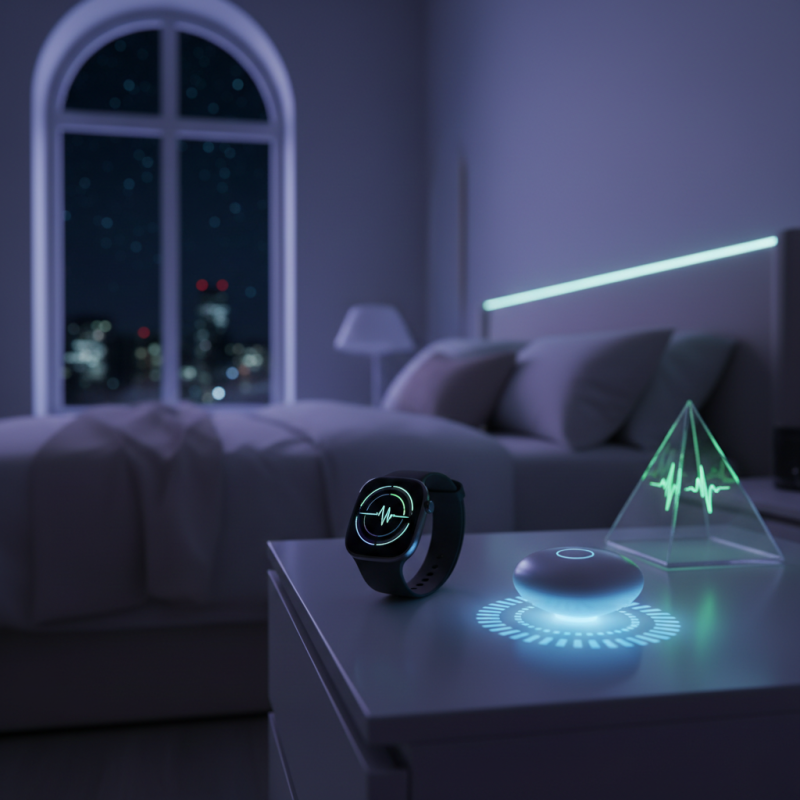
As sleep monitoring technology evolves, several emerging trends are shaping the landscape. Wearable devices are leading the way. These gadgets track heart rates, movement, and breathing patterns. They provide real-time feedback, which helps users understand their sleep quality. However, relying solely on technology can sometimes lead to over-analysis of sleep data. This can create anxiety rather than improve sleep.
Another trend involves smart home integration. Devices that sync with home environments offer tailored sleep experiences. For example, smart lights can adjust brightness based on sleep cycles. Temperature control is another feature, optimizing comfort throughout the night. Still, these advancements may introduce complexity in managing multiple devices. Users need to reflect on whether this added convenience outweighs the potential for confusion.
Artificial intelligence is also making waves. AI-driven algorithms process vast amounts of sleep data, providing personalized insights. These insights can help users identify patterns and trends. Yet, over-reliance on AI may result in overlooking personal intuition. Users should balance technology's benefits with their own feelings about sleep.
Wearable devices are transforming the way we monitor sleep. These gadgets collect data on sleep patterns, heart rate, and movement, providing insights into our sleeping habits. A recent report from the National Sleep Foundation states that nearly 50% of Americans experience occasional insomnia. This highlights a growing need for effective sleep tracking solutions.
The accuracy of these devices has improved significantly. Many wearables use advanced sensors to gather detailed information. For example, a study published in the Journal of Clinical Sleep Medicine found that some devices can accurately detect sleep stages with over 80% precision. However, not all devices are equal. Some may overestimate deep sleep or misunderstand periods of wakefulness.
While the potential benefits are enticing, challenges remain. Users must remain consistent in wearing the devices to get reliable data. Additionally, psychological factors can influence sleep quality, and devices may not account for all variables. Understanding these limitations is crucial for making informed decisions about sleep health. Balancing technology with traditional methods like sleep hygiene remains essential for overall wellness.
| Innovation | Description | Key Features | Data Collected | User Benefits |
|---|---|---|---|---|
| Smart Sleep Mask | A mask equipped with sensors to monitor sleep patterns. | Light control, sound blocking, sleep stage tracking | Sleep stages, duration, light exposure | Improved sleep quality, better restfulness |
| Wearable Sleep Tracker | A wristband that tracks sleep through accelerometer data. | Heart rate monitoring, movement tracking, sleep analysis | Sleep duration, restful sleep time | Insightful feedback, tracking progress over time |
| Smart Mattress | A mattress that adapts firmness according to user needs. | Adjustable firmness, temperature control, sleep tracking | Sleep quality, body pressure points | Customized comfort, enhanced sleep experience |
| Sleep Apps | Mobile applications that help track and improve sleep. | Sleep tips, journaling, monitoring | User input on sleep habits, suggestions | Behavior modification, self-awareness |
| Noise-Canceling Devices | Devices designed to reduce sleep-interrupting noises. | White noise, sound masking features | Ambient noise levels | Improved sleep environment, less disruption |
| Smart Pillows | Pillows that track sleep and provide comfort through support. | Posture correction, temperature control | Head position, comfort level | Enhanced comfort, support for neck alignment |
| Wearable EEG Headsets | Headsets that measure brain activity during sleep. | Real-time brain wave monitoring | Sleep stages, brain activity patterns | Deep analysis of sleep quality |
| Sleep Hygiene Sensors | Sensors that assess sleep environment and habits. | Air quality, light levels, noise monitoring | Environmental conditions | Optimal sleep conditions, preventive advice |
| Virtual Reality Relaxation | Use of VR technology to facilitate relaxation before sleep. | Immersive environments, guided meditations | User engagement, stress levels | Enhanced relaxation, decreased anxiety |
Smart home integration has become a vital part of enhancing sleep quality in our connected world. Many devices, like smart speakers and lighting systems, can create an ideal sleep environment. For example, smart lights can gradually dim to signal bedtime. This gradual transition helps prepare the body for sleep.
Moreover, temperature control is crucial for a restful night. Smart thermostats can adjust the room temperature based on personal preferences. Research shows that cooler temperatures can promote deeper sleep. However, not everyone finds it easy to implement these technologies seamlessly. Inconsistencies in device compatibility can frustrate users, leading to a less-than-perfect experience.
Integrating sleep monitors into the home ecosystem allows for better insights into sleep patterns. By analyzing this data, users can make informed choices. However, relying solely on technology may not address underlying issues like stress. It's important to balance tech solutions with mindful practices for overall well-being.
Artificial intelligence (AI) and machine learning are transforming sleep data analysis. These technologies help process vast amounts of sleep data quickly. They identify patterns that are often missed by human analysis. For example, AI algorithms can detect subtle changes in sleep stages. This allows for personalized insights into sleep quality.
Data from smart devices reveals trends. It shows how lifestyle choices impact sleep. AI can analyze this information for better recommendations. For instance, it may suggest changes in bedtime routines. Machine learning also adjusts to individual behaviors over time. It learns what improves or hinders sleep quality, creating a custom experience.
However, reliance on technology raises questions. Are we becoming too dependent on these tools? Additionally, the interpretation of data might vary. Not all AI models are transparent. Users should remain cautious about their sleep data interpretations. Understanding these technologies can help us maximize their benefits while remaining critical of their limitations.
The landscape of sleep monitoring technology is rapidly evolving. Emerging innovations promise to enhance our understanding of sleep patterns and improve overall health. The global sleep tech market is projected to reach $117 billion by 2025, reflecting an increased demand for solutions that support better sleep quality.
Wearable devices now track vital signs and detect disturbances. Smart textiles are also entering the arena, with fabrics capable of monitoring heart rates and breathing patterns. Data shows that 35% of adults have reported sleep issues. This presents a significant market opportunity for advancements in sleep tech. Companies are exploring combinations of artificial intelligence and biological sensors for a more accurate picture of sleep health.
Future innovations may incorporate virtual reality to create immersive sleep environments. This could help reduce anxiety and promote relaxation before sleep. However, challenges remain, such as privacy concerns surrounding personal health data. Improvement is needed in device battery life and comfort levels, especially for overnight wear. The potential is vast, yet it requires continuous refinement and ethical considerations in application.