What is UHF RFID Textile and How Can It Benefit Your Business?
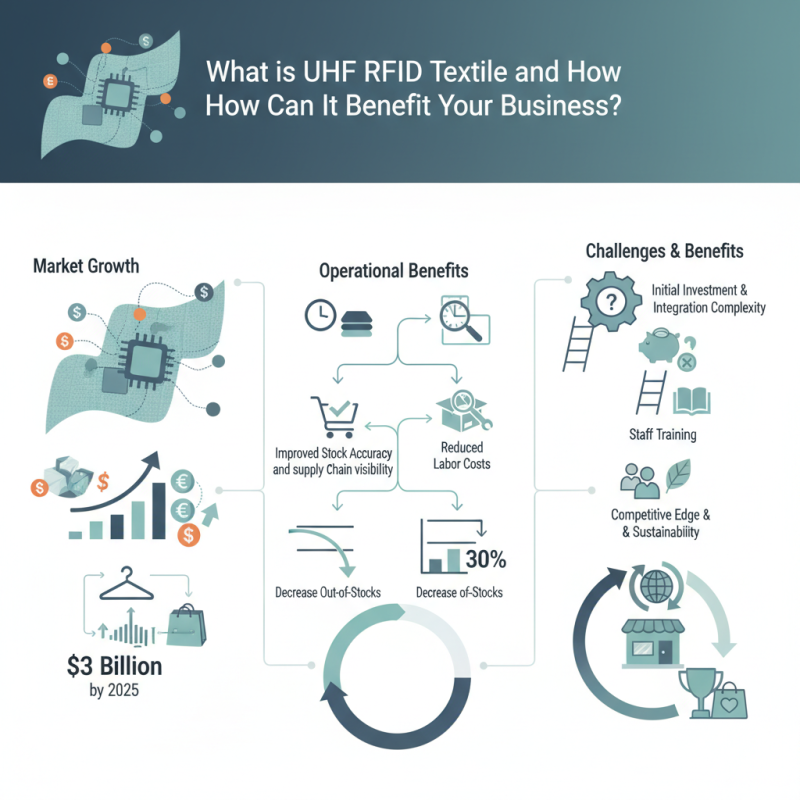
uhf rfid textile technology is reshaping the fashion and retail industries, proving to be a game-changer for businesses. According to a report by IDTechEx, the market for RFID in apparel is expected to reach $3 billion by 2025. This growth reflects a significant demand for efficient inventory management and enhanced customer experiences. UHF RFID textile solutions allow retailers to track items in real time, minimizing losses and improving stock accuracy.
Adopting UHF RFID textile can lead to operational efficiencies. Businesses report reduced labor costs and improved supply chain visibility. A study from the University of Arkansas found that RFID can decrease out-of-stocks by 30%. However, implementation can be complex. Not all companies are fully prepared to integrate this technology into their existing systems. Challenges such as initial investment and staff training require careful consideration.
Despite potential drawbacks, the benefits of UHF RFID textile are compelling. Companies that embrace this innovation may gain a competitive edge. Enhanced traceability can improve sustainability efforts, appealing to eco-conscious consumers. As the retail landscape evolves, UHF RFID textile will be a crucial component for those seeking to stay relevant and efficient.
Understanding UHF RFID Technology in Textiles
UHF RFID technology is transforming the textile industry by offering better inventory management and tracking solutions. This innovative system uses radio waves to identify and track fabric items efficiently. With it, businesses can automate their supply chains, reducing manual labor and minimizing human errors.
Implementing UHF RFID in textiles can lead to significant cost savings. Accurate inventory tracking means reduced losses from misplaced items. It also enhances customer satisfaction by ensuring products are always in stock. However, businesses must ensure the system integrates smoothly with existing operations.
**Tip:** Conduct a thorough needs assessment. Understand what your business can gain from UHF RFID.
Challenges exist. Not all fabrics respond equally to RFID signals. Some materials may block signals or cause interference. Testing various textiles is crucial to find suitable options.
**Tip:** Consider a pilot program before full implementation. This helps to identify potential issues early on.
Training staff is vital. Employees should understand how to use the technology properly. Knowledgeable staff can maximize the benefits of UHF RFID. Adapting to new tech may take time, but the long-term advantages are worth the effort.
Key Features of UHF RFID in Textile Applications
UHF RFID (Ultra High Frequency Radio Frequency Identification) technology is revolutionizing the textile industry. Its ability to streamline inventory management is a game changer. With UHF RFID tags, businesses can track garments accurately and in real-time. This reduces errors in stock counts, leading to better supply chain efficiency.
One key feature of UHF RFID in textiles is its long read range. This allows users to scan multiple items simultaneously. Imagine a retail store checking an entire rack of clothes in seconds. Another benefit is the improved data collection capabilities. Businesses can gain insights into customer preferences and purchasing patterns, which can inform design and stock decisions.
Yet, there are challenges. Implementing UHF RFID systems may involve upfront costs and technological training. Some may find the transition period stressful. We must also reflect on data privacy concerns related to consumer tracking. It is essential for businesses to navigate these issues thoughtfully while harnessing the many advantages UHF RFID offers.
Benefits of UHF RFID for Retail and Inventory Management
UHF RFID technology offers transformative benefits for retail and inventory management. In a recent study, companies adopting UHF RFID reported a 30% increase in inventory accuracy. This technology enables real-time tracking of products, reducing discrepancies between physical stock and recorded inventory. As a result, retailers can minimize stockouts and overstock situations, leading to better customer satisfaction.
Moreover, the implementation of UHF RFID can significantly streamline the supply chain. According to industry reports, businesses utilizing RFID experience a 25% reduction in labor costs associated with stocktaking. Employees spend less time searching for items and can focus on customer engagement. Despite these advantages, some retailers have faced challenges in integrating RFID systems into existing workflows. Proper training and system compatibility remain critical factors in harnessing RFID’s full potential.
Additionally, the insights derived from UHF RFID data can enhance decision-making. Retailers can analyze sales trends and inventory turnover more effectively. However, data privacy concerns linger. Companies must navigate these issues while ensuring compliance with regulations. Balancing innovation with consumer trust is vital for successful implementation.
What is UHF RFID Textile and How Can It Benefit Your Business?
| Benefit | Description | Impact on Business |
| Enhanced Inventory Accuracy | UHF RFID technology allows for real-time tracking of inventory, reducing errors and discrepancies. | Minimizes loss and increases customer satisfaction. |
| Streamlined Operations | Automates various inventory processes, such as receiving and shipping. | Increases efficiency and reduces labor costs. |
| Improved Supply Chain Visibility | Provides a comprehensive view of the supply chain, helping to manage inventory levels and demand. | Enhances decision-making and forecasting capabilities. |
| Loss Prevention | Reduces theft and fraud through tracking and monitoring of items. | Protects profit margins and assets. |
| Enhanced Customer Experience | Facilitates quick checkouts and personalized shopping experiences. | Increases customer loyalty and repeat business. |
Implementing UHF RFID Solutions in Textile Businesses
Implementing UHF RFID solutions in textile businesses can greatly enhance efficiency and accuracy. UHF RFID technology enables real-time tracking of textile products throughout the supply chain. This gives businesses better visibility over inventory levels, which can reduce overstocking and stockouts. By adopting RFID, companies can streamline their operations and save time on manual inventory checks.
Training staff requires careful planning, as employees need to understand the technology and processes. Resistance to change may occur, especially if staff are accustomed to traditional methods. Addressing these concerns is crucial for successful implementation. Additionally, initial setup costs may be a barrier for some businesses, but the long-term benefits often outweigh these expenses. Over time, companies can expect reduced labor costs and increased sales due to improved customer satisfaction.
The potential for errors still exists, particularly in data entry and tag placement. Regular audits and staff retraining can help mitigate these issues. Companies might also find that not all vendors support RFID technology. Evaluating partnerships carefully can lead to more seamless integration. Overall, while challenges exist, the advantages of UHF RFID in textiles can significantly transform business operations.
Future Trends of UHF RFID in the Textile Industry
The textile industry is undergoing a significant transformation with the integration of UHF RFID technology. As brands seek better inventory management, UHF RFID is becoming a game changer. This technology can track garments from production to retail, ensuring accurate stock levels. It enhances operational efficiency, reducing time spent on physical counts and manual checks.
In terms of future trends, the adoption of UHF RFID in textiles is expected to grow significantly. As more companies recognize its benefits, investing in this technology will be crucial. Future applications may include automated restocking and data analytics for consumer behavior. However, challenges remain. Not all businesses have the resources to implement UHF RFID systems effectively. The initial costs can be daunting, and staff training is essential for maximizing benefits.
Consumers are also becoming more aware of sustainable practices. UHF RFID can help brands monitor and improve their supply chains, promoting transparency. This could lead to a shift in consumer preferences towards companies that adopt such technologies. Balancing innovation with accessibility will be vital as the industry moves forward.