2026 Best Hach Portable Conductivity Meter?
Choosing the 2026 best hach portable conductivity meter requires more than comparing screen size or advertised range. In wastewater plants, laboratories, and field sampling, conductivity can change quickly after rainfall, chemical dosing, or process contamination. A reliable meter should offer stable temperature compensation, clear calibration prompts, appropriate cell constants, and a housing that survives wet gloves and accidental splashes. Small details matter.
The U.S. Geological Survey’s National Field Manual explains that “specific conductance is a measure of the ability of water to conduct an electrical current.” This makes conductivity useful for detecting changing water chemistry, but it does not identify every contaminant. Frances D. Wilde, a USGS water-quality specialist and report contributor, also stresses the importance of consistent field procedures. Her guidance supports a practical lesson: the instrument is only as dependable as its calibration and sampling technique.
Recent WHO and UNICEF Joint Monitoring Programme data reported that 2.2 billion people lacked safely managed drinking water in 2022. The figure highlights why repeatable water measurements remain important across utilities and remote sites. The U.S. EPA’s Field Operations Manual also emphasizes documented sampling, equipment checks, and quality control. Those principles guide this comparison of the hach portable conductivity meter range, including accuracy, battery life, data logging, probe maintenance, and field durability. No meter is perfect. Even a premium model can produce misleading results when the probe is dirty, poorly rinsed, or used outside its temperature range. This guide weighs manufacturer specifications against real operating demands, while recognizing that the “best” choice depends on the water, workflow, and technician.
What Is a Portable Conductivity Meter?
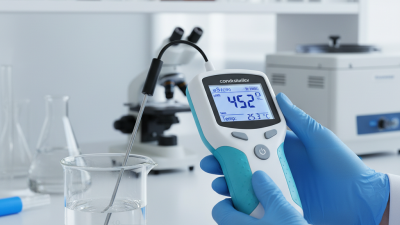
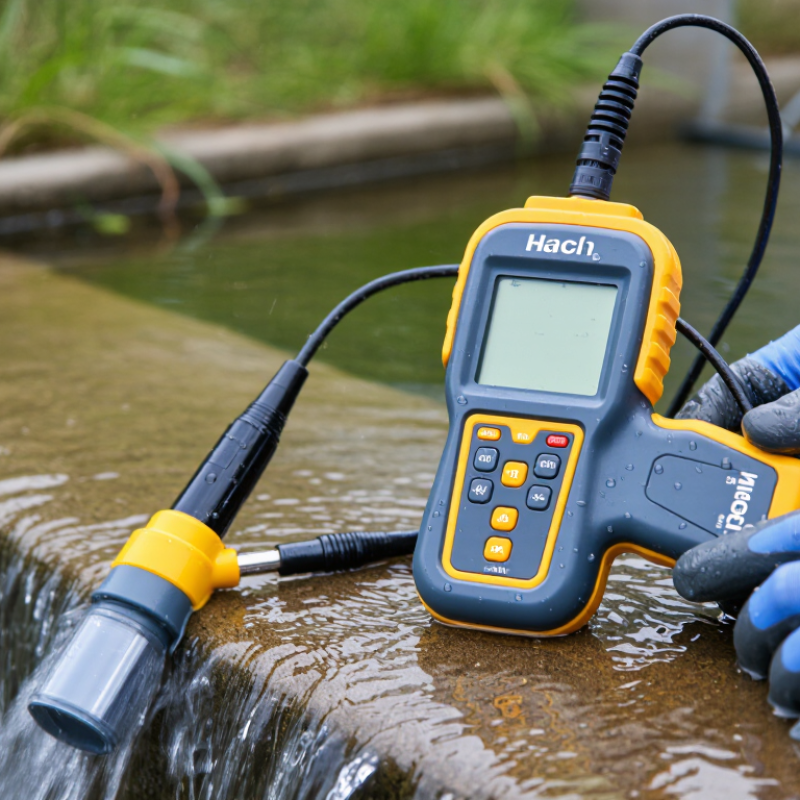
A portable conductivity meter is a handheld instrument that measures how easily electricity travels through water. Dissolved ions, such as salts and minerals, increase conductivity. The meter displays this value, usually in microsiemens per centimeter or millisiemens per centimeter. It does not identify each substance separately. That limitation matters.
In field testing, I use a clean sample cup and rinse the probe with the same water first. A stable reading often takes several seconds. Temperature changes can affect conductivity, so automatic temperature compensation improves consistency. However, it does not repair a dirty sensor or a poorly collected sample. Calibration should use a certified standard close to the expected measurement range. Record the standard value, temperature, time, and sample location.
Small details affect reliability. Air bubbles trapped around the electrodes can distort results. Residue from a previous sample can also create a false increase. Keep the probe moist only when the manufacturer permits it; some sensors require dry storage. I have found that hurried rinsing causes more trouble than difficult field conditions. No reading is perfect. Repeat questionable measurements, inspect the sensor, and compare results with a laboratory method when decisions carry serious consequences. A practical 2026 meter should offer a readable display, durable housing, replaceable electrodes, clear calibration controls, and documented accuracy limits.
How Hach Portable Conductivity Meters Measure Water Conductivity
A portable conductivity meter measures water’s ability to carry an electrical current. Two electrodes apply a small alternating voltage through the sample. Dissolved ions, including chloride, sodium, and sulfate, carry that current. The instrument converts the response into conductivity, usually reported in microsiemens per centimeter (µS/cm). The cell constant matters. Poor calibration can create a convincing but wrong result.
Temperature changes conductivity significantly. Most meters measure temperature beside conductivity, then calculate a temperature-compensated value at 25°C. The USGS National Field Manual recommends reporting specific conductance with temperature and measurement conditions. This detail matters during field sampling. A cold stream and a warm storage tank may contain similar ions, yet display different raw readings.
Conductivity is a screening measurement, not a complete water-quality diagnosis. The U.S. EPA lists 500 mg/L as a secondary standard for total dissolved solids, but conductivity-to-TDS conversion varies by ionic composition. A high reading may indicate salts, fertilizer runoff, or industrial influence. It does not identify the contaminant. The WHO Guidelines for Drinking-water Quality also emphasize that acceptability and safety require broader testing.
Tips: Rinse the probe with sample water before measuring. Remove trapped air bubbles. Wait for a stable reading. Record temperature, location, and time. Use certified standards near the expected range. I still recheck unusual results manually; a steady display can hide a dirty cell, weak calibration, or a poorly mixed sample.
2026 Best Portable Conductivity Meter? — How Portable Conductivity Meters Measure Water Conductivity
| Water Sample or Use |
Typical Conductivity at 25°C |
Recommended Cell Constant |
Measurement Considerations |
Practical Meter Requirement |
| Ultrapure water |
Approximately 0.055 µS/cm |
0.01 cm⁻¹ |
Carbon dioxide absorption and contamination can quickly increase the reading. |
Low-range resolution, clean flow cell, and strict contamination control. |
| Distilled water |
Approximately 0.5–3 µS/cm |
0.01 or 0.1 cm⁻¹ |
The result depends on distillation quality, storage conditions, and exposure to air. |
Stable low-conductivity measurement and temperature display. |
| Reverse-osmosis permeate |
Approximately 1–50 µS/cm |
0.01 or 0.1 cm⁻¹ |
Membrane condition, feed-water quality, and system recovery affect the value. |
Automatic range selection and repeatable calibration. |
| Drinking water |
Approximately 50–800 µS/cm |
0.1 or 1.0 cm⁻¹ |
Dissolved minerals, treatment chemicals, and geological conditions influence conductivity. |
General-purpose portable range with automatic temperature compensation. |
| Softened water |
Approximately 100–1,500 µS/cm |
1.0 cm⁻¹ |
Ion exchange may replace calcium and magnesium with sodium without reducing total ionic content. |
Routine calibration verification and a medium-range conductivity sensor. |
| Boiler or cooling-system water |
Approximately 100–10,000 µS/cm |
1.0 or 10 cm⁻¹ |
Chemical dosing, concentration cycles, and temperature can cause significant variation. |
Wide range, durable probe, and adjustable temperature-compensation settings. |
| Brackish water |
Approximately 1–10 mS/cm |
1.0 or 10 cm⁻¹ |
Salinity and temperature strongly affect the reading; rinse the probe after use. |
High-range capability, automatic range selection, and corrosion-resistant materials. |
| Seawater |
Approximately 50–55 mS/cm |
10 cm⁻¹ |
Temperature, salinity, and pressure conditions must be considered for comparable results. |
High-conductivity range and a probe designed for saline environments. |
| Wastewater or process water |
Approximately 0.5–20 mS/cm |
1.0 or 10 cm⁻¹ |
Suspended solids, coatings, bubbles, and changing chemical composition can reduce repeatability. |
Rugged probe, easy cleaning, stable readings, and field data logging. |
How a Portable Conductivity Meter Measures Water
| Measurement Step |
What Happens |
Why It Matters |
| Apply an alternating electrical signal |
The meter applies a small AC signal between the conductivity cell electrodes. |
AC measurement helps reduce electrode polarization compared with a constant DC signal. |
| Measure electrical conductance |
The instrument measures how easily current passes through ions in the water. |
More dissolved ions generally produce greater conductance. |
| Apply the cell constant |
Conductance is converted to conductivity using the calibrated cell constant, commonly expressed in cm⁻¹. |
The cell geometry affects the result, so correct calibration is essential. |
| Measure temperature |
An integrated temperature sensor records the sample temperature. |
Water conductivity changes with temperature, so readings are often reported at or corrected to 25°C. |
| Display and record the result |
The meter displays conductivity in µS/cm or mS/cm and may store readings with time and temperature. |
Consistent units and recorded temperature make field results easier to compare. |
Field measurement reminder:
Rinse the probe with the sample, remove trapped air bubbles, allow the reading to stabilize, and verify calibration with a suitable conductivity standard before critical measurements.
Key Features to Compare in 2026
Choosing the best portable conductivity meter in 2026 requires more than checking the advertised range. Field experience shows that probe quality, calibration stability, and temperature compensation often determine usable results. A wide range is helpful, but poor readings near the lower limit can mislead water-treatment decisions.
Look for automatic temperature compensation, clear calibration prompts, and support for certified reference solutions. A meter should display conductivity, temperature, and measurement status without forcing users through crowded menus. I prefer a sealed housing, textured grip, and a replaceable probe cable. These details matter beside tanks, streams, or wet laboratory benches. Battery life should cover a full working day, while USB charging can simplify routine maintenance.
Data logging is increasingly valuable in 2026. Internal memory, time stamps, and simple export options help connect field readings with quality records. Wireless transfer sounds convenient, yet it should not replace local storage. My own mistake was trusting a stable number before rinsing the probe properly. Residue changed the next reading. Small details matter.
Check the meter’s IP rating, operating temperature, and calibration documentation before purchase. A backlit screen helps in shaded areas, although it can drain batteries quickly. Some instruments promise instant readings, but a short stabilization period is usually more credible. Independent verification against a known solution remains wise, especially when measurements influence process control.
2026 Best Portable Conductivity Meter? Key Features to Compare
A suitable portable conductivity meter should cover the conductivity levels expected in the intended application. The chart shows representative conductivity values on a logarithmic scale; actual samples vary with temperature, dissolved solids, and water chemistry.
Key Features to Compare in 2026
- Measurement range: Select a range that covers the lowest and highest expected samples. Typical freshwater is often about 50–1,500 µS/cm, while seawater is approximately 50,000–55,000 µS/cm.
- Accuracy and resolution: Compare stated accuracy, repeatability, and the smallest displayed increment rather than range alone.
- Temperature compensation: Automatic temperature compensation is important because conductivity changes significantly with temperature. Check the supported temperature range and reference temperature.
- Calibration: Look for calibration points and standards appropriate for low-, medium-, and high-conductivity measurements.
- Probe design: A suitable cell constant, replaceable probe, and durable cable can improve measurement stability and service life.
- Field durability: Check the enclosure protection rating, operating temperature, screen readability, and battery life before outdoor use.
Representative values: drinking water 50–500 µS/cm, freshwater 50–1,500 µS/cm, brackish water 1,000–10,000 µS/cm, seawater approximately 50,000–55,000 µS/cm, and concentrated process water up to about 200,000 µS/cm. Values are approximate and application-dependent.
Best Hach Models for Different Testing Needs
Choosing the best portable conductivity meter depends on the testing environment, not only the display or advertised range. For routine water screening, select a model with automatic temperature compensation, replaceable probes, and clear calibration prompts. Field technicians often work beside tanks, wells, or treatment lines. A sealed housing and one-handed operation can prevent small mistakes.
For drinking-water checks, conductivity helps indicate dissolved ionic material, but it does not identify individual contaminants. The U.S. Environmental Protection Agency lists 500 mg/L as the secondary standard for total dissolved solids. Conductivity can support this assessment, although conversion varies with water chemistry. The World Health Organization also reports that water above 1,200 mg/L TDS may become noticeably unacceptable in taste.
Treat these values as screening guidance, not laboratory proof.
Low-conductivity testing needs a cleaner cell and better resolution.
High-conductivity samples need a wider measurement range and stronger probe materials. APHA Standard Methods 2510 B emphasizes temperature control and proper calibration for reliable conductivity results. In practice, calibration before a sampling round is wise.
Very wise. Yet field conditions can still distort readings through bubbles, residue, or unstable temperatures.
I have found that a meter with excellent specifications may perform poorly when users rush rinsing steps. Match the instrument to the sample, record temperature, and verify unusual results with an independent method.
How to Select, Calibrate, and Maintain the Right Meter
Choosing the best portable conductivity meter in 2026
starts with the sample, not the display.
Measure the expected conductivity range before comparing features. Clean water may need a sensitive cell, while concentrated process liquids require a wider range. Check temperature compensation carefully. Automatic compensation helps, but it cannot correct a dirty or unsuitable probe.
Calibration should match real working conditions.
Use fresh, traceable standards near your expected readings, such as 1413 µS/cm or 12.88 mS/cm. Rinse the probe with deionized water, then gently shake away droplets. Never wipe the electrodes aggressively. My early mistake was calibrating beside a running pump. Electrical noise affected the result. A quiet bench produced better readings. Allow the meter and standard to reach similar temperatures. Record the standard value, temperature, date, and operator.
Small habits protect accuracy.
Rinse the probe immediately after oily, salty, or sticky samples. Inspect the cable and connector before entering the field. Store the sensor according to its construction, because some probes require a moist environment while others must remain dry. Replace damaged seals promptly. Compare occasional readings with a second verified meter. A stable number is not always a correct number. If results drift, check contamination, bubbles, temperature settings, and cell condition before blaming the instrument. Keep a simple maintenance log. It exposes patterns that memory misses.