What Is a Chlorine Colorimeter and How Does It Work?

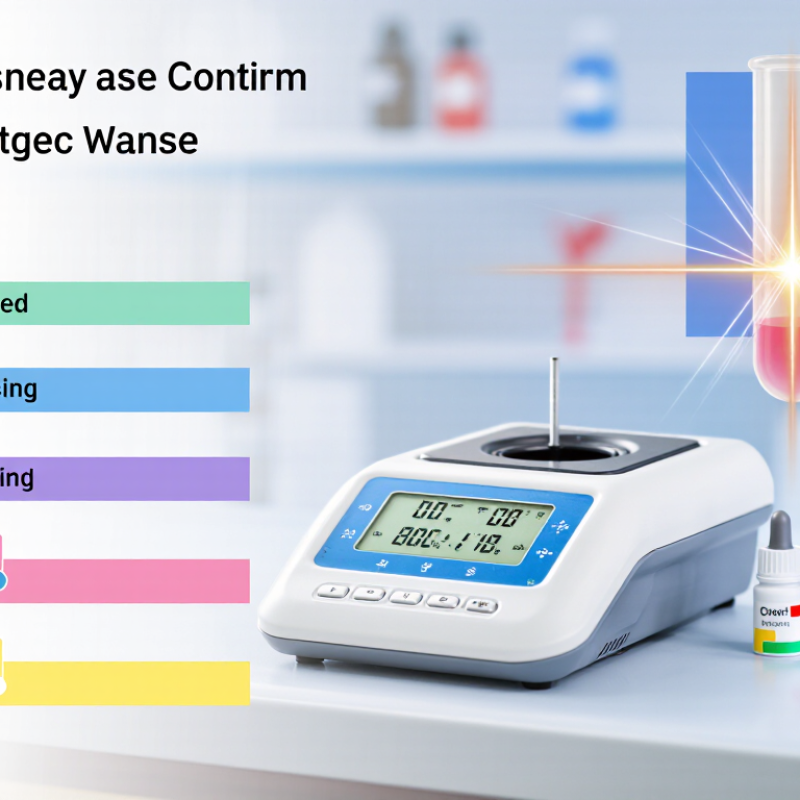
A chlorine colorimeter is a compact instrument for measuring chlorine in water. It turns a chemical reaction into a numerical result. In many common tests, a reagent such as DPD reacts with chlorine and develops a pink color. The instrument shines light through the prepared sample and measures how much light the color absorbs. Stronger color generally indicates a higher concentration. The displayed result is often reported in milligrams per liter as chlorine, but the test method determines exactly what is measured.

Small details count. The sample must be collected and tested according to the instrument’s instructions. Reagent amount, mixing, timing, and a clean sample cell can all affect the reading. Some methods measure free chlorine; others measure total chlorine, which includes combined forms. These values are not interchangeable. A colorimeter also does not identify every possible cause of an unusual result. Turbidity, colored water, expired reagents, or a scratched cell may interfere. That can be easy to overlook.

This guide explains the main parts of a chlorine colorimeter and the basic steps behind its operation. It also considers how to interpret readings and avoid common testing errors. A displayed number can look precise. It still depends on careful sampling and a suitable method. When results matter, follow the manufacturer’s procedure and compare measurements with an appropriate reference method. The instrument helps make testing consistent, though it cannot replace good judgment.
What Is a Chlorine Colorimeter and How Does It Work?

What a Chlorine Colorimeter Measures

What Is a Chlorine Colorimeter and How Does It Work?

A chlorine colorimeter measures the concentration of chlorine in a water sample, usually in milligrams per liter (mg/L) as Cl₂. A reagent, commonly DPD, reacts with chlorine and turns the sample pink. The instrument measures the color’s intensity and converts it into a concentration reading. Darker color generally means more chlorine. It does not directly measure bacteria or prove that water is safe.

The result depends on what the test is designed to measure. A free-chlorine test detects disinfectant available in the water; a total-chlorine test also includes combined chlorine. U.S. EPA Method 330.5 describes a DPD colorimetric method for total residual chlorine. The WHO Guidelines for Drinking-water Quality cite 0.5 mg/L free chlorine after at least 30 minutes of contact at pH below 8 as a disinfection benchmark. That reading is useful, but it is not a complete water-quality verdict. Sampling and timing matter.

Tips: Rinse the vial with sample water, wipe its outside, and remove bubbles before reading. Check the meter’s range and use fresh reagent. Small handling errors can shift a result; even a neat-looking number deserves a second look.
The Components Inside a Chlorine Colorimeter

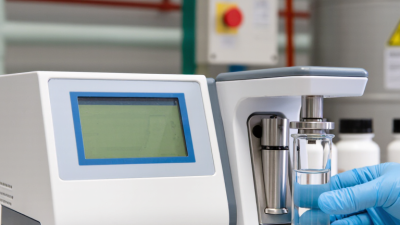
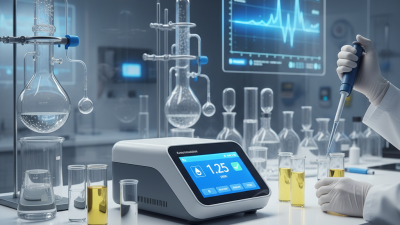
A chlorine colorimeter contains an optical source, a sample cell, a detector, and a small processor. Its light source shines through water treated with a color-forming reagent, commonly DPD. When chlorine is present, the sample turns pink. A wavelength filter selects the light used for measurement, while a photodiode measures how much passes through the cell. The processor converts that signal into a chlorine concentration, usually displayed in milligrams per liter as Cl2.

Small parts matter.

WHO’s Guidelines for Drinking-water Quality set 0.2 mg/L as a minimum free-chlorine residual at the point of delivery. That low threshold makes clean optics and consistent sample handling important. US EPA Method 330.5 describes DPD colorimetry and gives an applicable range of 0.1–4 mg/L for chlorine. A blank helps correct for the sample’s natural color before readings are compared.

The instrument is not magic; bubbles, fingerprints, or a scratched cell can distort the light path. I still treat an unexpected reading as a prompt to inspect the cell and repeat the test, rather than as unquestionable truth. Reagent age and timing can matter, too. A quick reading is useful, but only when the sample and instrument are handled consistently.

How Color Change Reveals Chlorine Concentration

A chlorine colorimeter turns a chemical color change into a concentration reading. A measured water sample is placed in a clean vial, then mixed with a reagent that reacts with chlorine. The reaction creates a colored compound. More chlorine generally produces a stronger color, within the test’s working range. The instrument shines light through the sample and measures how much is absorbed. It then compares that result with a calibration curve and displays a concentration, often in milligrams per liter.

It does not detect every form of chlorine in the same way. The reagent and procedure determine whether the result represents free chlorine or total chlorine, so the test instructions matter. Timing matters. Read the sample at the specified interval; color can continue developing or fade. Fingerprints, bubbles, cloudy water, or a vial turned slightly differently can affect the reading. Small details count. A colorimeter reduces the guesswork of matching shades by eye, but it cannot correct a poorly collected sample. Visual comparison can feel deceptively simple, and even a digital number deserves a quick check against the method, range, and sample conditions.

Steps for Testing a Water Sample

What Is a Chlorine Colorimeter and How Does It Work?
Steps for Testing a Water Sample

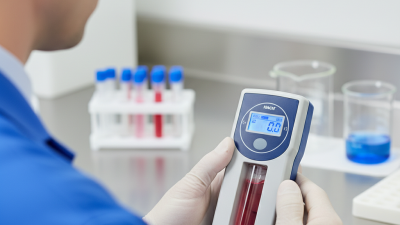
A chlorine colorimeter estimates chlorine concentration by measuring the color produced in a prepared water sample. Collect a fresh sample in a clean container, and test it promptly; chlorine levels can change during storage. Rinse the cuvette with the sample, fill it to the marked line, and wipe away droplets or fingerprints. Small details matter. Follow the instrument’s instructions to set the blank, since procedures vary. Add the specified reagent, mix gently, and wait for the stated reaction time. Then place the cuvette in the meter and record the result in mg/L. Avoid guessing the timing.

Check whether the method measures free chlorine or total chlorine. These are different readings, and the reagent procedure may differ. The U.S. Environmental Protection Agency’s Method 330.5 describes a DPD colorimetric method for measuring residual chlorine. For context, the World Health Organization’s Guidelines for Drinking-water Quality recommend at least 0.5 mg/L free chlorine after 30 minutes of contact at pH below 8, and at least 0.2 mg/L at delivery. These figures are operational guidance, not a substitute for local targets or site procedures. A rushed read can look convincing. Question it if the sample is cloudy, the blank is unstable, or the result seems inconsistent; repeat the test with fresh reagents and a clean cuvette.

Common Uses and Measurement Limitations

A chlorine colorimeter estimates chlorine concentration by measuring how much light a treated water sample absorbs. Many field instruments use DPD reagent: chlorine creates a pink color, and the meter compares its intensity with a blank sample. Operators use these readings to check drinking water, pools, cooling systems, and wastewater treatment. The method is quick, but it measures a prepared sample, not every condition in the water system.

Results depend on careful sampling and handling. Dirty vials, fingerprints, cloudy water, and expired reagent can distort readings. High chlorine levels may bleach the pink color, producing a misleadingly low result. Timing matters, too: waiting too long after adding reagent can change the reading. EPA lists 4 mg/L as chlorine’s maximum residual disinfectant level in public drinking water; this is a regulatory limit, not a recommended operating target. A colorimeter reading alone cannot confirm that disinfection was adequate. That distinction is easy to miss.

Tips: Rinse the vial with sample water, wipe its exterior, and follow the instrument’s reaction time exactly. Test promptly, and repeat unexpected results with a diluted sample when the method allows. Record the reagent lot and sample location. CDC guidance uses at least 1 ppm free chlorine for many pools and 3 ppm for hot tubs; conditions and local operating guidance can differ. Sources: U.S. EPA, National Primary Drinking Water Regulations; CDC, Home Pool and Hot Tub Water Treatment and Testing.