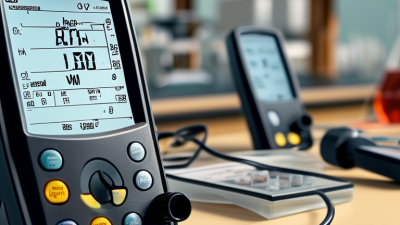
A conductivity meter for water is a practical instrument for measuring how easily water carries an electrical current. That ability depends mainly on dissolved ions, including salts, minerals, acids, and other charged substances. Pure water conducts very poorly. Tap water, seawater, and wastewater usually produce much higher readings.
The principle is simple. The interpretation is not.
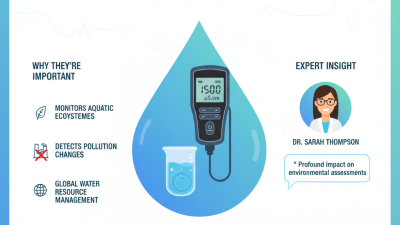
Dr. John D. Hem, a respected U.S. Geological Survey hydrologist, wrote, “Specific conductance is a measure of the capacity of water to conduct an electric current.” This statement captures the instrument’s central purpose. A probe applies a small electrical signal between electrodes. The meter then reports conductivity, commonly in microsiemens per centimeter (µS/cm).
Temperature matters greatly. Warm water generally conducts electricity more efficiently than cold water. Reliable meters therefore use temperature compensation, although automatic compensation can still hide important differences. Calibration with a certified standard is essential. A dirty probe, trapped air bubbles, or incomplete rinsing may distort the result.
In a laboratory, technicians may use conductivity to check purified water, monitor treatment systems, or identify sudden mineral changes. In the field, the same reading can reveal possible mixing, salt intrusion, or industrial discharge. It cannot identify a specific contaminant by itself. A high reading does not automatically mean unsafe water, and a low reading does not prove safety.
That limitation deserves attention. Conductivity is a screening measurement, not a complete water-quality assessment. When results appear unusual, professionals compare temperature, pH, dissolved solids, sampling conditions, and laboratory analyses. Used carefully, a conductivity meter for water turns an invisible chemical change into a visible, measurable signal.
What Is a Conductivity Meter for Water?
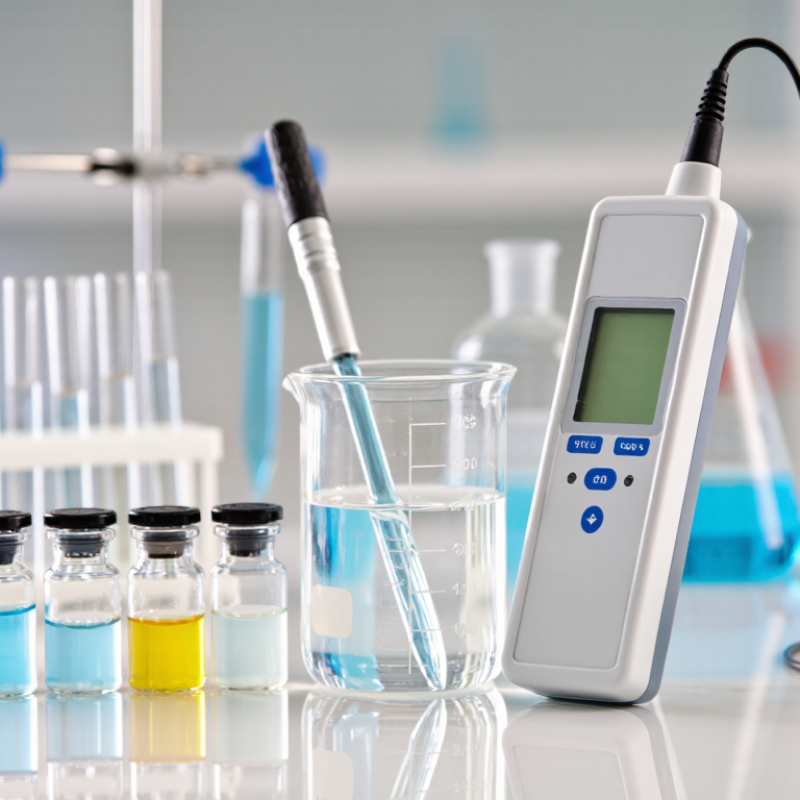
A water conductivity meter is an instrument that measures how easily water carries an electrical current. It detects dissolved ions, including salts, minerals, acids, and alkaline substances. These ions increase conductivity. Very pure water usually shows low conductivity, while mineral-rich water produces a higher reading. The result is commonly displayed in microsiemens per centimeter (µS/cm). Temperature affects conductivity, so reliable meters use temperature compensation or require manual correction.
The main purpose of a water conductivity meter is to assess water quality quickly. It can help monitor drinking-water treatment, laboratory samples, boilers, aquariums, and hydroponic solutions. It does not identify every contaminant. A high reading may indicate dissolved substances, but it cannot confirm whether they are safe or harmful. The reading can look precise while the sample handling is poor. Clean the probe, calibrate it with a suitable standard, and rinse it with distilled water before testing. Test fresh samples in clean containers. Avoid touching the sensor.
Tips: Let the probe stabilize before recording the value. Keep the sensor fully immersed, without trapping air bubbles. Check calibration regularly, especially after testing dirty or concentrated samples. Temperature matters. Record it with every result. If readings change suddenly, inspect the probe, sample container, and calibration process before trusting the conclusion.
| Data Dimension | Definition or Measurement Detail | Typical Water-Related Value | Practical Purpose |
|---|---|---|---|
| Instrument definition | A conductivity meter measures how readily water conducts an electrical current between electrodes. | Reported as electrical conductivity, usually at a stated reference temperature. | Provides a rapid indication of dissolved ionic material in water. |
| Measurement principle | The meter applies an alternating electrical signal and determines conductance through the water sample. | Higher concentrations of mobile ions generally produce higher conductivity. | Supports quick screening without identifying every dissolved substance individually. |
| Primary unit | Conductivity is expressed in siemens per metre or, commonly for water, microsiemens per centimetre and millisiemens per centimetre. | 1 mS/cm = 1,000 µS/cm. | Makes results easier to compare across laboratory, industrial, and field measurements. |
| Temperature reference | Because conductivity changes with temperature, readings are commonly compensated or normalized to a reference temperature. | 25 °C is a widely used reference temperature. | Improves comparability when samples are measured at different temperatures. |
| Theoretical pure water | Water containing very few ions conducts very little electrical current. | Approximately 0.055 µS/cm at 25 °C for ideal ultrapure water. | Provides a reference point for evaluating high-purity water systems. |
| Typical drinking water range | Natural mineral content and treatment processes cause conductivity to vary substantially. | Often about 50–500 µS/cm, depending on the water source and treatment. | Helps identify broad changes in water mineral content or treatment performance. |
| Fresh surface water | Rivers, lakes, and streams may show different conductivity levels because of geology, runoff, and dissolved salts. | Commonly ranges from tens to several thousand µS/cm. | Supports environmental monitoring and detection of unusual changes. |
| Seawater | Seawater contains substantial concentrations of dissolved ions, particularly salts. | Approximately 50–55 mS/cm near 25 °C, depending on salinity and temperature. | Useful for salinity-related monitoring when the meter and calibration range are appropriate. |
| Total dissolved solids estimate | Some meters estimate TDS from conductivity using a conversion factor. | A common approximate factor is TDS ≈ 0.5–0.9 × conductivity in µS/cm, expressed as mg/L. | Provides an approximate dissolved-solids value, not a direct chemical analysis. |
| What the reading indicates | Conductivity reflects the combined effect of dissolved charged particles that can carry electrical current. | It does not identify the specific ions or contaminants present. | Use conductivity as a screening or process-control parameter alongside other tests. |
| Common sensor types | Contacting sensors use electrodes in the sample; inductive or toroidal sensors measure conductivity without direct electrode contact. | Sensor selection depends on conductivity range, fouling risk, and sample chemistry. | Improves measurement reliability for clean, dirty, corrosive, or high-conductivity water. |
| Calibration requirement | Calibration is performed with a solution of known conductivity and should match the expected measurement range. | Calibration solutions are commonly prepared around 84 µS/cm, 1,413 µS/cm, or 12.88 mS/cm. | Reduces measurement error and verifies sensor condition. |
| Key factors affecting results | Temperature, sensor cleanliness, cell constant, bubbles, sample contamination, and calibration quality can influence readings. | Stable temperature and a fully wetted, clean sensor are preferred. | Helps users obtain repeatable results and recognize abnormal measurements. |
| Main applications | Water treatment, reverse-osmosis monitoring, laboratory testing, aquaculture, hydroponics, environmental surveys, and industrial process control. | The suitable measuring range depends on the specific application and water type. | Enables fast routine checks, trend monitoring, and early detection of process changes. |
A conductivity meter measures how easily water carries an electrical current. Dissolved ions make this movement possible. Salts, minerals, acids, and bases can release charged particles into water. More mobile ions usually create higher conductivity readings. Pure water conducts very weakly. Tap water often shows a stronger signal because it contains natural minerals and treatment residues.
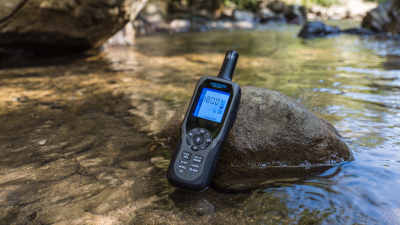
In practical testing, the sensor is placed directly into a clean water sample. The meter applies a small electrical signal between its electrodes. It then reports conductivity, commonly in microsiemens per centimeter. Temperature matters. Warm water can conduct electricity more effectively, so reliable meters compensate for temperature or reference results to 25°C. Rinsing the probe and avoiding trapped air bubbles can also improve consistency.
A conductivity reading does not identify every substance in the sample. It cannot confirm whether the ions are safe, harmful, or suitable for drinking. Two samples may show similar conductivity while containing different dissolved materials. Conductivity can also help estimate total dissolved solids, but that estimate depends on the water’s chemical composition. That distinction matters.
For example, distilled water may show a low reading, while mineral-rich water may show a much higher one. However, a dirty probe, changing temperature, or poor calibration can distort the result. A reading is not a verdict. It is one useful measurement that should be interpreted with sampling conditions and, when necessary, laboratory analysis.
What Is a Conductivity Meter for Water?
Main Components and Measurement Principles
A conductivity meter measures how easily water carries an electrical current. Dissolved ions, such as salts and minerals, allow that current to pass. Pure water conducts poorly. The meter reports conductivity, usually in microsiemens per centimeter or millisiemens per centimeter. It does not identify each dissolved substance. It measures their combined ionic effect. That distinction matters during water testing.
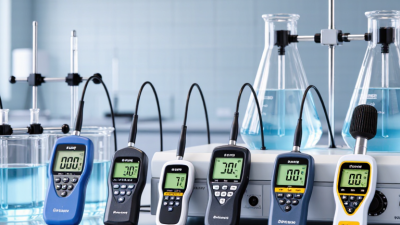
The main sensing part is a conductivity cell with two or four electrodes. An alternating electrical signal passes through the sample, reducing electrode polarization. The instrument calculates conductance from the measured current and voltage. It then applies the cell constant, which reflects electrode spacing and surface area. A temperature sensor is also important. Conductivity changes noticeably with temperature, so the meter may display a temperature-compensated value. The display, processor, battery, and data memory complete the working system.
Calibration requires a reference solution with a known conductivity value. Rinse the cell carefully, remove trapped bubbles, and allow the reading to stabilize. I have seen clean-looking probes produce unstable results because residue remained between the electrodes. A small temperature difference can also change the reading. Automatic compensation helps, but it is not perfect. For reliable work, record the sample temperature, calibration details, and measurement time. Stirring too strongly may introduce bubbles, while no mixing can leave the sample uneven. Practical judgment still matters.
A conductivity meter estimates how easily water carries an electrical current. Dissolved ions, such as salts and minerals, increase conductivity. The result usually appears in microsiemens per centimeter (µS/cm) or millisiemens per centimeter (mS/cm). This instrument helps check drinking water, process water, aquariums, and laboratory samples. However, conductivity does not identify every contaminant. A clear reading is not proof that water is safe.
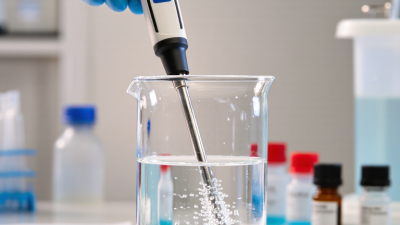
Turn on the meter and check the probe for residue or damage. Calibrate it with a certified conductivity standard near the expected sample range. Rinse the probe with clean water, then rinse it again with a small amount of the sample. Pour the sample into a clean container. Avoid touching the probe tip or trapping air bubbles around it. Place the probe fully into the water and gently stir once. Wait until the number becomes stable. Record the value, temperature, date, and sample location. Temperature matters because conductivity changes as water warms. Use automatic temperature compensation when available, but verify its setting. I sometimes repeat a measurement after cleaning the probe, because a stable number can still be wrong.
Tips: Keep the probe wet according to its instructions. Do not wipe the sensing area aggressively. Test samples at similar temperatures when comparing results. If readings jump repeatedly, inspect the cable, container, and calibration process. Use a fresh standard, not an old opened solution. Small habits improve reliability.
A conductivity meter for water measures how easily dissolved ions carry an electrical current. Clean water usually conducts poorly, while water containing salts, minerals, or treatment chemicals shows a higher reading. The result commonly appears in microsiemens per centimeter (µS/cm) or millisiemens per centimeter (mS/cm). Read it steadily. Rinse the probe with suitable water, remove trapped air, and wait for the value to stabilize. Temperature matters because warmer water often produces higher conductivity. Automatic compensation helps, but it does not make the measurement perfect.
Conductivity readings support practical decisions in laboratories, aquaculture systems, hydroponics, boiler maintenance, and drinking-water monitoring. A sudden increase may indicate mineral buildup, chemical carryover, or contamination. In purified-water production, a low reading can help verify process performance. Numbers need context. Compare results with a calibrated reference, sampling location, temperature, and historical records. A single measurement can mislead, especially after incomplete mixing or poor probe cleaning.
The meter also has clear limitations. It cannot identify which ions are present, and it cannot directly confirm that water is safe to drink. Two samples may share similar conductivity while containing very different substances. High conductivity does not automatically mean dangerous water, and low conductivity does not prove purity. In field work, I would record the time, temperature, and sample condition before interpreting changes. Even careful users can overlook residue on the sensor. Calibration should follow the instrument’s technical instructions and use appropriate standards. Geological conditions and local treatment practices also influence the expected range.
Water conductivity indicates how easily dissolved ions carry electrical current. The values below are representative measurements at 25°C and are shown on a logarithmic scale.
Reading results: Lower conductivity generally indicates fewer dissolved ions, while higher conductivity suggests greater mineral or salt content. Conductivity meters are commonly used for drinking-water checks, laboratory water-quality control, wastewater monitoring, and detecting changes in treatment performance.
Limitation: Conductivity does not identify specific contaminants. Temperature, dissolved gases, ionic composition, and suspended materials can affect the reading, so measurements should be temperature-compensated and interpreted with other water-quality tests.