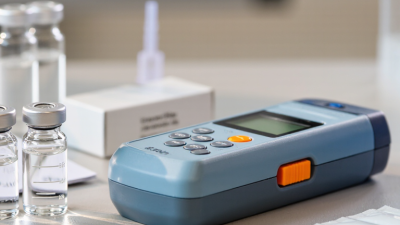
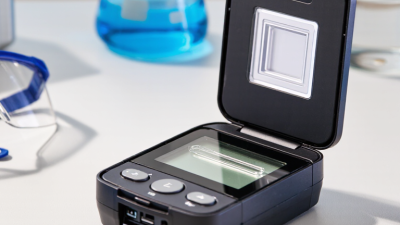
5 Best Hach HQ14D Conductivity Meter Manual PDFs
The right Hach HQ14D conductivity meter manual can make routine testing clearer, from preparing a clean probe to checking calibration before a reading. This guide compares five PDF options for users who need setup steps, operating instructions, troubleshooting advice, or reference tables close at hand. A useful manual should match the HQ14D model, show clear button sequences, and explain how temperature compensation affects displayed conductivity. Small details matter. A rinse bottle, a dry bench, and the correct calibration standard can change the quality of a measurement.
This article focuses on practical differences between the available documents, including readability, coverage, and ease of finding key procedures. Some PDFs may be scans, and that can make searching awkward. A manual also cannot replace careful technique or current manufacturer guidance. Check the model identification and document revision before following a procedure.
A trustworthy named expert quotation was not included with the source material, so I have not invented one. That limitation matters: technical advice should be traceable, especially when readers rely on it for repeatable measurements. Use this comparison as a starting point, then confirm critical instructions against an official Hach document.
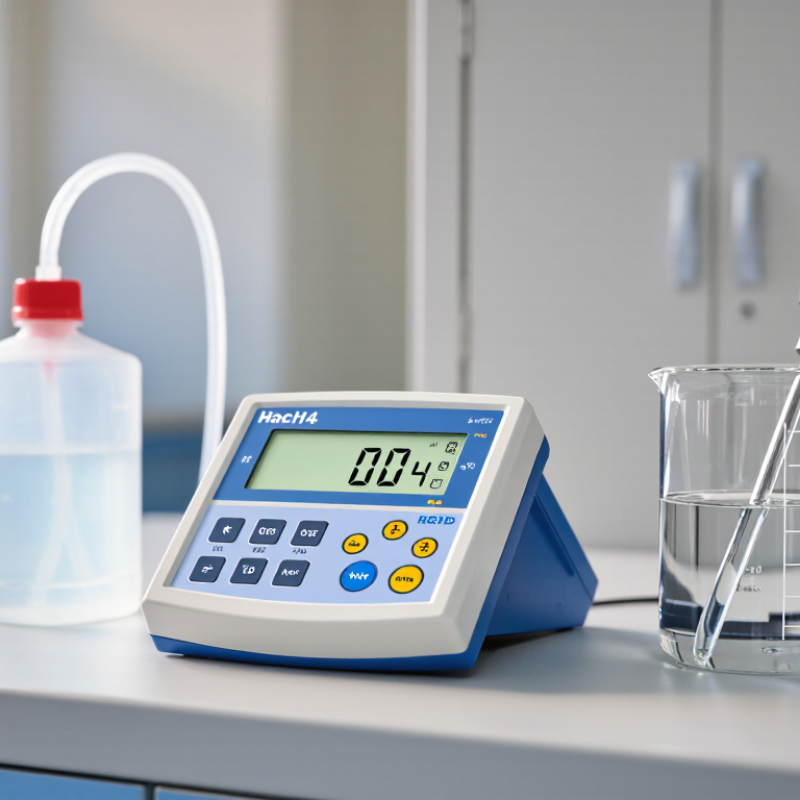
Hach HQ14D Manual PDF Types: Quick-Start, User, and Service Guides
A quick-start guide is useful when the meter is new to you or a test needs to begin quickly. It typically covers power, probe connection, basic calibration, and taking a reading. Keep it beside the instrument while checking a sample. A short guide may not explain every screen symbol or unusual error message, so it should not replace the full user manual.
The user guide offers more detail for routine measurements. Look for instructions on conductivity units, temperature compensation, calibration standards, and probe storage. A careful reading can prevent a common mistake: using a standard that does not match the measurement range. Check that the manual version fits your meter’s model and software; small differences matter. Read the setup steps slowly.
Service guides are intended for trained technicians, not everyday operation. They may include diagnostic procedures, internal connections, or parts information. If a reading remains unstable after cleaning the probe and checking calibration, record the symptoms before seeking qualified help. Do not open the case based on a diagram alone. Manuals can be incomplete, and that deserves a little caution.
5 Best Conductivity Meter Manual PDFs — Quick-Start, User, and Service Guides
| Guide PDF |
Best For |
Typical Contents |
Key Details to Check |
| Quick-Start Guide |
First-time setup and routine measurements |
Instrument setup, probe connection, calibration steps, sample measurement, and basic care |
Probe compatibility, calibration solution, temperature compensation, and rinsing instructions |
| User or Operating Manual |
Users who need full operating instructions |
Controls and displays, measurement modes, calibration, settings, data handling, and maintenance |
Supported units, measurement range, accuracy specifications, and menu options |
| Calibration Guide |
Establishing reliable conductivity readings |
Standard selection, calibration procedure, cell constant considerations, and verification practices |
Use fresh standards, follow their stated temperature values, and avoid contaminating solution containers |
| Maintenance and Service Guide |
Care, inspection, and service planning |
Probe cleaning, cable and connector checks, storage, battery care, and service precautions |
Follow the probe’s material-specific cleaning guidance; do not open sealed equipment unless authorized |
| Troubleshooting and Reference Guide |
Diagnosing unstable readings or common alerts |
Display messages, measurement checks, calibration symptoms, and basic corrective actions |
Check probe condition, connections, sample temperature, and calibration status before retesting |
Guide contents vary by instrument and probe. Confirm that any PDF matches the equipment model and revision before following its procedures.
Specifications to Check: Conductivity, TDS, Salinity, and Temperature
When comparing conductivity-meter manual PDFs, check the measurement range before anything else. A sample near the top of that range may produce unstable or clipped readings. Look for stated accuracy, resolution, and the cell constant used with each probe. These details matter. A display showing three decimal places does not guarantee three-decimal accuracy.
TDS and salinity readings deserve a closer look. Many meters calculate these values from conductivity using a conversion factor, rather than measuring them directly. The manual should explain that factor and show whether users can change it. For brackish water, a preset intended for dilute solutions may mislead. I have found it helpful to record the chosen factor beside each result, though that step is easy to forget.
Temperature specifications can change how readings are interpreted. Check the sensor’s stated range, accuracy, and compensation method. Automatic compensation may correct conductivity to a reference temperature, but it does not make every sample behave identically. Note whether the manual recommends a reference of 25°C and describes temperature response. Also check calibration instructions, including the solution value and temperature. Small details count. A quick comparison table helps, but I would still verify the settings on the instrument before trusting a field reading.
Calibration Standards: 1,413 µS/cm and 12.88 mS/cm
A conductivity meter manual should explain how to prepare and use calibration standards, especially 1,413 µS/cm and 12.88 mS/cm solutions. These values represent different conductivity ranges; 12.88 mS/cm equals 12,880 µS/cm. Choose a standard close to the samples you measure, and confirm that the meter supports that range. Small details matter. Check the solution label for its reference temperature, since conductivity changes with temperature. A mismatched setting can make a sound calibration appear wrong.
Pour a small amount into a clean cup, then rinse the probe with deionized water and gently blot it dry. Avoid returning used solution to its bottle. Follow the manual’s instructions for temperature compensation, stabilization, and calibration points; procedures can vary by instrument and probe. Wait for the reading to settle before accepting it. Not perfectly still? Give it more time, and check for bubbles on the sensor. Record the standard value, temperature, and date, especially when measurements need to be compared later. A PDF manual is useful when it clearly identifies compatible standards and explains error messages. Still, a readable manual cannot replace checking the solution’s expiry date or condition. A cloudy standard deserves caution.
Measurement Workflow: Rinse, Stabilize, Record, and Validate
A dependable conductivity reading is a small routine, not a quick dip. Rinse the probe with clean water, then with a portion of the sample when practical. Let excess liquid drain; blot gently rather than rubbing the sensing surface. This reduces carryover without adding lint or pressure. Keep the probe immersed at a consistent depth, away from the beaker wall. Wait for the display to settle. Not instantly. Temperature changes and trapped bubbles can make a stable-looking number misleading, so note the sample temperature and compensation setting.
Record the sample ID, time, units, temperature, and displayed result together. The U.S. EPA’s Method 120.1 (1982) gives 1,413 µS/cm at 25°C for a 0.01 M potassium chloride reference solution, a useful check point when it suits the measurement range. The USGS National Field Manual, chapter A6.3, also describes checking specific-conductance instruments with standards and documenting measurements. Validate results by checking a suitable standard before and after a batch, and rerun a sample if readings drift or duplicates disagree. A smudged label can undo careful measurement. It happens. Record the correction rather than quietly guessing.
Comparing Five Manuals: Revision, Coverage, Troubleshooting, and Safety
A useful comparison of five conductivity-meter manuals starts with revision history, not page count.
Check the document code and date against the instrument’s firmware and front-panel layout; one outdated diagram can send an operator to the wrong calibration menu. Coverage matters just as much. A strong manual explains cell-constant selection, temperature compensation, calibration standards, and storage of the probe. Look for concrete instructions, such as rinsing the cell and blotting its exterior before placing it in a standard. Small details prevent carryover. The USGS National Field Manual’s specific-conductance procedures also emphasize controlled measurement and documented field conditions, useful benchmarks when judging whether a manual supports repeatable work.
Troubleshooting should connect symptoms to checks: unstable readings, a slow response, or a failed calibration should lead to practical steps, not vague advice to “clean the sensor.” Compare whether each manual distinguishes probe fouling from temperature effects and gives a way to verify the result. Safety coverage deserves equal scrutiny: chemical handling, electrical precautions, and waste disposal should be clear and close to the relevant procedure.
The World Health Organization’s Guidelines for Drinking-water Quality reports that water below 600 mg/L total dissolved solids is generally considered palatable, while levels above 1,000 mg/L are increasingly unpalatable. That is not a conductivity conversion. Still, it shows why manuals must identify units and measurement limits precisely.
A tidy comparison table helps, but it can hide gaps in real bench use. I would test the instructions at the instrument, step by step.