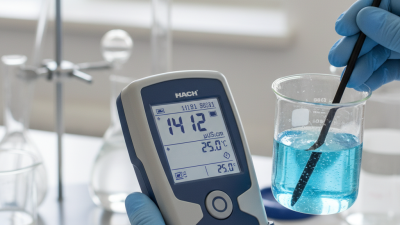
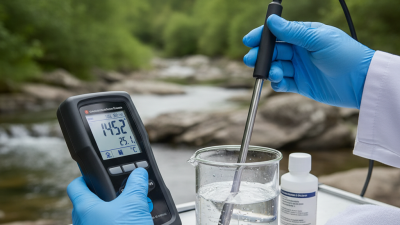
How to Use a Colorimeter for Chlorine Testing?
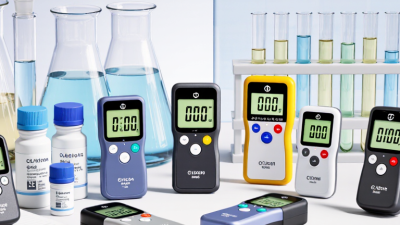
Safe chlorine control begins with a reliable measurement, not a guess beside the treatment tank. A colorimeter for chlorine testing converts a chemical reaction into a readable concentration, usually through the DPD method. The sample turns pink, and the instrument measures its color intensity.
The World Health Organization’s Guidelines for Drinking-water Quality recommend maintaining a free-chlorine residual of about 0.2–0.5 mg/L at the point of delivery. The U.S. EPA also recognizes DPD colorimetric procedures for measuring chlorine residuals in drinking-water applications. These figures matter. A weak residual may reduce microbial protection, while excessive chlorine can create taste, odor, and disinfection by-products.
Small details change results.
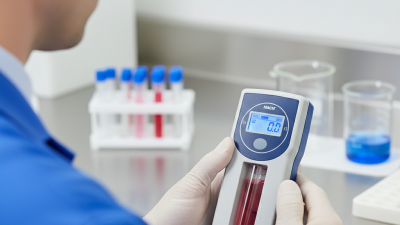
Water temperature, sample age, reagent condition, and dirty vials can all distort readings. In a busy plant, a technician may collect water in a clear cuvette, add a DPD tablet, wipe fingerprints away, and read the value within the specified reaction time. That routine looks simple. It is not always simple.
Dr. Charles N. Haas, a respected water-disinfection researcher, emphasizes the practical principle: “Chlorine measurement is central to understanding disinfection performance.” His point supports a wider lesson: instruments do not replace trained judgment. They strengthen it.
This guide explains how to use a colorimeter for chlorine testing, from sample collection to result verification. It also examines calibration, blank testing, free versus total chlorine, and common reading errors. Some results will still seem inconsistent. That is where careful records, duplicate tests, and method review become essential.
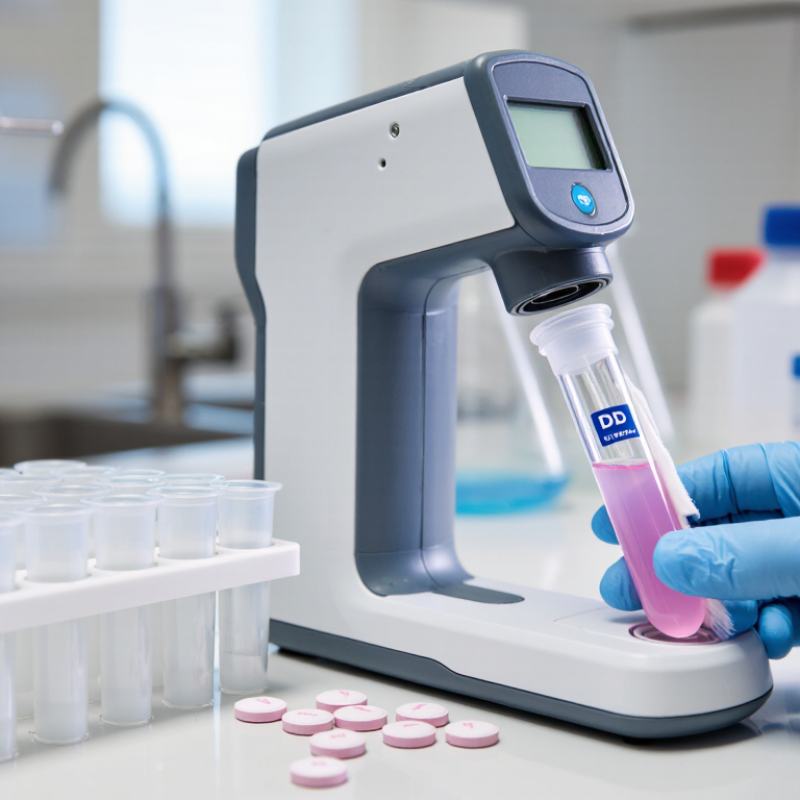
Choose a DPD Colorimeter with a Verified 0.02–2.00 mg/L Range
A DPD colorimeter is useful when chlorine results must be measured, not guessed. Choose a model with a verified 0.02–2.00 mg/L range. This span covers low drinking-water residuals and many process checks. The World Health Organization recommends at least 0.2 mg/L free chlorine at the point of delivery. It also describes 0.5 mg/L after 30 minutes of contact under suitable pH conditions (WHO, Guidelines for Drinking-water Quality, 2022).
Collect the sample in a clean glass cell. Avoid trapped bubbles and fingerprints. Add the DPD reagent at the stated dose, then mix gently. Read it promptly. Timing matters. Standard Methods 4500-Cl G identifies DPD colorimetry as an accepted approach for free and combined chlorine testing.
A verified range does not guarantee perfect results. Temperature, turbidity, expired reagents, and strong color can distort the reading. Rinse the cell, check the blank, and confirm calibration with a suitable standard. Small errors compound.
In practice, I would record the sample time, pH, temperature, and result together. That habit exposes patterns, although it can feel excessive during routine testing.
A reading near 0.02 mg/L deserves careful handling, because minor contamination may change the result significantly.
A result above 2.00 mg/L should be diluted only when the instrument procedure permits it, then documented clearly.
Collect a Representative Sample Without Losing Residual Chlorine
How to Use a Colorimeter for Chlorine Testing?
Collect a Representative Sample Without Losing Residual Chlorine
Accurate chlorine testing begins before the colorimeter is switched on. A poor sample can create a precise-looking mistake. Use a clean sample cell or glass container, and rinse it with the water being tested. Avoid soap residue, fingerprints, and dusty surfaces.
Choose a sampling point that represents the water system, not a stagnant corner. Let the tap run until the temperature and flow become steady, but avoid excessive flushing. Over-flushing may produce a sample that does not reflect normal use. Fill the container gently, without splashing or creating bubbles. Leave little or no headspace, because chlorine can escape into the air. Test the sample immediately.
Keep the sample away from direct sunlight and heat. Add the approved reagent at the specified volume, then mix with a consistent motion. Do not shake aggressively. Wait for the exact reaction time before placing the cell into the colorimeter. Wipe the outside with a lint-free cloth, especially over the optical windows. Even a fingerprint can affect the reading.
Check the instrument with a blank or control standard when required by the procedure. Record the sampling location, time, temperature, and result. That record supports reliable decisions and makes unusual readings easier to investigate. I have found that rushing the collection step causes more trouble than operating the meter. Still, field conditions are imperfect. Repeat questionable results rather than forcing them to fit expectations.
Zero the Instrument and Add DPD Reagent Using Standard Methods 4500-Cl G
A colorimeter can make chlorine testing quick, but accuracy begins before the reading. Use Standard Methods 4500-Cl G as the working reference. Check the instrument, cuvettes, reagent condition, and sample temperature before testing. Clean the cuvette with lint-free tissue. Fingerprints can change light transmission.
Place the untreated sample in the cell and zero the instrument according to its operating instructions. The sample should represent the water being tested, not water from a stagnant container. Fill the cuvette to the marked line. Remove bubbles by gently tapping the cell. Do not shake it aggressively.
Add the specified DPD reagent to a fresh sample. Cap the cuvette and mix until the reagent dissolves completely. The solution should develop a pink color when chlorine is present. Start the reaction timer immediately. Read the color within the method’s stated time range. Timing matters. A delayed reading may produce a misleading result.
I have found that rushed handling causes more errors than difficult chemistry. Still, visual judgment is not enough. Use a verified colorimeter and confirm its zero with a chlorine-free blank when required. Run quality-control checks with known standards at suitable intervals. Record the sample location, collection time, reagent lot, reaction time, and result. If the reading seems unusual, repeat the test with a new portion. Do not simply adjust the number to match expectations. Residual oxidants, extreme pH, turbidity, and poorly rinsed cells can interfere. Method details may vary by edition, so trained personnel should confirm the current procedure before reporting results.
Measure Free and Total Chlorine After the Specified Reaction Time
How to Use a Colorimeter for Chlorine Testing?
Accurate chlorine testing depends on reaction time, not only the instrument. Collect the sample in a clean vial. Avoid sunlight, foam, and unnecessary splashing. Fill the cuvette to its marked line, then wipe the outside with a lint-free cloth. Zero the colorimeter with the untreated sample before adding reagent. This step corrects sample color and minor turbidity.
For free chlorine, add the specified reagent, cap the vial, and mix gently. Start the timer immediately. Read the result only after the method’s stated reaction time. A rushed reading may underestimate the concentration. For total chlorine, add the second reagent or combined reagent as instructed. Wait for its complete reaction period before measuring again. Do not reuse timing from the free-chlorine test. Different methods require different intervals.
The World Health Organization’s Guidelines for Drinking-water Quality describes 0.2–0.5 mg/L as a commonly maintained chlorine residual range in distribution systems. The U.S. Environmental Protection Agency sets a 4.0 mg/L maximum residual disinfectant level for chlorine in public water systems. These figures provide context, not permission to ignore local requirements. Record the sample location, temperature, reagent lot, reaction time, and result. Repeat questionable readings. Bubbles are easy to miss. A slightly scratched cuvette can also distort light measurement. I would not treat one perfect-looking result as proof of a perfect process. Methods should be checked against their current technical instructions and quality-control records.
Compare Results with WHO’s 0.2–0.5 mg/L Drinking-Water Target
A colorimeter can turn a chlorine test into a clear numerical result. Collect the water in a clean vial, avoiding bubbles and fingerprints. Rinse the vial with the sample before testing. Add the approved reagent for free chlorine, then mix gently until the color develops. Insert the vial, close the lid, and record the reading within the stated reaction time.
Compare the result with the commonly referenced WHO drinking-water target of 0.2–0.5 mg/L residual chlorine. A reading below 0.2 mg/L may indicate limited protection during distribution. A result above 0.5 mg/L can produce a strong taste and may require operational review. The correct interpretation depends on sampling location, water temperature, contact time, and local requirements. Do not treat this range as a universal legal limit.
Test at the treatment outlet and at a distant tap when possible. Write down the time, location, sample temperature, and instrument result. Recheck unusual readings with a fresh sample. Small errors matter. Reagent age, dirty glassware, sunlight, and delayed measurement can distort the result. I have found that rushed sampling creates more uncertainty than the colorimeter itself. If results repeatedly miss the target, qualified water professionals should investigate dosing, storage, and distribution conditions. The instrument supports judgment; it does not replace it.
How to Use a Colorimeter for Chlorine Testing?
Compare free residual chlorine results with the WHO drinking-water target of 0.2–0.5 mg/L.
How to test: Collect the water sample, add the colorimeter reagent according to the instrument procedure, mix until the reagent dissolves, insert the cuvette, and record the free residual chlorine result in mg/L. Results below 0.2 mg/L are below the WHO target range, while results above 0.5 mg/L are above the stated target range.
The chart uses illustrative colorimeter readings to demonstrate result interpretation. The WHO comparison range shown is 0.2–0.5 mg/L free residual chlorine.