China Best Colorimeter for Chlorine Testing Supplier?
Choosing a China-based supplier for a colorimeter for chlorine testing takes more than comparing prices. The instrument must suit the sample type, testing range, and conditions where measurements will be made. A drinking-water operator may need different features from a pool technician or an industrial laboratory. Small details matter.
A dependable supplier should explain the measurement method, supported chlorine ranges, resolution, and calibration process in clear terms. Ask how the device handles sample cells, reagent timing, and common sources of error, such as fingerprints or cloudy water. These practical points can affect results as much as the display itself. Check whether manuals, replacement reagents, technical support, and after-sales service are available in a language your team can use. Request relevant product documentation, and confirm that stated specifications apply to the exact model you plan to buy. A polished brochure is not enough.
Price still matters, especially when several instruments appear similar. But an unusually low quote may leave important questions unanswered, including reagent availability or repair options. That is worth checking. If possible, compare a sample result with a trusted reference method before routine use. Supplier claims should be verified against your testing needs, not accepted at face value. This guide outlines how to assess Chinese manufacturers and suppliers, compare essential features, and identify questions to ask before purchasing. No single model suits every workplace; careful evaluation helps narrow the choice.
How Colorimeters Measure Chlorine in Water
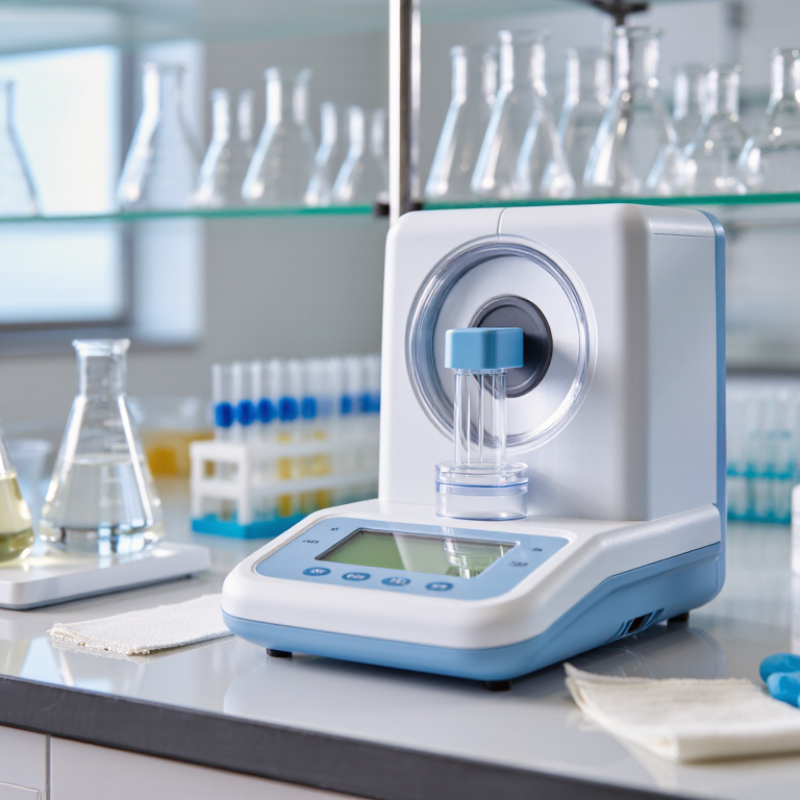
A water colorimeter does not detect chlorine by sight; it measures how much light a treated sample absorbs. In many common methods, a DPD reagent reacts with free chlorine and produces a pink color. The instrument shines a selected wavelength through the sample, then compares the result with a blank. Stronger color usually indicates more chlorine, within the method’s stated measuring range. Simple, but not foolproof.
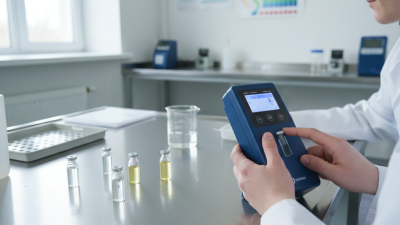
For free chlorine, add the specified reagent, mix gently, and read the cuvette after the stated reaction time. A separate total-chlorine procedure may use another reagent to reveal combined chlorine. Timing matters: waiting too long, using a cloudy vial, or leaving fingerprints on its clear sides can skew results. Bubbles can interfere too. Check calibration with suitable standards, and record the method and reaction time alongside each reading. Sample color, temperature, and interfering oxidants may also affect results. A reliable supplier should clearly state supported methods, measuring range, resolution, and verification options.
Key Features of a Reliable Chlorine Testing Colorimeter
A reliable chlorine-testing colorimeter should deliver stable readings, a suitable measurement range, and clear operating steps. WHO’s 2022 Guidelines for Drinking-water Quality state that effective disinfection generally requires at least 0.5 mg/L free chlorine after 30 minutes of contact at pH below 8. The guidance also identifies 0.2 mg/L as a minimum residual at the point of delivery. These values make low-range accuracy important for routine water checks. Small details matter.
Look for a model that supports reagent-based testing, consistent timing, and easy cleaning. EPA Method 330.5 describes a DPD colorimetric method covering 0.1–10 mg/L chlorine in water samples. That range can inform instrument selection, but users should confirm the device’s stated range and resolution match their expected samples. A blank measurement, clean cuvette, and regular calibration help reduce avoidable variation. Repeat the test. Bubbles, fingerprints, or delayed readings can distort results, even with a capable instrument. Field work is rarely perfect; recording sample time and conditions makes results easier to interpret later.
How to Evaluate Colorimeter Suppliers in China
When evaluating colorimeter suppliers in China, look beyond price and product photos. A chlorine colorimeter should state its measurement range, resolution, and compatible test method clearly. Check whether the supplier provides operating instructions, calibration guidance, and reagent handling details. Ask for a sample inspection report or a live demonstration using a known chlorine standard. Small details matter. Clear, consistent readings depend on both the instrument and the testing procedure.
Review quality records and support arrangements before placing an order. Ask how instruments are checked before shipment, what documents accompany each unit, and how the supplier handles faults or replacement parts. Confirm response times and whether technical help is available in your language and time zone. A polished specification sheet can still leave unanswered questions. I would compare the supplier’s answers against the actual testing conditions, such as water type, expected concentration, and how often measurements are taken. No checklist catches everything.
Tips: Request a written quotation that names the model, included accessories, warranty terms, and delivery estimate. Ask for a short video showing setup and a chlorine measurement. If an answer feels vague, ask again with a specific example.
How to Evaluate Colorimeter Suppliers in China
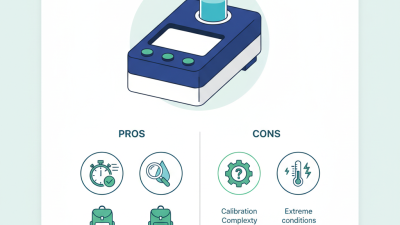
Suggested evaluation weighting for selecting a supplier of colorimeters used in chlorine testing.
These percentages are a practical purchasing framework, not market survey results. Verify performance claims with test data, calibration records, method compatibility, and service documentation.
Manufacturing Standards and Quality Checks to Verify
A reliable chlorine colorimeter supplier should explain how each unit is checked during production, not merely show a final inspection stamp. Ask for documented tests of wavelength accuracy, photometric response, and repeatability. These checks help confirm that readings remain consistent across instruments.
Small details matter.
Manufacturing records should connect each device to its calibration results and component batches. Request sample inspection reports, acceptance limits, and evidence that reference filters or standards are checked against traceable references. A practical test uses chlorine standards near the low, middle, and upper parts of the instrument’s stated range. The supplier should also verify blank readings and repeat measurements using the same cuvette. Scratches, fingerprints, or bubbles can affect results.
Quality checks should cover more than the optical system. Ask how the display, buttons, battery operation, and sample chamber are inspected, and whether units are tested after transport or temperature changes. Reagent compatibility matters too: instructions should identify suitable methods and handling conditions. I would still examine the raw records, not just a polished certificate. A checklist can miss real use. That is worth admitting. Look for clear corrective-action records when a test fails, plus consistent procedures across production lots.
Choosing a Supplier for Your Testing Requirements
A dependable chlorine colorimeter supplier should match the instrument to your actual samples, not just offer an impressive specification sheet. WHO’s Guidelines for Drinking-water Quality, fourth edition with addenda, state that free chlorine should remain at least 0.2 mg/L at delivery; they also describe 0.5 mg/L after 30 minutes of contact at pH below 8. These values help define useful measurement points. Ask whether the meter covers your working range, gives clear low-level readings, and includes a documented calibration process. Small details matter.
Check the basics. Request the stated accuracy, resolution, sample-cell dimensions, reagent shelf life, and instructions for checking results against a known standard. Ask how the supplier handles replacement parts, operator training, and service delays. A quick demonstration with your own water can reveal issues that a brochure misses, such as cloudy samples or awkward handling with gloves. Also confirm that consumables are consistently available. A low purchase price is less useful if routine testing stops while you wait for reagents. There is no perfect instrument for every site; even a capable supplier may not anticipate your sample conditions unless you describe them precisely. WHO guidance informs the target levels, but your testing plan should reflect local procedures and actual operating needs.