Top Portable Conductivity Meters for Water Quality Testing

Choosing a portable conductivity meter is not just a matter of comparing screen size and price. The right instrument helps field teams check water at a well, treatment outlet, or stream bank without carrying a bench setup. A stable reading can reveal changes in dissolved ionic content. It cannot explain their cause.

Water-quality educator Brian Oram explains the key limitation: conductivity indicates dissolved ions, but does not identify which ions are present. That distinction matters. A clear display is not a complete water-quality report. For this guide, we compare meters by measurement range, accuracy, temperature compensation, calibration options, probe design, and durability. A gloved hand, a damp field case, or a cold morning can expose small usability flaws quickly.

Calibration matters. So does maintenance. A meter that accepts common standards and makes probe care straightforward may serve better than a feature-heavy model. Check whether the instrument reports conductivity directly, or also displays a converted TDS value. That conversion is an estimate, not a universal truth. Some listings make the choice seem simpler than it is. It isn’t.

We also consider how easily readings can be recorded and repeated across sites. These practical details help distinguish useful field tools from attractive specifications. The comparisons ahead aim to support a better-informed choice, while recognizing that no single meter suits every water source or testing routine.
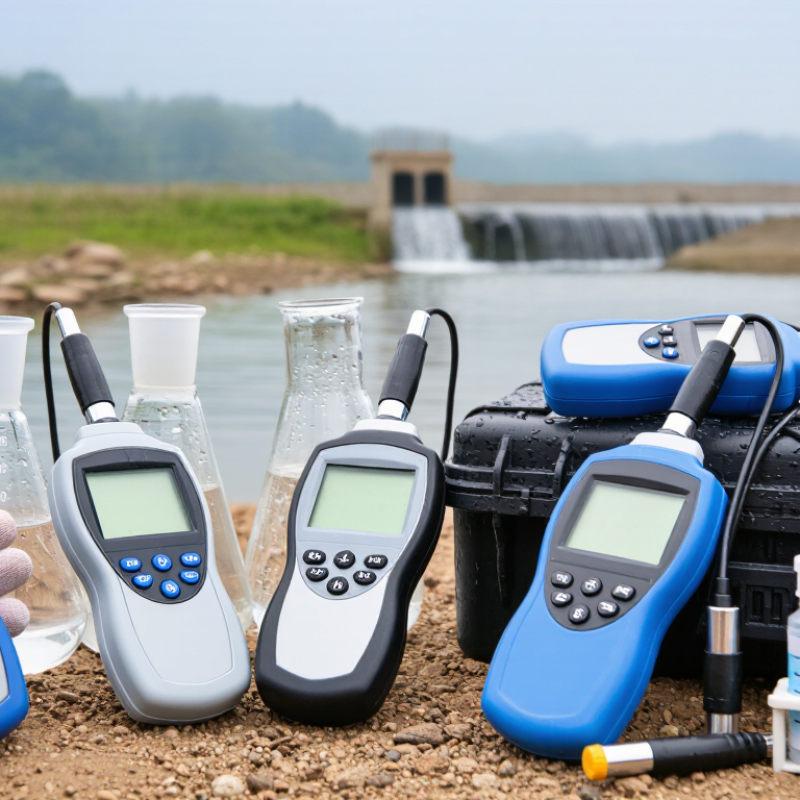
Top Portable Conductivity Meters for Water Quality Testing

Conductivity Basics: 1 mS/cm Equals 1,000 µS/cm

Conductivity shows how easily water carries an electrical current, often because of dissolved ions. Portable meters may display results in microsiemens per centimeter (µS/cm) or millisiemens per centimeter (mS/cm).

The conversion is simple:

1 mS/cm equals 1,000 µS/cm.

A reading of 0.65 mS/cm is therefore 650 µS/cm. Same measurement, different scale.

Check the unit before comparing results or recording them in a field log.

For example, a meter beside a stream might show 420 µS/cm, while another instrument displays 0.42 mS/cm. Neither value is automatically more accurate; confirm the instrument’s range and settings. Conductivity also changes with temperature, so note whether the meter applies temperature compensation.

Rinse the probe between samples, avoid touching its sensing surfaces, and wait for the reading to stabilize. Small steps matter. I have found that hurried sampling can leave bubbles or residue on a probe, which may make readings less dependable.

Tips:

Keep units consistent across your notes. Check calibration with a suitable conductivity standard, especially before important comparisons. Record the sample temperature and meter setting. If a result seems surprising, repeat the measurement; field conditions are not always tidy.
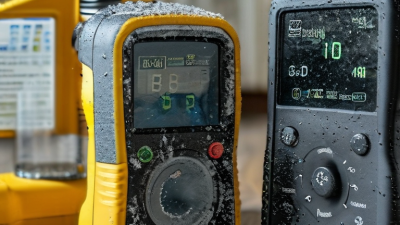
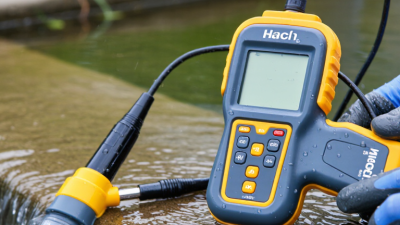
Water Quality Benchmark: EPA’s Secondary TDS Limit Is 500 mg/L

The 500 mg/L TDS benchmark is often used when discussing drinking water quality. It comes from the U.S. Environmental Protection Agency’s secondary drinking water standard, which addresses taste, deposits, and other aesthetic concerns. It is not a federal health-based limit, and it does not mean water below 500 mg/L is automatically safe. Other contaminants may be present without raising TDS.

A portable conductivity meter can help check changes in dissolved ions at a well, tap, or field site. Most meters measure electrical conductivity, then estimate TDS using a conversion factor. That estimate can vary because water with different mineral mixtures conducts electricity differently. A reading near 500 mg/L deserves context, not panic. Rinse the probe, use a suitable calibration solution, and allow the reading to stabilize. Temperature compensation helps, but it cannot fix every source of error. Compare repeat readings and note where and when each sample was collected. If results are unexpected, or water has a strong taste or visible deposits, confirm them with an appropriate laboratory test. A handheld meter is useful for screening, not a complete water-quality assessment.

Temperature Compensation: 25°C Is the Standard Reference

Top Portable Conductivity Meters for Water Quality Testing

Temperature Compensation: 25°C Is the Standard Reference

Conductivity changes as water warms or cools, so portable meters commonly report results adjusted to 25°C. This standard reference makes readings easier to compare across sampling days. A sample measured beside a cold stream may show a different raw value from the same water at room temperature. Automatic temperature compensation (ATC) estimates the effect and converts the result to the reference temperature. It improves consistency, but it does not make every water sample behave identically. Mineral content matters.

Tips: Check that the temperature sensor is immersed with the conductivity probe. Let the reading stabilize, rinse the probe between samples, and calibrate with a suitable standard. Record the sample temperature when results need to be reviewed later.

Treat compensated values as useful estimates, not unquestionable facts. The meter applies a temperature coefficient, and the default setting may not match a particular sample. Natural waters, process water, and solutions with different dissolved substances can respond differently to temperature. A rushed measurement can therefore look precise while hiding an assumption. When comparing results, use the same meter settings and sampling routine, and note whether the displayed value is temperature-compensated. If readings shift unexpectedly, check the probe, calibration, and temperature setting before deciding that water quality has changed.

Calibration Check: 1,413 µS/cm KCl Standard at 25°C

A portable conductivity meter is only useful when its readings can be trusted. A practical calibration check uses a certified 1,413 µS/cm potassium chloride standard specified at 25°C. Let the sealed standard reach room temperature before opening it. Pour a small amount into a clean cup; never dip a probe into the bottle. Rinse the sensor with distilled water, then gently blot it. Do not wipe the electrodes. Small details matter.

Immerse the probe until the sensing area is covered, remove trapped bubbles, and wait for the reading to settle. At 25°C, it should be close to 1,413 µS/cm, within the standard’s stated tolerance and the meter’s specified accuracy. Temperature compensation helps, but it does not excuse using a standard at an unknown temperature. If the result falls outside the acceptable range, check the sensor for residue, prepare a fresh aliquot, and repeat the test. Recalibrate only as directed by the meter’s instructions, then verify again with unused solution. A rushed rinse can carry tap water into the cup and shift the result. It is an easy mistake to overlook in the field. Record the temperature, displayed value, and date; those notes make later troubleshooting more reliable.

Comparing Portable Meters by Range, Accuracy, and Field Conditions

Portable conductivity meters are easiest to compare by the water they can measure, not by a single headline specification. A narrow range can offer finer resolution for low-conductivity samples, while a wider range suits streams, process water, or saline conditions. Check that the meter’s stated range covers both routine readings and likely spikes. Otherwise, useful samples may exceed its limits.

Accuracy matters, but read the conditions attached to the specification. A stated accuracy may assume a clean probe, fresh calibration standards, and a stable temperature. Temperature compensation helps compare readings, yet it cannot fix a dirty or poorly rinsed sensor. Small details count. Rinse between samples, and avoid touching the sensing surfaces with a cloth.

Field conditions can change the choice. A bright screen is easier to read beside a stream; a sealed housing helps when rain or splashes are likely. Probe design also affects how quickly readings settle, especially in shallow water or narrow sample cups. For reliable comparisons, calibrate near the expected measurement range and record the water temperature. I would not treat one stable number as proof of accuracy; repeating the reading can reveal drift, though it takes extra time.