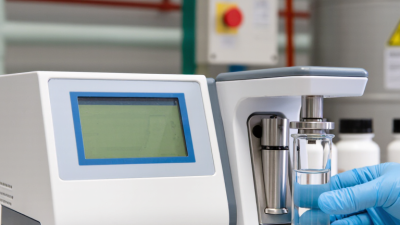
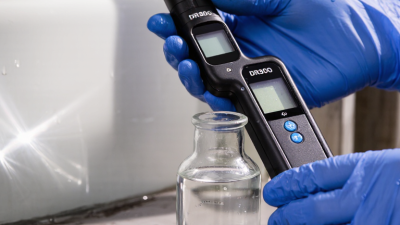
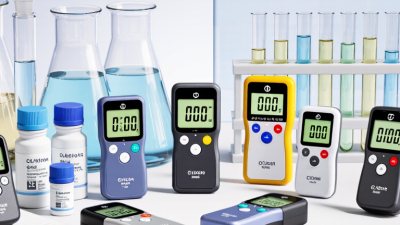
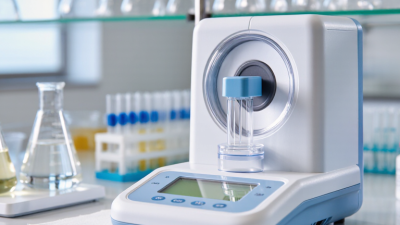
Choosing the 2026 best pocket colorimeter for chlorine testing is not just a matter of comparing screen size or price. A field instrument must give dependable readings when a poolside sample is warm, a treatment-room bench is wet, or a technician is working under time pressure. The key checks are measurement range, stated accuracy, reagent compatibility, calibration guidance, and how clearly the instrument handles results near its detection limit. Small details matter.
The World Health Organization’s Guidelines for Drinking-water Quality describe maintaining at least 0.5 mg/L free chlorine after 30 minutes of contact at pH below 8, and at least 0.2 mg/L at delivery. These are operational benchmarks, not a universal specification for every pool, process, or jurisdiction. The U.S. Environmental Protection Agency also publishes drinking-water regulations and monitoring guidance; users should consult the requirements that apply to their setting. A pocket colorimeter chlorine unit can support routine checks, but it does not replace correct sampling, fresh reagents, or documented procedures.
A useful expert voice belongs in this comparison, but an exact quotation should not be invented. Without a verifiable, attributable statement from a named chlorine-testing specialist, this introduction relies on published guidance rather than presenting a fabricated quote. That restraint is intentional. Even a capable meter can mislead when a vial has fingerprints, bubbles, or a mismatched reagent. The best choice is the model whose instructions, performance data, and service support can be checked before purchase.
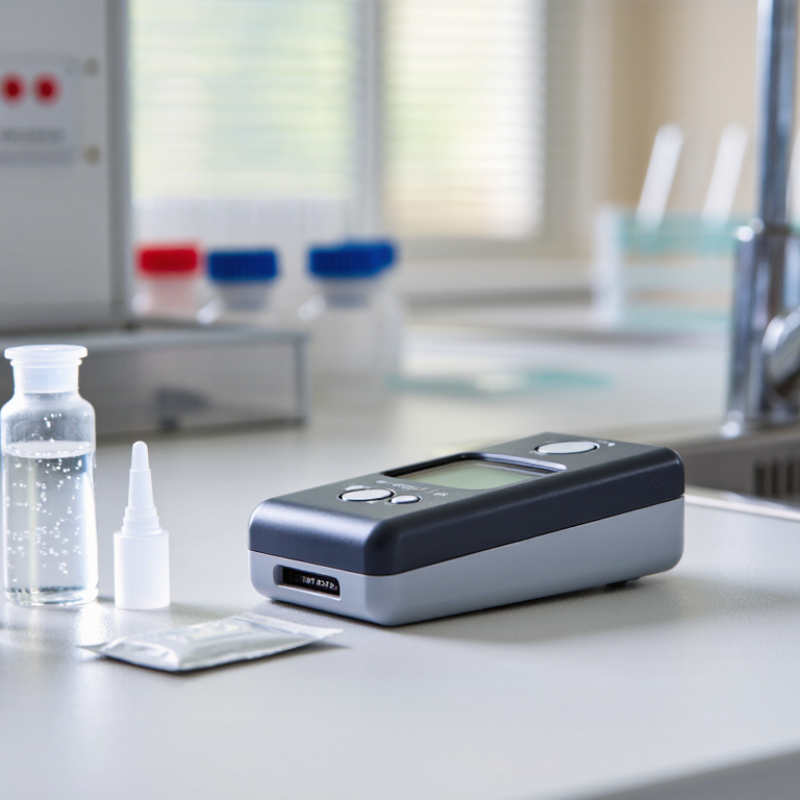
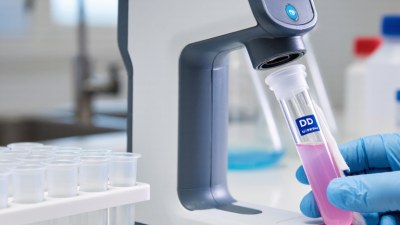
A pocket colorimeter estimates chlorine by measuring how much light a treated water sample absorbs. In a common DPD test, a reagent reacts with free chlorine and produces a pink color. The instrument compares the sample’s light response with a blank or calibration reference, then displays a concentration, usually in milligrams per liter. Small details matter: wipe fingerprints from the vial, remove bubbles, and keep the same orientation for each reading. It is a simple method, but not magic. Turbidity, colored water, dirty glassware, and expired reagents can distort results.
The World Health Organization’s Guidelines for Drinking-water Quality describe maintaining a free chlorine residual through distribution; they cite 0.2 mg/L as a minimum at delivery in many circumstances. The guidance also discusses at least 0.5 mg/L after 30 minutes of contact when pH is below 8. These are operational reference points, not universal targets for every water system. Test promptly, because chlorine can decline during storage, and record whether the result is free or total chlorine. One reading can mislead. Repeat the test if the vial looks cloudy, the result seems unexpected, or field conditions changed. A pocket meter supports monitoring; it does not replace sound sampling or a documented testing procedure.
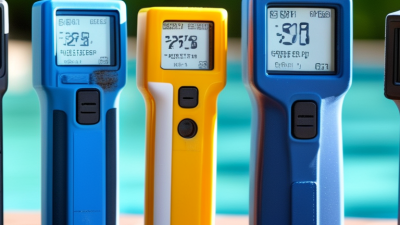
Choosing the best pocket colorimeter for chlorine testing starts with the measurement task, not the product shape. Confirm whether you need free chlorine, total chlorine, or both. A useful instrument should offer a suitable range, clear resolution, and repeatable readings near your normal operating level. A wide range can sound impressive, but it may reduce sensitivity where small changes matter.
Reagent handling deserves close attention. Look for sealed, clearly dated reagents, simple dosing, and a consistent sample volume. In practice, fingerprints on the vial, bubbles, and cloudy water can distort results. A backlit display helps in plant rooms, while waterproof construction protects the meter from splashes. Good models also record results, show low-battery warnings, and support routine calibration checks. Fast results matter, but speed should not replace careful mixing and reaction time.
Test the meter with your own workflow before making a final decision. Check how easily the vial fits, how long the reading takes, and whether staff can repeat the procedure without coaching. Keep a control sample or compare occasional readings with a verified laboratory method. No pocket instrument is perfect. Temperature, expired reagents, and poor cleaning can still create errors. The best choice is the one that remains dependable when gloves are wet, lighting is poor, and several samples wait beside the sink.
Pocket colorimeters generally fall into single-parameter and multiparameter types. A single-parameter meter focuses on chlorine, often offering separate free- and total-chlorine tests. It suits routine checks at a pool, treatment room, or sampling station. Multiparameter models can test chlorine alongside measures such as pH, which is useful when one visit requires several readings. Small differences matter.
Many meters use DPD reagents: add a measured tablet or liquid, mix, then place the colored sample in the instrument. EPA Method 330.5 describes a DPD colorimetric method with a stated range of 0.1–5.0 mg/L. That range covers many practical checks, but a sample outside it may need dilution or a different range. Follow the meter’s instructions.
For drinking-water disinfection, the World Health Organization’s 2022 Guidelines describe at least 0.5 mg/L free chlorine after 30 minutes of contact at pH below 8, with at least 0.2 mg/L at delivery. These figures are context, not universal operating targets. Match the meter’s range to the expected residual, and check its calibration and reagent expiry. A tidy screen can still hide a poor sample. I would record temperature, sampling time, and any unusual color or turbidity; field conditions are easy to overlook.
| Type | What It Measures | Common Method | Typical Uses | Important Considerations |
|---|---|---|---|---|
| Free chlorine colorimeter | Free available chlorine, usually reported as mg/L (ppm) as Cl2. | DPD color development followed by photometric measurement. | Routine checks of drinking water, pools, spas, and treated process water. | Check the instrument and reagent instructions for the measurement range, sample volume, and reading time. Very high chlorine levels can bleach the color and give misleading results. |
| Total chlorine colorimeter | Total chlorine, including free and combined chlorine, reported as mg/L as Cl2. | DPD method with a reagent step that measures total chlorine. | Water treatment monitoring and checks where combined chlorine or chloramine may be present. | Use the total-chlorine reagent procedure specified for the instrument; it may differ from the free-chlorine test procedure. |
| Combined chlorine calculation | Combined chlorine, estimated by subtracting free chlorine from total chlorine. | Calculate: total chlorine − free chlorine, using results from compatible tests. | Pool and spa water checks, especially when evaluating chloramine formation. | Both readings should use the same units and compatible methods. Small differences may be affected by test precision. |
| Low-range chlorine colorimeter | Low chlorine concentrations within the instrument’s specified range. | Photometric measurement using a chlorine-sensitive reagent, commonly DPD. | Low-level residual checks in treated water, distribution systems, and laboratory field sampling. | Suitable range and detection limit vary by model and method. Clean cells, consistent timing, and reagent handling are particularly important at low concentrations. |
| High-range chlorine colorimeter | Chlorine concentrations above the working range of many routine residual tests. | A high-range method, or a validated dilution followed by a compatible colorimetric test. | Concentrated disinfectant solutions and process samples with elevated chlorine levels. | Confirm that the method is designed for the expected concentration. Do not assume a low-range DPD test remains accurate at high levels. |
| Multi-parameter pocket colorimeter | Chlorine and other water-quality parameters, depending on the instrument and available methods. | Parameter-specific reagent and photometric method. | Field teams that need to test several water-quality indicators with one portable instrument. | Verify that the specific instrument supports the chlorine species and range required. Other parameter capabilities do not guarantee chlorine compatibility. |
Selection tip: Choose a pocket colorimeter based on the chlorine species to be measured (free or total), the expected concentration range, the approved test method, and field requirements such as portability and reagent availability. Measurement ranges and performance are instrument- and method-specific.
How to Test Chlorine with a Pocket Colorimeter
A pocket colorimeter can turn a clear water sample into a readable chlorine result within minutes. In field testing, I rinse the vial with sample water, fill it to the marked line, and wipe the outside carefully. Fingerprints can affect light readings. I then insert the vial and zero the instrument before adding the reagent. Timing matters. Read the result only after the stated reaction period.
Test free chlorine and total chlorine separately when possible. They answer different questions. Free chlorine shows the disinfectant still available in the water. Total chlorine also includes combined chlorine compounds. The World Health Organization’s Guidelines for Drinking-water Quality identifies 0.2 mg/L as a useful minimum residual at the point of delivery, while 0.5 mg/L after 30 minutes can support effective disinfection under suitable pH conditions. Local requirements may differ.
The U.S. Environmental Protection Agency’s Method 334.0 emphasizes checking disinfectant residuals in the distribution system, not only at the treatment plant. Record the sample location, time, temperature, pH, and result. Keep the reagent dry and check its expiry date. Small mistakes happen. I once treated an unusually high reading as a contamination event, but the real cause was a poorly rinsed vial. Repeat questionable results with a fresh sample, and clean the optical chamber regularly.
How to Test Chlorine with a Pocket Colorimeter
How to read the result: Measure free chlorine in a water sample with a pocket colorimeter and compare the displayed value with the appropriate reference benchmark. Typical guidance is about 0.2 mg/L at the point of delivery for drinking water, at least 1.0 mg/L for swimming pools, at least 3.0 mg/L for hot tubs, and no more than 4.0 mg/L as the drinking-water maximum residual disinfectant level.
2026 Best Pocket Colorimeter for Chlorine Testing?
Factors That Affect Chlorine Test Accuracy
A pocket colorimeter can give quick, useful chlorine readings, but the instrument is only part of the measurement. Sampling matters. Collect water in a clean container, away from the surface or pool returns, and test promptly. Sunlight, heat, and delays can change chlorine levels before the reading is taken. A small sample-handling mistake can create a result that looks precise but does not represent the water.
Reagent condition and correct dosing also affect accuracy. Check the expiry date, store reagents as directed, and avoid touching tablets or powder with wet fingers. Use the specified sample volume, mix gently, and observe the stated reaction time. Too little mixing or reading too early may produce inconsistent color development. Keep the vial clean and dry outside; fingerprints, droplets, or scratches can interfere with light measurement. High chlorine concentrations may exceed a meter’s range, so follow its instructions for dilution or retesting. Even careful users can miss a step.
Tips: Rinse the vial with sample water before testing, then fill to the marked line. Test duplicates when results seem unexpected. Record the time, water temperature, and whether you measured free or total chlorine; those details help explain changes later. Don’t rely on one number alone.