China Top 10 Hach Chlorine Colorimeter Suppliers

China’s Top 10 Hach Chlorine Colorimeter Suppliers

Choosing a Hach chlorine colorimeter supplier takes more than comparing prices. Buyers should check instrument availability, reagent supply, calibration support, and response times. A meter may look simple on a catalog page. In daily use, however, clear instructions and dependable service matter just as much. Small details count.

Clifford Hach, founder of Hach Company, is an important figure in the history of water testing. No verified quotation from him about chlorine colorimeters is available here, so this guide will not present invented words as his. A practical editorial principle instead is: “Trust a measurement only when the method, reagents, and instrument are understood.” It is a useful reminder, not a historical quotation. Colorimetric results depend on correct sample handling, fresh reagents, and consistent timing. Even a clean display cannot compensate for a poorly collected sample.

This supplier overview compares China-based companies offering Hach chlorine colorimeter products or related support. It considers product information, technical assistance, delivery, and clarity about compatibility. Supplier claims should still be checked against current manufacturer documentation. That extra check takes time. It can also prevent avoidable purchasing mistakes. The list is a starting point, not a substitute for evaluating your own testing needs.

China Top 10 Hach Chlorine Colorimeter Suppliers

Chlorine Colorimeter Basics: How Hach DPD Tests Measure Free and Total Chlorine

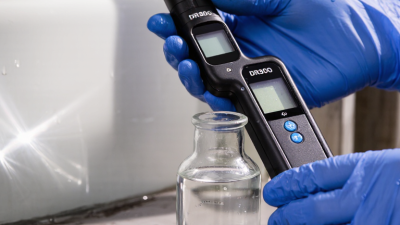
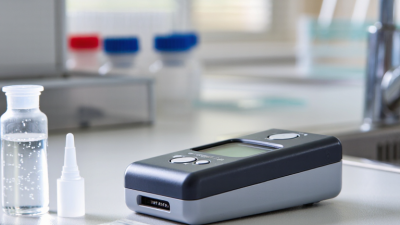
A chlorine colorimeter turns a color reaction into a concentration reading. In a DPD test, a measured reagent reacts with chlorine in the water sample. Free chlorine creates a pink-to-red color, and the instrument estimates its concentration by measuring how much light the sample absorbs. Use a clean vial, wipe its outside, and check for bubbles before reading. Timing matters. Color may change if the sample sits too long, so follow the method’s specified reading window. In practice, this step is easy to rush.

The free-chlorine reading is taken before the total-chlorine test. For total chlorine, an additional reagent helps chloramines react through the DPD chemistry, so the result includes both free and combined chlorine. Subtracting the free reading from the total gives an estimate of combined chlorine. A neat display can still hide a poor sample. Cloudiness, dirty glass, unusual water color, or incorrect reagent amounts may affect the result. Record the test time and check that the method suits the expected concentration range. If a reading seems surprising, repeat the test with a fresh sample rather than trusting the number alone.
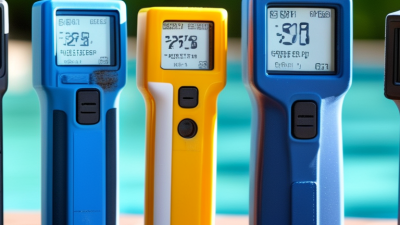
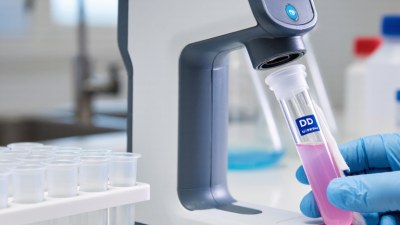
Key Specifications: Compare Measurement Range, Resolution, Accuracy, and Test Time

When comparing suppliers of chlorine colorimeters, look beyond the headline measurement range. Check whether the stated range applies to free chlorine, total chlorine, or both, and confirm the units, commonly mg/L as Cl₂. A meter covering 0.00–5.00 mg/L may suit routine treated-water checks, but it may not fit every sample. Numbers need context.

Resolution tells you the smallest displayed increment, not necessarily the smallest reliable change. A display reading to 0.01 mg/L can look precise, yet accuracy limits and method conditions matter more. Compare accuracy in the same terms across supplier datasheets, such as an absolute tolerance or a percentage of reading. Check whether specifications apply across the full range, and ask how calibration and temperature affect results. I sometimes overlook that last detail.

Test time should include more than the instrument’s reading. Reagent mixing, color development, sample handling, and any required waiting period all affect field workflow. Ask suppliers for the full procedure time and whether consumables are included. A quick result is useful, but only if operators can repeat it consistently. Try the method with your actual sample water before deciding; turbidity or unusual color can complicate readings. Supplier specifications help narrow choices, though they do not replace a practical trial.

China Drinking-Water Benchmark: GB 5749-2022 Sets Tap-Water Free Chlorine at 0.05–2.0 mg/L

GB 5749-2022 sets the residual free chlorine range for tap water at 0.05–2.0 mg/L. This is a broad compliance range, not a single operating target for every supply system. For a water-quality team, the lower end matters: a small reading near 0.05 mg/L can be affected by sampling delay, dirty glassware, or poor handling. Chlorine can fade after collection. Test promptly.

A suitable chlorine colorimeter should cover the expected range and provide clear, repeatable readings near its lower limit. Check the instrument’s stated method, resolution, and calibration requirements before choosing a model. Use fresh reagents, clean the cuvette, and remove fingerprints or bubbles before measurement. Small details count. A result alone does not prove compliance; sampling location and procedure also matter. Supplier comparisons are more useful when they include method documentation, maintenance support, and realistic performance data. I would not treat a displayed number as perfect—field conditions are rarely perfect, either.

China’s Top 10 Hach Chlorine Colorimeter Suppliers: Compare Authorization and Product Availability

When comparing ten China-based suppliers of chlorine colorimeters, treat authorization and availability as separate checks. A reseller may list a product without holding current authorization. Ask for a dated authorization document covering the exact instrument model and sales territory. Verify it through the manufacturer’s official contact channel, not only a screenshot. Details matter.

Check whether the unit is physically in stock or must be sourced after payment. Request the model number, configuration, included cuvettes, reagents, and expected dispatch date in writing. A product page can look convincing while showing outdated stock. I would still double-check.

Compare what happens after delivery, too. Ask whether the supplier can provide calibration records, operating instructions, replacement parts, and technical support in your region. Confirm the warranty period and who handles service; vague answers can create delays later. For buyers with a tight testing schedule, request a realistic shipping estimate and confirm packaging protects the instrument from moisture and impact. Keep the quotation and written availability confirmation together. A low price is useful, but only when the product, authorization, and support are clearly documented.

China Top 10 Hach Chlorine Colorimeter Suppliers

Authorization and Product Availability: Evidence Coverage

No supplier-specific source material was provided, so no authorization documents, product listings, stock status, or delivery information could be verified. Zero means “no verified records available here,” not that suppliers lack authorization or products.

Supplier Evaluation: Check Calibration, After-Sales Service, and Delivery for Water Testing Needs

When comparing suppliers of chlorine colorimeters, look beyond the quoted price. Ask how instruments are calibrated and whether each unit includes a dated calibration record. The record should identify the measurement range, reference method, and person responsible. For routine water testing, check that the device suits your expected chlorine range and sample conditions. Ask whether calibration can be verified with standards at your site. Small details matter. If a supplier only says “factory calibrated,” ask what that means in practice. A clear answer is more useful than a polished brochure.

After-sales support can affect test consistency. Confirm whether technicians can help troubleshoot unstable readings, replace consumables, or arrange recalibration. Ask for typical response times and written warranty terms, not just verbal promises. Delivery needs equal attention. Request a realistic lead time, packaging details, and confirmation that the instrument and accessories ship together. If testing schedules are tight, ask what happens when a shipment is delayed. It happens. Keep the supplier’s replies and calibration documents with your equipment records. One point is easy to miss: support quality may vary by region, so verify who will assist at your actual testing location.